Education
Create safer learning environments with guidance on spray painting and powder coating risks in vocational training programs. Learn best practices, ventilation and compliance requirements, and how RTT Finishing Solutions supports safe, hands-on educational spaces.
Spray Painting and Powder Coating in Vocational Education
Every experienced automotive refinishing technician, industrial painter, cabinet finisher, or powder coating operator learned somewhere. For many, that somewhere was a high school auto body program, a community college career-technical department, a trade school finishing lab, or an apprenticeship training center. Vocational education in spray painting and surface finishing is the pipeline through which the next generation of coating professionals enters the industry — and it is also, when its unique risks are not properly understood and managed, an environment where young people and their instructors can be exposed to some of the most serious occupational respiratory and chemical hazards in any trade.
The vocational finishing environment shares the same fundamental chemistry as the industrial finishing environments explored elsewhere in this series. The isocyanates in two-component polyurethane clearcoats are equally capable of causing permanent respiratory sensitization whether they are sprayed in a professional body shop or a high school auto technology program. The formaldehyde released by catalyzed wood finishes carries the same carcinogenic designation in a community college cabinet-making lab as in a production furniture facility. Wood dust from the hardwoods shaped in vocational woodworking programs presents the same sinonasal cancer risk as dust in commercial furniture manufacturing operations.
What changes in the vocational setting is the population at risk, the institutional context, and the specific regulatory and ethical obligations that follow. Students — including minors in secondary programs — are not experienced workers who have evaluated and accepted occupational risk as a condition of employment. They are learners, present in a training environment under institutional authority, often without meaningful prior knowledge of the chemical hazards they are being asked to work with. Their instructors carry a dual duty: to teach finishing skills effectively, and to model and enforce the safety practices that will protect their students and, eventually, those students in their professional careers.
This article examines spray painting and powder coating processes as they are taught and practiced in vocational education settings, the ventilation and containment systems appropriate to educational finishing environments, the health hazards that must be managed for both students and instructors, and the regulatory and institutional compliance framework that governs educational spray finishing operations.
The Vocational Finishing Environment: Education Meets Industry Hazard
Vocational finishing programs sit at an unusual intersection. They are educational environments governed by school boards, community college administrations, and state departments of education. They are also workplaces governed, to varying degrees, by OSHA, the EPA, and state environmental agencies. They serve student populations that may include sixteen-year-olds working alongside thirty-five-year-old career changers. They operate with equipment, materials, and processes drawn directly from the industries they train students to enter — which means that the hazard profile of their workshops is substantially the same as that of professional finishing operations, without necessarily having the institutional infrastructure of dedicated occupational health staff, industrial hygienists, or established safety management systems that professional facilities of comparable hazard level typically maintain.
The gap between the hazard level and the safety management infrastructure is the central challenge of vocational finishing education. A well-equipped high school auto body program may have a spray booth, air compressors, HVLP spray guns, and a supply of two-component clearcoats that would be entirely at home in a professional collision repair center. What it typically does not have is an industrial hygienist monitoring isocyanate concentrations, a full-time safety officer managing the respiratory protection program, or a medical surveillance program for workers with isocyanate exposure. The burden of managing these hazards falls predominantly on the program instructor — a role that combines the demands of educator, shop supervisor, safety manager, and technical trainer in a single position that is rarely resourced with the time, training, or institutional support those combined responsibilities require.
The consequences of this gap are real. Occupational asthma from isocyanate sensitization has been documented in vocational auto body students and instructors. Wood dust-related respiratory disease has been reported in woodworking program instructors with long tenures of classroom exposure. Solvent vapor exposures in poorly ventilated finishing labs have caused acute symptoms in students that, while usually transient, are signals of underlying exposure control failures. The challenge is not that vocational finishing programs are inherently unsafe — they can be operated very safely with the right combination of engineering controls, materials selection, and safety education — but that achieving that level of safety requires deliberate design and sustained management that is not universal across the sector.
Types of Vocational Finishing Programs
Automotive Collision Repair and Refinishing
Automotive collision repair and refinishing is the highest-enrollment vocational finishing program category in the United States and in many other countries. Offered at both the secondary level through career and technical education (CTE) programs and at the post-secondary level through community colleges, proprietary trade schools, and manufacturer-sponsored training academies, automotive refinishing programs teach body panel repair, surface preparation, spray gun technique, color mixing, and multi-coat finish application using materials and processes directly representative of professional collision repair practice.
The finish chemistry used in automotive refinishing programs mirrors that of the professional industry: waterborne basecoats, two-component polyurethane clearcoats, two-component epoxy primers, and various sealer and primer surfacer materials. The isocyanate content of the clearcoat and some primer systems is the dominant acute respiratory hazard, and the solvent content of waterborne basecoat activators, reducers, and cleaning materials contributes significant vapor exposure during mixing and application operations. Programs affiliated with I-CAR (Inter-Industry Conference on Auto Collision Repair) or certified by manufacturer training programs are expected to follow the safety practices those organizations specify, including the use of supplied-air respirators for clearcoat application — a requirement that not all programs consistently enforce in practice.
Industrial Painting and Coating Technology
Industrial painting and coating programs — offered primarily at the post-secondary level through community colleges and technical institutes — train students for careers in industrial maintenance painting, protective coatings application, and commercial spray finishing. These programs teach a broader range of coating systems than automotive refinishing programs, including epoxy and polyurethane industrial coatings, zinc-rich primers, intumescent fireproofing, and specialty coatings used in the manufacturing, infrastructure, and marine sectors. Surface preparation by abrasive blasting is commonly taught, adding abrasive dust and surface contaminant exposure to the hazard profile alongside the coating application chemistry.
Industrial painting programs often have closer institutional relationships with industry training organizations — such as SSPC (the Society for Protective Coatings) and NACE International (now unified as AMPP, the Association for Materials Protection and Performance) — that provide curriculum standards and certification pathways. These industry relationships can bring more rigorous safety standards into the educational environment than programs operating without such affiliations, though the quality of implementation still depends heavily on individual instructor commitment and institutional resource allocation.
Cabinet Making, Woodworking, and Furniture Design
Cabinet making and woodworking programs teach wood joinery, furniture construction, and surface finishing as an integrated curriculum. The finishing component of these programs introduces students to a range of wood finish systems — stains, sealers, lacquers, conversion varnishes, waterborne topcoats, and in some programs UV-cure coatings — alongside the spray application and hand application skills needed to use them. The substrate-side hazard in these programs — wood dust from machining, shaping, routing, and sanding operations — is as significant as the finish chemical hazard, and often more persistent, because wood dust exposure occurs throughout the program rather than only during finishing operations.
Community college woodworking and cabinetry programs serving adult students often have better ventilation infrastructure and more experienced safety management than secondary-level programs, in part because adult vocational programs are more consistently classified as workplaces subject to OSHA regulation. Secondary-level woodworking programs may be governed by state education department safety standards that differ from OSHA in scope and enforcement, creating regulatory ambiguity that can leave significant exposure management gaps.
Powder Coating Technology Programs
Dedicated powder coating technology programs are less common than automotive refinishing or woodworking programs but are offered by some community colleges and technical institutes, often in conjunction with metal fabrication or welding curricula. These programs teach electrostatic powder application, cure oven operation, substrate pretreatment, color change procedures, and quality inspection — the core skills of production powder coating operations. Powder coating programs offer a somewhat more accessible entry point for institutions building vocational finishing capacity, because the absence of flammable solvents in most powder coating operations simplifies fire safety management relative to solvent-borne liquid finishing programs, and the VOC-free character of powder application eliminates many of the air quality compliance challenges of liquid coating programs.
Some automotive refinishing programs incorporate powder coating as a supplementary module, recognizing that powder coating of wheels, frames, and components has become a service offered by many collision repair and custom fabrication shops. This integration introduces students to both liquid and powder finishing processes within a single program.
Apprenticeship and Employer-Sponsored Training
Registered apprenticeship programs in painting and coating trades — administered through the U.S. Department of Labor’s Office of Apprenticeship and equivalent bodies in other countries — provide structured on-the-job training combined with related technical instruction. Apprenticeship programs are true workplaces, and apprentices are employees subject to the full protections of OSHA and other employment law. The training component of apprenticeship programs may take place in dedicated training centers operated by employer associations or union training trusts, or in the regular workplace alongside journeyman workers.
Employer-sponsored training programs — run by vehicle manufacturers, paint manufacturers, or industry organizations to train technicians in specific products or processes — similarly take place in training environments that, while educational in purpose, are operated by commercial entities with the infrastructure and regulatory obligations of professional workplaces. These environments typically have better safety management resources than public educational institutions, but their training curricula sometimes underemphasize long-term health hazards in favor of product application technique, particularly in programs sponsored by coating manufacturers with commercial interests in promoting product use.
Spray Finishing and Powder Coating Processes Taught in Vocational Settings
Spray Gun Operation and Technique
The foundation of any spray finishing curriculum is spray gun technique — how to hold the gun, set the pattern width and fluid volume, maintain correct distance from the surface, overlap passes consistently, and move at a speed that deposits the correct film build without runs or dry spray. This foundational skill is taught with all common spray equipment types: HVLP guns for detailed and finish work, conventional air spray for specific applications, and in some programs basic airless spray operation for primer and industrial coating applications.
Teaching spray technique inherently involves practice spraying, and practice spraying generates aerosol and overspray that must be contained and exhausted. Instructors who allow students to practice spray technique outside of a functioning spray booth — even with water-based practice materials — are establishing habits and modeling practices that students may carry into professional environments where the consequences of spraying without containment involve genuinely hazardous materials. The habits of finishing safety begin with the habits of spray technique instruction, and programs that integrate booth use into every spray exercise from the first day of instruction are building safety culture from the ground up.
Multi-Coat Automotive Refinishing Systems
Automotive refinishing programs teach the complete multi-coat refinishing system used in professional collision repair: substrate preparation by sanding and scuffing, application of two-component epoxy or urethane primer, primer surfacer application and block sanding, basecoat application, and two-component clearcoat application. Each stage of this system has its own hazard profile, and the cumulative chemical exposure across a complete refinishing cycle — from solvent wipe-down through primer spray to clearcoat application — involves a succession of different materials with different vapor profiles, aerosol compositions, and inhalation hazard levels.
The clearcoat application stage represents the highest-risk phase of automotive refinishing from a respiratory hazard perspective, because it involves spray application of isocyanate-containing two-component polyurethane in a confined booth environment. Students in automotive refinishing programs must apply clearcoat as a core curriculum element — there is no meaningful automotive refinishing education that omits this stage — which means that isocyanate exposure management is not optional but is instead a non-negotiable safety requirement of every automotive refinishing program. The alternative is not to avoid the hazard but to control it adequately.
Color Mixing and Tinting
Color matching and mixing is a significant component of automotive refinishing curricula and involves handling concentrated tinting pigments, measuring and combining basecoat tinting bases, and using computerized color-matching systems to identify and reproduce factory vehicle colors. While color mixing generates less airborne aerosol than spray application, it involves repeated handling of solvent-containing pigment bases and activators that carry dermal and low-level inhalation exposure risks, particularly in mixing rooms or mixing areas with limited dedicated ventilation.
The solvents present in automotive tinting bases and reducers include acetates, ketones, and aromatic hydrocarbons that generate vapor in mixing rooms that may not be as well ventilated as spray booths. Vocational programs with separate color mixing areas should ensure that those areas have adequate ventilation for the volume and type of solvent-containing materials handled in them — the assumption that “mixing room” activities are too brief and low-volume to require serious ventilation is not always justified in programs with high student throughput and continuous mixing activity during lab sessions.
Powder Coating Application and Cure
Powder coating modules in vocational programs teach electrostatic powder gun operation, substrate preparation and grounding, powder application technique for uniform coverage, cure oven loading and temperature cycle management, and finished part inspection. Students learn the complete powder coating cycle and develop practical skills in achieving consistent film build and surface quality across simple geometric parts — steel plates, brackets, automotive wheels, and hardware components are common practice substrates.
Color change procedures — cleaning the spray gun, purging residual powder from the feed hopper, and removing contaminating powder from the booth before switching to a new color — are an important curriculum element that also represents a significant dust exposure event. Color change in a powder coating booth releases accumulated powder from filter media, booth walls, and gun components, and the manual cleaning operations involved generate higher airborne powder concentrations than normal application operations. Students performing color change operations require appropriate respiratory protection — at minimum, a properly fitted N95 respirator, and for programs with high color change frequency, a supplied-air or powered air-purifying respirator may be warranted.
Surface Preparation: Sanding, Blasting, and Chemical Treatment
Surface preparation is taught in both automotive refinishing and industrial painting programs as a foundational prerequisite for any coating application. In automotive programs, wet and dry sanding of primer and existing finish, and scuffing of surfaces for adhesion promotion, are core skills. In industrial painting programs, abrasive blasting to specified cleanliness and profile standards is often taught, with significant implications for abrasive dust inhalation and, where existing coating is being removed, exposure to contaminants in the removed coating material.
The surface preparation phase of vocational finishing programs is sometimes underemphasized in hazard management relative to the spray application phase, because the aerosol visibility of sanding dust and blast media is lower than spray mist and the immediate chemical impact is less dramatically obvious. But sanding and blasting operations generate respirable particulate from both the abrasive media and the substrate material being abraded, and the cumulative dust exposure from sanding operations across a full academic year can be substantial for students who sand multiple panels per week throughout a program. Dust collection at sanding stations, vacuum-backed sanding pads, and respiratory protection for sanding operations are as important as spray booth ventilation for managing student exposure in finishing programs.
Containing Fumes and Airborne Pollutants in Educational Finishing Facilities
Spray Booth Requirements for Educational Programs
Educational spray finishing facilities require the same fundamental ventilation infrastructure as professional finishing operations — because the chemical hazards generated are identical. A properly designed and maintained spray booth is not optional equipment for a vocational program teaching spray application of solvent-borne or isocyanate-containing coatings; it is the primary engineering control without which those finishing materials cannot be used safely. Programs that teach spray finishing without a functional, code-compliant spray booth are exposing students and instructors to hazards that cannot be adequately managed by respiratory protection alone, and are simultaneously teaching students that spraying without proper containment is acceptable practice they will carry into their professional careers.
For automotive refinishing programs, the spray booth requirements are defined by the same standards that govern professional collision repair facilities: NFPA 33 for booth construction, electrical classification, and minimum ventilation rates; state fire code requirements; and local authority having jurisdiction (AHJ) requirements that may impose additional specifications. Educational booths must meet these standards regardless of the educational context in which they are installed. A high school auto body program that argues it is exempt from spray booth requirements because it is an educational facility rather than a commercial operation is incorrect — the fire and explosion hazards of flammable coating materials are not diminished by the educational purpose of the facility, and the life safety and property protection rationale for NFPA 33 applies equally.
Booth sizing for educational programs requires consideration of the pedagogical workflow in addition to the production workflow parameters that drive commercial booth sizing. Educational spray booths must accommodate both the student performing the spray operation and, frequently, the instructor observing and coaching from within or adjacent to the booth. This means that the air volume balance calculations for educational booths must account for two occupants rather than one, and the face velocity and exhaust capacity of the booth must be adequate to protect both student and instructor from aerosol and vapor exposure during instruction periods when both are in proximity to active spray operations.
Downdraft and Crossflow Booths in Educational Settings
Downdraft spray booths — in which supply air enters through ceiling plenums and exits through floor-level exhaust grates — are the preferred configuration for educational automotive refinishing facilities where the budget permits their installation. Downdraft airflow carries overspray downward and away from the breathing zones of both the student sprayer and any observer, providing the best available airflow-based protection for both participants in an instructional spray session. The additional capital cost of a downdraft booth compared to a crossflow design is justifiable in an educational context where instructor-student proximity during spray operations is inherent to the instructional model.
Crossflow booths — in which air enters through a filtered back wall and exhausts through the front — are more common in educational programs because of their lower installation cost and simpler structural requirements. They are adequate for educational use when properly sized and maintained, but require greater attention to instructor positioning during spray instruction to ensure that the instructor is not positioned between the spray source and the exhaust wall in a way that places them in the highest-concentration zone of the overspray plume.
Portable spray enclosures and filter-wall spray stations are sometimes used in educational programs for small-scale finishing demonstrations and student practice with low-hazard materials. While these partial enclosures provide meaningful reduction in overspray dispersion compared to open-area spraying, they do not provide the face velocity, exhaust capacity, or electrical classification of a code-compliant spray booth and should not be used for spray application of flammable or isocyanate-containing materials. Their appropriate educational use is limited to demonstrations with water-based practice materials or aerosol cans used outside the normal solvent spray context.
Ventilation for Woodworking and Cabinet Programs
Vocational woodworking programs require integrated ventilation addressing both the wood dust generated during machining operations and the solvent vapors generated during finishing operations. These two hazard categories have different ventilation requirements and are best addressed by separate, dedicated systems: a central dust collection system for machining and sanding operations, and a spray booth with appropriate VOC-capable exhaust for finishing operations. Programs that attempt to manage both hazard categories with a single general ventilation system are unlikely to achieve adequate control of either.
The spray finishing area of a vocational woodworking program should be physically separated from the machining area, both to prevent wood dust from contaminating the finishing environment (where it would represent a fire hazard and a finish quality problem) and to allow separate ventilation systems for each area to operate at their respective design parameters. A common layout failure in vocational woodworking shops is the provision of a finishing corner or finishing room that shares general exhaust with the machining area, resulting in inadequate face velocity at the spray application point and potential recirculation of machining dust through the finishing area.
Filter Maintenance and Performance Verification
Spray booth filter maintenance in educational facilities presents specific management challenges that differ from those in professional operations. In a commercial finishing operation, filter change intervals and booth maintenance are driven by production volume and managed as part of continuous operations. In an educational program, production volume varies with the academic calendar — high during active lab sessions, zero during school breaks — and booth maintenance may be deferred during periods of low use or assigned to students as a training exercise without consistent verification that the result meets performance specifications.
Educational program administrators should establish filter change schedules based on measured pressure differential across the exhaust filter bank rather than on calendar schedules or academic term boundaries alone. A simple manometer or magnehelic gauge installed across the exhaust filter bank provides real-time indication of filter loading — when pressure differential increases beyond the manufacturer’s specified replacement threshold, the filter is loaded regardless of when it was last changed. Programs that measure and document booth face velocity at the beginning of each semester and after any filter change provide objective evidence that the booth is performing at its design standard and create a maintenance record that demonstrates institutional due diligence in safety management.
Powder Coating Booth Ventilation in Educational Settings
Powder coating booths in vocational programs require ventilation adequate to maintain airborne powder concentrations below the lower explosive limit and to capture overspray for filter recovery. Educational powder coating booths face a specific challenge: the throughput of student practice — multiple students applying powder to practice parts across a lab session — may result in higher cumulative powder application and more frequent color change operations than the booth design parameters anticipated if those parameters were based on single-operator professional use assumptions. Program managers should verify that booth airflow and filter capacity are adequate for the actual pattern of student use, including the dust-generating color change operations between student sessions.
Cure oven ventilation is important in educational powder coating programs, where students may open the oven during or immediately after the cure cycle to inspect parts or demonstrate cure behavior. Oven thermal decomposition emissions — released as powder cross-links at cure temperature — are concentrated immediately after the oven door is opened, and instructors should position students upwind or to the side of the oven door opening rather than in a position where they would inhale the initial plume of oven exhaust. Instructing students to stand clear of the oven door for the first few seconds after opening, until the oven atmosphere clears, is a simple work practice control that meaningfully reduces transient thermal decomposition product exposure.
Health Risks to Students and Instructors
Isocyanate Sensitization: The Career-Defining Hazard
Isocyanate-induced occupational asthma is the health outcome with the most serious long-term career implications for students in automotive refinishing programs. The pathway from vocational program to career is straightforward in concept: a student develops interest in auto body work, enrolls in a high school or community college refinishing program, learns the trade including clearcoat application, and enters professional employment in a collision repair facility. If that student develops isocyanate sensitization during their vocational training — before they have spent a single day in professional employment — they may be permanently unable to work safely in the collision repair industry they trained to enter.
The irreversibility of isocyanate sensitization makes it a categorically different concern than the acute solvent exposures that cause transient symptoms but resolve with removal from exposure. A student who experiences dizziness from solvent vapor inhalation recovers when removed from the exposure. A student who develops isocyanate sensitization carries that condition for the rest of their life, and subsequent isocyanate encounters — in the workplace, from automotive refinishing at home, or potentially from other isocyanate-containing products — can trigger severe asthmatic responses. The fact that this outcome can result from exposure during training, before professional career entry, and is completely preventable with adequate supplied-air respiratory protection, makes its occurrence in educational settings a genuine institutional and ethical failure.
The mechanism of isocyanate sensitization does not require dramatic or acutely symptomatic exposure events — sensitization can develop after repeated exposures at concentrations below established occupational exposure limits and below sensory detection thresholds. Students who apply clearcoat without supplied-air respiratory protection, even in a functioning spray booth, may accumulate sensitization risk across a semester of clearcoat practice sessions that only becomes manifest as clinical asthma months or years later. The time lag between sensitizing exposure and clinical presentation means that program-level sensitization may not be recognized as such — affected students may not connect their subsequently developed asthma to their vocational program experience, and programs may not receive the attribution feedback that would signal a systemic problem.
Instructor Cumulative Exposure: The Long-Term Burden
Vocational finishing instructors face a cumulative exposure burden that differs qualitatively from both professional finishers and students. A professional finisher applies coating for a portion of their working day across a career. A student applies coating for a portion of their training period, typically one to two years. An instructor is present in the finishing environment — observing, coaching, demonstrating, and managing — across every lab session of every academic year of their teaching career, which may span twenty or thirty years. The cumulative isocyanate, solvent, wood dust, and coating chemical exposure of a long-tenure vocational finishing instructor may substantially exceed that of a professional finisher who applies coating for a portion of each working day.
This cumulative exposure burden makes instructors a population at elevated chronic health risk within vocational programs, a fact that is not always reflected in the institutional health and safety resource allocation for these programs. Instructors who have taught automotive refinishing for fifteen years and have been present in the spray booth environment during hundreds of student clearcoat sessions may have accumulated isocyanate exposure that warrants periodic pulmonary function monitoring and asthma screening, regardless of whether they personally apply clearcoat as part of their instructional activities. Similarly, woodworking program instructors with decade-long exposure histories to hardwood dust warrant the rhinoscopic surveillance and nasal cytology monitoring that the carcinogenic risk of hardwood dust justifies.
Solvent Vapor Exposure in Mixing and Preparation Areas
Color mixing rooms, material preparation areas, and equipment cleaning stations in vocational finishing programs generate solvent vapor exposures that are distinct from the booth-contained exposure of spray application. These auxiliary areas may have less formal ventilation engineering than the spray booth itself, and the assumption that brief exposure during mixing or cleaning is too short to be of concern can lead to inadequate control of what may in aggregate constitute a significant exposure fraction for students who rotate through these stations multiple times per lab session.
Spray gun cleaning using solvent blast guns — which propel solvent through the gun components and generate fine solvent aerosol in the cleaning area — is particularly effective at creating acute high-concentration solvent vapor and aerosol exposures in the cleaning station environment. Programs that teach and use waterborne spray gun cleaning methods, or that use dedicated enclosed gun washing machines rather than open solvent blast guns, substantially reduce this exposure source for both students and instructors.
Wood Dust and Respiratory Disease in Woodworking Programs
Students and instructors in vocational woodworking and cabinet-making programs are exposed to the same wood dust carcinogenicity and sensitization risks documented in the commercial woodworking industry. The nasal cancer risk from hardwood dust exposure is not modulated by the educational context in which the exposure occurs — a student routing oak cabinet doors in a high school woodworking program is generating the same hardwood dust with the same carcinogenic potential as a worker in a furniture factory. The dose that accumulates over a two-year secondary program is far smaller than a career-long industrial exposure, but the exposure is entirely preventable with adequate dust collection, and the habits of dust exposure management that students develop in their training program are the habits they will carry into professional employment.
Instructors in woodworking programs with tenures of ten years or more in dusty shop environments represent a population with potentially significant cumulative hardwood dust exposure. The long latency of hardwood dust-induced nasal cancer — typically 30 to 45 years from initial exposure to clinical presentation — means that instructors exposed to inadequate dust control conditions in the early years of their career may face cancer risk decades after any exposure that occurred in poorly controlled program environments has ended. This long latency makes retrospective risk assessment for long-tenure woodworking instructors a genuine occupational health concern that educational institutions have typically not addressed systematically.
Dermal Sensitization from Finishing Materials
Students learning to handle and apply two-component epoxy primers, UV-cure coatings, and catalyzed finishes are exposed to dermal sensitization risks from these materials that can have lasting consequences independent of any inhalation exposure. Acrylate sensitization from skin contact with UV-cure coating monomers, epoxy sensitization from handling of two-component epoxy components without adequate glove protection, and formaldehyde-release compound sensitization from catalyzed lacquers all represent outcomes that vocational students may experience during training and carry into their professional and personal lives.
The instructional context introduces a specific dermal exposure risk that does not arise in professional operations in the same way: students frequently handle materials without fully understanding their sensitization potential, and the learning environment may create social pressure against consistently using gloves — the gloves feel awkward, impede tactile feedback during detailed work, or are perceived as unnecessary for “just mixing” or “just wiping” operations that involve brief contact with sensitizing materials. Instructors who model consistent glove use and explain the mechanism and permanence of sensitization — rather than simply requiring gloves without explanation — are more likely to build habits that persist in professional employment.
Fire and Explosion Risk in Educational Finishing Environments
The fire and explosion hazards of flammable finishing materials in spray environments are not diminished in educational settings, and the learning context may in some respects increase these risks. Students who are unfamiliar with the flammability of spray coating materials, who do not yet have internalized habits around ignition source exclusion, or who misunderstand the relationship between vapor concentration and explosion potential represent an ignition risk source that professional environments largely manage through experienced worker habits and enforced procedures. An automotive refinishing student who carries a cell phone into the spray booth, does not properly ground the part being sprayed, or attempts to reignite a pilot light in an adjacent area while a spray session is in progress is presenting an ignition hazard that a professional finisher would typically avoid through deeply internalized safety habit.
Spontaneous combustion of oil-saturated rags is a specific fire risk in woodworking programs that has claimed lives in commercial woodworking operations and represents an equally real hazard in educational shop environments where the end-of-session cleanup of oil finish rags may not follow the required protocols — spread flat outdoors to dry, or stored in water-filled sealed metal containers — if students have not been specifically and repeatedly taught why these protocols exist and what happens when they are not followed.
Special Considerations for Minor Students
Developmental Vulnerability and Chemical Exposure
Secondary vocational programs often enroll students as young as fourteen or fifteen years old in woodworking and automotive technology pathways, with spray finishing activities typically introduced in the junior and senior years at ages sixteen to eighteen. This age range presents specific biological and regulatory considerations that do not apply to adult vocational programs or professional workplaces.
Adolescent respiratory systems are still developing, and some evidence suggests that sensitization to occupational allergens may occur more readily in younger individuals with less mature immune systems than in fully developed adults. While the occupational health literature on age-related differences in isocyanate or wood dust sensitization risk is not definitive, the precautionary principle argues for applying the most protective exposure controls available in programs where minors are the student population — and for being particularly conservative in the selection of finishing materials that carry sensitization risk when lower-hazard alternatives exist.
The development of occupational asthma or chemical sensitization in a sixteen-year-old has consequences that differ from the same outcome in an adult professional. A sensitized adult worker may lose their ability to work in their chosen trade — a serious but bounded consequence. A sensitized adolescent carries that sensitization into adulthood, affecting not only their ability to enter the trade they trained for in secondary school but potentially their occupational options across a multi-decade career, their ability to participate in hobbies involving sensitizing materials, and their quality of life in consumer environments where acrylates, isocyanates, and formaldehyde-releasing compounds appear in products ranging from adhesives to automobile interior materials.
Legal Restrictions on Minor Exposure to Hazardous Substances
Federal and state child labor laws impose restrictions on minor workers’ exposure to certain hazardous substances and conditions that have direct implications for vocational finishing programs. The Fair Labor Standards Act (FLSA) Hazardous Occupations Orders prohibit persons under 18 years of age from performing certain work activities in most contexts, including some that are directly relevant to finishing operations. Hazardous Occupations Order No. 17 (HO 17) prohibits minors from performing roofing work, and HO 14 addresses driving, but the Orders most relevant to finishing — HO 9 (power-driven hoisting equipment) and general provisions on exposure to specific chemicals — require interpretation in the vocational training context.
An important provision of the FLSA’s student learner exemptions allows minors aged 16 and 17 to perform otherwise prohibited work when enrolled in a bona fide vocational education program, under the supervision of a qualified instructor, and in compliance with specific safety conditions. This exemption does not eliminate the underlying hazard or the need for protective controls — it provides a conditional pathway for exposing minor students to trade-related hazards under educational supervision, with the expectation that those hazards are managed with the highest available standards of protection.
State child labor laws may impose additional restrictions beyond federal minimums, and the interaction between state child labor statutes, state education department regulations governing vocational programs, and federal OSHA jurisdiction over student workers in vocational settings creates a regulatory landscape that individual program administrators may not fully understand. Institutions running secondary vocational finishing programs should obtain explicit legal guidance on the applicable child labor law framework in their jurisdiction rather than assuming that standard educational exemptions cover all finishing-related student activities.
Parental Notification and Informed Consent
While there is no universal federal requirement for parental informed consent before minor students participate in vocational activities involving chemical hazard exposure, many educational institutions and school districts have adopted informed consent policies for vocational program participation that disclose the chemical hazards students will encounter and the protective measures in place. These policies serve both an ethical purpose — ensuring that parents and students can make genuinely informed decisions about program participation — and an institutional risk management purpose.
Informed consent disclosures for vocational finishing programs should include accurate descriptions of the specific materials students will work with, the nature of the associated health risks including the permanent consequences of sensitization, the engineering controls and personal protective equipment provided, and the training students will receive on safe handling. Generic disclosures that describe the program in terms of career opportunities and skill development without specifically disclosing chemical hazard profiles do not constitute meaningful informed consent for minor students being enrolled in programs where isocyanate sensitization or hardwood dust carcinogenicity is a real exposure risk.
Regulatory Compliance in Educational Finishing Programs
OSHA Jurisdiction Over Vocational Education
The extent of OSHA jurisdiction over vocational education students is one of the most practically important and frequently misunderstood regulatory questions in the field. Under the Occupational Safety and Health Act, OSHA standards apply to employers and their employees. Students in vocational programs are generally not employees of the educational institution in the conventional sense, which creates ambiguity about whether OSHA’s specific standards — exposure limits, respiratory protection requirements, hazard communication — apply directly to the student-as-learner relationship.
OSHA’s position, articulated in multiple letters of interpretation, is that while students in educational settings may not be employees to whom OSHA standards directly apply, the educational institution itself — as an employer of instructors and, where applicable, student workers — is subject to OSHA requirements. Instructors working in vocational finishing programs are employees for whom all applicable OSHA standards apply, including permissible exposure limits, respiratory protection program requirements, and hazard communication obligations. When students are paid for their work in school-based enterprises or work-based learning placements, they may also be employees subject to OSHA protections.
State plan states — those operating their own OSHA-approved occupational safety and health programs — may extend coverage to public sector employees including instructors in public schools, and some state plans explicitly address student safety in vocational programs through state-level regulations or guidance. California’s Cal/OSHA program, for example, extends to public school employees and has enforcement authority in public school vocational shops. Institutions in state plan states should consult their state’s program directly rather than assuming federal OSHA jurisdiction applies or does not apply.
NFPA 33 and Fire Code Requirements
NFPA 33 — the Standard for Spray Application Using Flammable or Combustible Materials — applies to educational spray finishing facilities without exemption for educational use. A high school auto body spray booth is subject to the same minimum ventilation, electrical classification, filter maintenance, and ignition source exclusion requirements as a commercial body shop booth. Local authority having jurisdiction (AHJ) — typically the local fire marshal — has enforcement authority over fire code compliance in educational facilities and may conduct inspections of spray finishing areas as part of school facility inspection programs.
Compliance with NFPA 33 in educational settings requires the same documentation and maintenance infrastructure as commercial operations: records of booth commissioning, filter change history, face velocity measurements, fan and motor maintenance, and annual inspection by a qualified inspector. Programs that treat their spray booth as a piece of static infrastructure rather than an active safety system requiring documented ongoing maintenance are not compliant with NFPA 33 regardless of how well the booth was designed and installed.
EPA and State Air Quality Requirements
Educational finishing facilities are subject to EPA air quality regulations based on their emission profiles and industrial classification. Small vocational programs with limited coating material throughput may fall below the thresholds that trigger federal NESHAP requirements, but state air quality regulations — particularly VOC content rules for coating materials — may apply regardless of emission volume. The VOC content of finishing materials used in educational programs must comply with applicable state and local air quality rules in the same way as materials used in professional finishing operations in the same jurisdiction.
Programs transitioning to waterborne automotive refinishing systems — driven in part by state VOC content rules that have progressively restricted solvent-borne basecoat use — need to ensure that the additional drying equipment, climate-controlled booth environments, and application technique adjustments required for waterborne system use are in place before deploying these materials with students. Applying waterborne basecoats in a booth environment that was designed for solvent-borne use without the controlled air movement and heated air supply that waterborne systems require can result in application defects that frustrate students and instructors and impede effective curriculum delivery, even while achieving the intended regulatory compliance benefit.
Hazard Communication and Student Right-to-Know
OSHA’s Hazard Communication Standard (29 CFR 1910.1200) requires that employees have access to safety data sheets for chemicals in their workplace and receive training on chemical hazards. For instructors in vocational finishing programs, this standard applies directly. For students, the standard’s applicability depends on student employee status — but sound educational practice treats the right-to-know principle as applying to all students regardless of regulatory compulsion, because students who understand the hazards of the materials they work with are better prepared for professional employment and are more likely to use protective controls consistently.
SDS management in vocational programs should ensure that current SDS documents are accessible in the finishing lab for all materials in use, that instructors have reviewed and understood the SDS for all materials they use in instruction, and that curriculum explicitly covers SDS interpretation as a student learning objective. A student who graduates from a vocational finishing program unable to locate, read, and apply an SDS for an automotive clearcoat or an industrial epoxy primer is not fully prepared for professional employment in a regulated workplace — and has also missed an opportunity for the chemical hazard awareness that would allow them to protect themselves throughout their career.
Environmental Waste Disposal Requirements
Waste streams from vocational finishing programs — used spray booth filters, waste paint and solvent, contaminated rags, and spent abrasive — may qualify as hazardous waste under RCRA based on their chemical composition, and must be disposed of through licensed hazardous waste management channels if they exhibit RCRA hazardous characteristics. Educational institutions are not exempt from hazardous waste regulations, and the small-quantity generator status available to facilities generating limited quantities of hazardous waste does not eliminate disposal obligations — it modifies the procedural requirements for how those obligations are met.
Many educational institutions are unaware that their vocational finishing program waste streams carry hazardous waste classification and disposal obligations, and dispose of waste filters, paint residues, and solvent containers through general waste streams in a manner that may violate RCRA and state hazardous waste regulations. Program administrators should conduct a waste stream characterization for their finishing program and establish documented disposal procedures through licensed hazardous waste contractors for materials that qualify as hazardous waste.
Integrating Safety into the Finishing Curriculum
Safety as a Foundational Technical Competency
The most effective vocational finishing programs do not treat safety as a module to be completed before the “real” curriculum begins — they integrate safety as a technical competency woven throughout the curriculum from the first day to the last. The ability to evaluate a coating material’s SDS and identify required personal protective equipment is a technical skill as much as the ability to adjust a spray gun’s fluid needle. The ability to verify spray booth face velocity with a velometer and recognize when filter loading has degraded booth performance is a technical skill as much as the ability to apply a wet-on-wet basecoat system without dry spray.
Framing safety as technical competency rather than compliance obligation changes the instructional dynamic in ways that improve both safety behavior and professional preparation. Students who understand that professional finishers are expected to know their SDS, verify their booth, and use their supplied-air respirator not because they are told to but because they understand why it matters are better prepared for professional employment than students who have been trained to comply with rules without understanding the reasoning behind them. The finishing industry’s serious health consequences — permanent respiratory sensitization, occupational cancer — provide genuinely motivating rationale for safety practices that instructors can use to build intrinsic motivation rather than relying entirely on compliance pressure.
Demonstrating Hazard Rather Than Just Describing It
Abstract descriptions of chemical hazards are less effective at motivating protective behavior than concrete demonstrations that make the hazard real for students. Instructors who use air monitoring equipment — direct-reading photoionization detectors (PIDs) for organic vapor, particle counters for dust, or indicator tubes for specific compounds — to show students actual measured concentrations in the finishing environment before and after ventilation is activated provide visceral evidence of why engineering controls matter that no textbook description can match. A student who has seen a particle counter reading spike during a sanding demonstration and then fall dramatically when the dust collector is switched on has internalized the value of dust collection in a way that a lecture on wood dust carcinogenicity, however accurate, may not achieve.
Similarly, respirator fit testing conducted visibly as part of the respiratory protection curriculum — with students experiencing the sensation of detecting banana oil or saccharin through a poorly fitted respirator before achieving the sealed fit of a properly fitted device — teaches the importance of fit through direct experience rather than instruction alone. Programs that issue respirators without fit testing, or that treat the respiratory protection curriculum as a formality to be completed before students can “get to work,” are missing the opportunity to build the protective habits that will serve their students throughout their careers.
Building Industry-Ready Safety Habits
The professional finishing industry has its own safety culture — sometimes stronger, sometimes weaker, than the standards that regulation and good practice prescribe. Vocational programs have an opportunity to send graduates into professional employment with safety habits that are at the upper end of the industry standard, creating workers who elevate the safety culture of the facilities they enter rather than conforming to whatever informal norms they find there. This requires that vocational programs themselves operate at the upper end of industry safety practice — modeling the use of supplied-air respirators for clearcoat application because professionals should use them, not because students sometimes need convincing; enforcing booth use for every spray operation from the first day, because spray in a booth should be the only way students know how to spray; and making the connection between training-time habits and career-long health explicit at every opportunity.
Programs affiliated with industry certifying bodies — I-CAR for automotive refinishing, AMPP for industrial coatings — gain access to safety curriculum resources and standards benchmarking that can elevate safety practice beyond what any individual instructor might develop independently. These affiliations also create a credential pathway for students that signals to employers that graduates have been trained to documented industry standards, including safety standards, which can accelerate employment entry and starting wage outcomes for program graduates.
What Responsible Vocational Finishing Programs Do
The vocational finishing programs that most effectively protect their students and instructors share a recognizable constellation of practices that cut across program type, institutional setting, and geographic location. What unites them is a serious and sustained institutional commitment to treating the safety of their finishing environment as a professional responsibility rather than a regulatory burden.
They equip their finishing facilities to professional standards — and maintain them that way. A spray booth that was code-compliant on the day it was installed but has operated with loaded filters, degraded face velocity, and uninspected exhaust fans for years is not a safe finishing environment regardless of its original specification. Programs that budget for regular filter replacement, annual booth performance verification, and prompt repair of ventilation system deficiencies treat their facility as a professional operation. Programs that defer maintenance until a filter fire or inspector citation creates an unavoidable obligation are gambling with student and instructor health in ways that institutional leadership and governing boards may not fully appreciate.
They select finishing materials with hazard profile as a primary criterion alongside technical and curricular requirements. Where a waterborne automotive refinishing system teaches the same spray techniques as a solvent-borne system while generating substantially lower solvent vapor exposure, programs choose the waterborne system. Where a catalyzed conversion varnish can be replaced by a waterborne catalyzed finish that teaches the same application skills while releasing substantially less formaldehyde, programs make that substitution. The argument that “students need to learn to work with industry materials” does not override the obligation to minimize unnecessary hazardous exposure for a student population that has not yet made the informed career choice of a professional employee — particularly when lower-hazard alternatives teach the same core skills.
They provide and enforce the use of appropriate personal protective equipment — not as an optional enhancement but as a non-negotiable condition of participation in finishing activities. Supplied-air respirators for isocyanate clearcoat application are required for every student on every clearcoat session, with no exceptions for “quick” applications or “just a test coat.” Gloves are worn whenever handling sensitizing materials, with the specific glove type matched to the chemical class of material being handled. Eye protection is worn in all spray and sanding operations. These requirements are enforced consistently by instructors who understand why they matter and who model the protective equipment use they expect from students.
They connect students with industry-recognized safety training — OSHA 10 General Industry or Construction certification, I-CAR hazardous materials modules, manufacturer application training that includes safety content — that provides a credential alongside the safety knowledge. Graduates who can demonstrate completed OSHA 10 training and I-CAR safety module completion are more attractive to safety-conscious employers and enter the workforce with documented safety preparation that distinguishes them from graduates of programs that treat safety as an afterthought.
They conduct regular health check-ins with long-tenure instructors whose cumulative exposure history warrants surveillance. An automotive refinishing instructor who has taught for fifteen years and been present in the booth environment during hundreds of student clearcoat sessions deserves periodic pulmonary function evaluation and asthma screening, organized through the institution’s occupational health resources. A woodworking instructor with a decade of daily hardwood dust exposure deserves rhinoscopic examination and nasal cytology monitoring consistent with the carcinogenic hazard of their dust exposure profile. Institutions that provide this surveillance demonstrate that their commitment to occupational health extends to the professionals who deliver their programs, not only to the students those programs serve.
Looking Forward: The Future of Vocational Finishing Education
Vocational finishing education faces the same technology transitions as the industries it trains students to enter — and it faces them with the additional challenge of preparing students for industries whose technology is evolving faster than many academic program review and curriculum approval cycles can accommodate. The automotive refinishing industry’s transition to waterborne basecoats is largely complete in professional settings; many vocational programs are still catching up with curriculum, equipment, and instructor training to match that transition. The expansion of UV-cure technology in furniture and cabinet finishing is well advanced in production facilities; vocational cabinetry programs are only beginning to incorporate UV-cure modules into their curricula. These lags mean that some vocational graduates enter industries where the technology they trained on has been partially or substantially superseded — and where the hazard profile of the current technology differs from what they were prepared for.
Closing these lags requires stronger industry-education partnerships — formal mechanisms through which industry organizations, employers, and coating manufacturers communicate technology transitions and their training implications to vocational program administrators and instructors in time for curriculum and facility adaptation to precede, rather than follow, industry adoption. Instructor externship programs that allow vocational finishing teachers to spend time working in professional finishing operations during academic breaks provide direct exposure to current industry practice that textbooks and periodic curriculum updates cannot fully replicate.
The growing adoption of electric vehicles (EVs) is creating new refinishing curriculum considerations for automotive programs. EV battery packs, high-voltage system components, and the composite and aluminum materials used in EV body construction introduce repair and refinishing techniques that differ from conventional steel body repair, and the hazard profiles of some EV-specific repair materials differ from those of conventional automotive finishing materials in ways that are still being characterized. Programs that are actively tracking EV repair technology and integrating it into curriculum — including its safety dimensions — are positioning their graduates for employment in a rapidly evolving professional landscape.
The fundamental obligation of vocational finishing education does not change with technology evolution: to prepare students for productive careers in the finishing trades while protecting them, and their instructors, from the health consequences of unmanaged exposure to the chemical and physical hazards of those trades. Getting that balance right — teaching the trade fully while managing its hazards professionally — is not easy, but it is exactly what the best vocational finishing programs already do. The task for the sector as a whole is to make that standard universal rather than exceptional.
This article is intended for informational purposes only. Regulatory requirements for vocational education facilities vary by jurisdiction, institutional type, and the nature of activities performed. Educational institutions operating vocational finishing programs should consult current federal and state OSHA regulations, applicable fire codes, EPA air quality requirements, child labor laws, and qualified industrial hygienists and safety professionals when designing, equipping, and operating finishing training environments.
RTT Solutions for Vocational Education
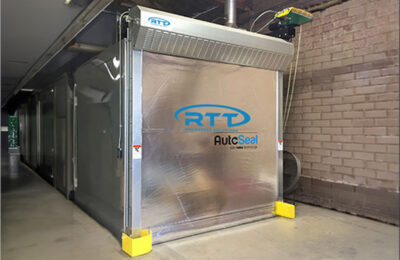
AutoSeal Oven Roll Up Door
- Accessories
Batch
- Ovens
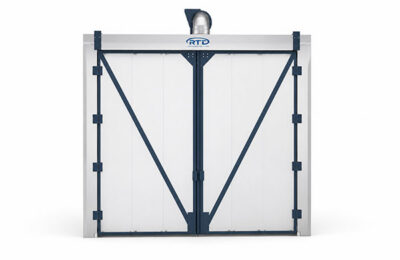
Batch
- Powder Coating Booths
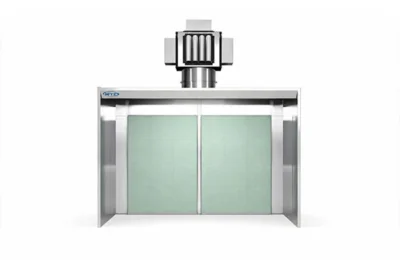
CT Series
- Air Makeup Units
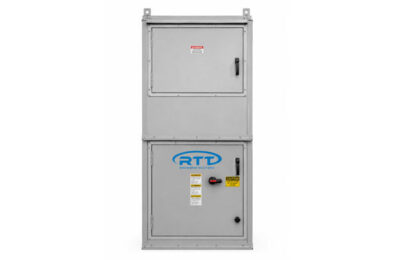
Enclosed
- Industrial Paint Booths
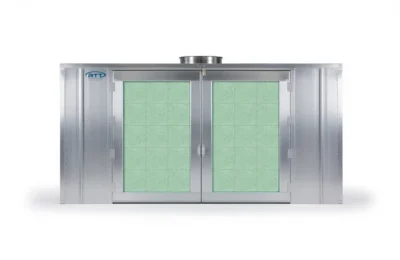
EZ Classic Crossdraft
- Automotive Paint Booths
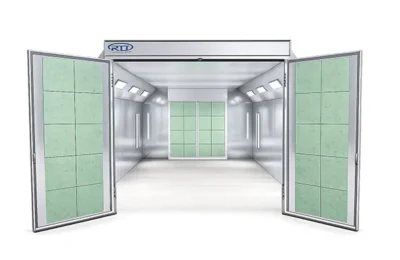
EZ Modified Downdraft
- Automotive Paint Booths
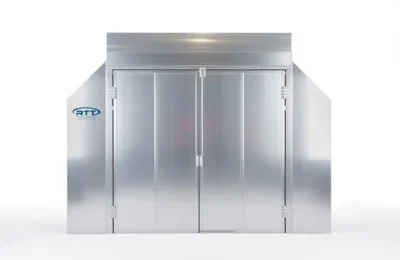
EZ Pit Downdraft
- Automotive Paint Booths
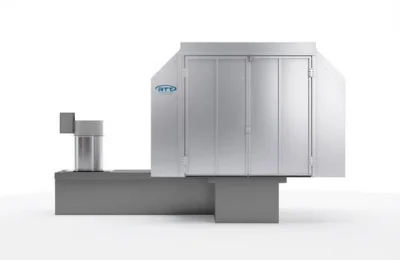
EZ Side Downdraft
- Automotive Paint Booths
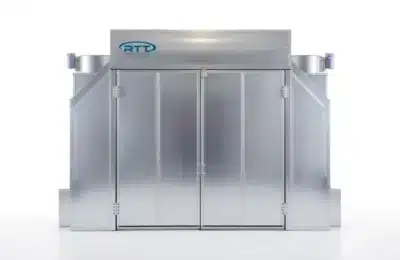
FilterLoc Paint Booth Seal
- Accessories

Finishing Prep Station
- Preparation Equipment
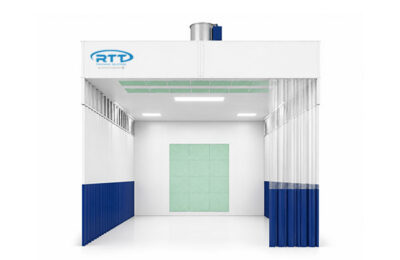
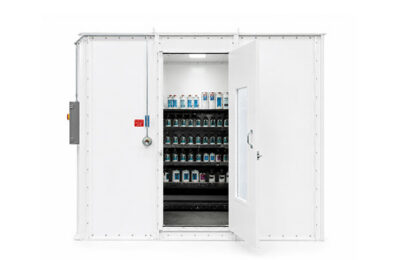
Industrial Paint Mixing Room
- Preparation Equipment
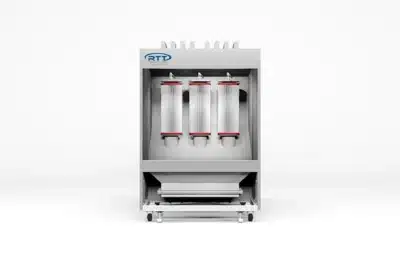
Lab
- Powder Coating Booths
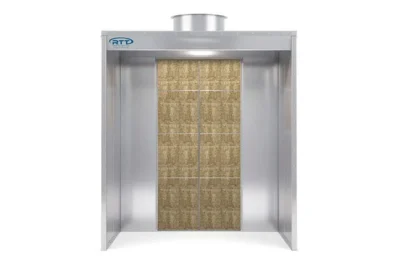
Open Front
- Industrial Paint Booths
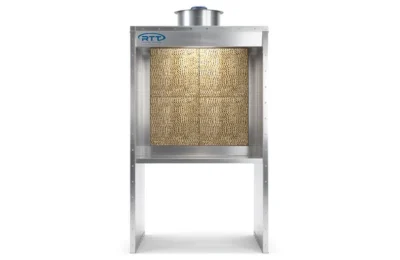
Open Front Bench
- Industrial Paint Booths
SmartBatch Cure
- Controls
VHD Batch
- Ovens