Aerospace
Protect aerospace finishing operations with expert insights on spray painting and powder coating health risks, fume control, and regulatory compliance. Discover best practices and how RTT Finishing Solutions delivers safe, high-performance systems built for aerospace demands.
Spray Painting and Powder Coating in the Aerospace Industry
Every commercial aircraft that climbs to altitude, every military jet screaming across a flight line, and every spacecraft component assembled in a cleanroom carries on its surface a stack of precisely engineered coatings that most observers never think twice about. In the aerospace industry, surface finishing is far more than cosmetics. The coatings applied to airframes, engine components, fasteners, and interior structures must withstand ultraviolet radiation, extreme temperature cycling, corrosive aviation fluids, lightning strikes, and aerodynamic erosion — sometimes all at once, over service lives measured in decades.
Achieving that performance demands sophisticated chemical processes, applied by skilled workers in tightly controlled environments. Those environments, in turn, generate some of the most hazardous airborne exposures found anywhere in industrial work. Managing those exposures — through engineering controls, regulatory compliance, and genuine commitment to worker health — is the central challenge of aerospace surface finishing.
This article examines the primary coating processes used in aerospace manufacturing and maintenance, the ventilation and containment systems designed to manage the airborne hazards they create, and the health and compliance stakes involved when that management falls short.
Why Aerospace Coatings Are Different
Aerospace coatings operate under performance demands that have no equivalent in most other industries. Where an automotive finish must resist car washes and parking lot door dings, an aircraft exterior coating must maintain adhesion through thermal cycling from negative 60 degrees Celsius at cruise altitude to positive 50 degrees on a desert tarmac. It must resist hydraulic fluids, aviation fuels, de-icing chemicals, and a spectrum of ultraviolet radiation far more intense than anything encountered at ground level. On military platforms, it may additionally need radar-absorbing properties, low-observable surface treatments, or resistance to chemical and biological decontamination agents.
The materials used to meet these demands are correspondingly complex. Chromate-containing primers have long been the aerospace standard for corrosion inhibition, exploiting the electrochemical properties of hexavalent chromium to passivate underlying aluminum alloys. Two-component polyurethane topcoats provide the gloss, color, and durability required on exterior surfaces. Epoxy-based coatings anchor to difficult substrates. Thermal barrier coatings protect turbine components from temperatures that would destroy conventional paint systems entirely.
This chemical sophistication comes with an occupational health burden that demands careful management. Many of the compounds that give aerospace coatings their exceptional performance — hexavalent chromium, isocyanates, epoxy resins, solvents — are also among the most hazardous substances workers encounter in any industrial setting.
Spray Painting Processes in Aerospace
Conventional Air Spray and HVLP
Liquid spray painting remains the dominant method for applying primers, topcoats, and specialty coatings to aerospace components. In conventional air spray, compressed air atomizes paint into fine droplets propelled toward the workpiece. Transfer efficiency — the proportion of paint that actually reaches the surface rather than becoming overspray — is relatively low, typically in the range of 25 to 40 percent for air spray equipment. The remaining material becomes airborne overspray, which must be captured by the booth exhaust system.
High-volume low-pressure (HVLP) spray systems improve transfer efficiency significantly — often to 65 percent or better — by using high air volume at reduced atomizing pressure. Lower velocity droplets are less prone to bouncing off the surface and becoming airborne. Many aerospace finishing operations have transitioned to HVLP equipment not only for environmental compliance benefits (reduced overspray means reduced VOC emissions per unit area coated) but also for material cost savings and improved finish consistency.
Electrostatic spray systems take this further by imparting an electrical charge to paint droplets that are then attracted to a grounded workpiece. Transfer efficiencies above 90 percent are achievable for components suited to this method. However, electrostatic spray is not appropriate for all aerospace applications, particularly where complex geometries, mixed substrate conductivities, or flammable solvent chemistry create safety complications.
Two-Component Polyurethane Topcoats
Two-component (2K) polyurethane systems are the backbone of aerospace exterior finishing. A resin component — typically a polyol or acrylic polyol — is mixed with an isocyanate hardener immediately before use. The chemical reaction between these components produces a cross-linked polymer network with outstanding abrasion resistance, gloss retention, chemical resistance, and UV durability. Boeing, Airbus, and their global supply chains have standardized on 2K polyurethane topcoats for commercial aircraft exterior applications, and military specifications similarly mandate them for most aircraft exterior surfaces.
The isocyanate component of these systems — most commonly aliphatic isocyanates such as hexamethylene diisocyanate (HDI) trimer — is the source of the system’s exceptional performance and also its most significant occupational health concern. Isocyanates volatilize and aerosolize during spray application, creating airborne exposure that can cause occupational asthma, hypersensitivity pneumonitis, and permanent respiratory sensitization, even at concentrations too low to detect by smell.
Chromate Primers
Epoxy-based primers containing strontium chromate or barium chromate have been the aerospace industry’s primary corrosion inhibition layer for commercial airframes for decades. Hexavalent chromium compounds leach from the primer film and passivate any exposed aluminum alloy substrate, providing electrochemical protection that far exceeds what chromate-free alternatives have historically been able to match. In aerospace, where corrosion in critical structural areas can have catastrophic consequences, this performance advantage has made chromate primers extraordinarily difficult to displace.
Hexavalent chromium is a confirmed human carcinogen, classified as such by the International Agency for Research on Cancer (IARC), NIOSH, and EPA. Airborne Cr(VI) generated during spray application of chromate primers penetrates deep into the respiratory tract and is associated with significantly elevated risk of lung cancer at occupational exposure levels. The spray application of chromate-containing primers in aerospace represents one of the highest-priority exposure control challenges in the industry.
The regulatory and competitive pressure to eliminate Cr(VI) from aerospace primers has driven substantial research investment in chromate-free alternatives over the past two decades. Trivalent chromium coatings, molybdate-based inhibitors, and organic corrosion inhibitors based on ion exchange pigments have achieved qualification in some aerospace applications, and their use is gradually expanding. However, as of the current period, chromate primers remain in use across significant portions of both commercial and military aerospace production and maintenance.
Epoxy Coatings and Primers
Epoxy-based coatings serve multiple functions in aerospace applications — as primers, intermediate coats, and specialized functional layers on interior structures, cargo floors, wheel wells, and fuel tank interiors. Two-component epoxy systems cure through a reaction between an epoxy resin and an amine or amide hardener. The cured film offers excellent adhesion, chemical resistance, and mechanical toughness.
The amine hardeners used in epoxy systems are themselves respiratory and dermal sensitizers, and the spray application of uncured epoxy components generates aerosols that can cause occupational asthma by a sensitization mechanism distinct from isocyanate-induced asthma. Workers exposed to epoxy aerosols are at risk of both inhalation sensitization and contact dermatitis from skin deposition of spray mist and overspray.
Specialty High-Temperature and Functional Coatings
Beyond airframe finishing, aerospace coating operations include a range of specialty processes. Thermal barrier coatings (TBCs) applied by plasma spray or electron beam physical vapor deposition protect turbine blades and combustion chamber components from extreme heat. Dry-film lubricants based on molybdenum disulfide or PTFE are applied to fasteners, bearings, and sliding surfaces. Conductive and static-dissipative coatings manage electrostatic charge on composite airframe structures. Each of these specialty processes generates its own characteristic airborne hazard profile — metallic oxides from plasma spray, fluoropolymer decomposition products from PTFE-containing coatings, and others — requiring process-specific engineering controls.
Powder Coating in Aerospace Applications
Powder coating occupies a significant but selective role in aerospace manufacturing. The process — in which electrostatically charged dry powder particles are applied to a grounded workpiece and then thermally cured in an oven — offers compelling advantages: essentially zero VOC emissions during application, high transfer efficiency, and the ability to produce thick, uniform films in a single coat. These properties have driven growing adoption in aerospace for components where the process characteristics are a good match.
Where Powder Coating Is Used in Aerospace
Ground support equipment, aircraft tugs, maintenance vehicles, and hangar infrastructure are common targets for powder coating in aerospace environments. Aluminum and steel components such as brackets, fittings, interior structural members, seat frames, galley components, and cargo handling equipment are also regularly powder coated. In these applications, the performance characteristics of powder coating — corrosion resistance, impact resistance, and consistent film build — are well suited to the service environment.
Powder coating is generally not used for primary airframe exterior surfaces in commercial or military aviation. The technical reasons are multiple: most aircraft exterior surfaces are aluminum alloys, composite structures, or mixed-material assemblies that present substrate conductivity challenges for electrostatic application; the cure temperatures required for thermosetting powder systems may exceed the temperature tolerance of adhesively bonded composite panels; and achieving the Class A surface smoothness required on exterior aerodynamic surfaces has historically been more difficult with powder than with liquid systems.
That said, advances in low-temperature cure powder formulations and ultraviolet-cure powder systems are expanding the range of substrates to which powder coating can be applied, and ongoing research is exploring broader powder coating applications in aerospace manufacturing.
Powder Coating Process Hazards in Aerospace
Powder coating’s environmental profile is significantly cleaner than solvent-borne liquid painting in terms of VOC emissions, but the process is not without airborne hazard. During application, fine polymer and pigment particles become airborne in the spray zone. While the particles used in aerospace powder coatings are generally not acutely toxic at typical exposure concentrations, fine particle inhalation — particularly of particles in the respirable size range — carries long-term respiratory burden, and some specialty aerospace powder formulations contain pigments or additives that require specific exposure controls.
The cure oven is another source of emissions. As powder melts, flows, and cross-links at elevated temperatures, thermal decomposition of various coating components can release low concentrations of organic compounds into the oven atmosphere. Properly designed oven ventilation systems capture and treat these emissions, but oven maintenance, filter servicing, and loading/unloading operations all present opportunities for worker exposure if not properly managed.
Combustible dust hazards deserve particular attention in powder coating operations. Finely divided organic powder suspended in air can form explosive mixtures at concentrations that are achievable within spray booth interiors if collection systems are not functioning properly. Aerospace facilities operating powder coating lines must maintain booth air velocities, collection filter systems, and equipment grounding consistent with NFPA 654 and NFPA 33 requirements for combustible powder handling.
Specialty and Emerging Coating Processes
Thermal Spray and Plasma Spray
Thermal spray processes — including plasma spray, high-velocity oxy-fuel (HVOF) spray, and arc wire spray — are used extensively in aerospace for applying metallic, ceramic, and cermet coatings to engine components, landing gear, and other high-wear or high-temperature parts. In these processes, coating material is heated to a molten or semi-molten state and propelled at high velocity onto the substrate, where it solidifies to form a dense, adherent deposit.
The airborne hazards from thermal spray are distinct from those of paint application. Metal fume, metal oxide particles, and ultrafine particles generated by the spray process are the primary concerns. For thermal sprayed coatings containing cobalt, nickel, chromium, or tungsten carbide — all common in aerospace thermal spray applications — the occupational exposure standards are stringent, and the health consequences of overexposure include interstitial lung disease, metal sensitization, and, for some metals, carcinogenicity. Thermal spray operations in aerospace are typically performed in dedicated spray rooms or enclosures with high-velocity local exhaust ventilation and HEPA filtration.
Sol-Gel and Chemical Conversion Coatings
Sol-gel coatings — applied by dipping, spraying, or flow coating and then cured to form a glassy oxide film — are used as adhesion promoters and corrosion inhibitors on aluminum and titanium aerospace components. They have attracted significant interest as a chromate-free pretreatment alternative, and several aerospace specifications now qualify sol-gel processes for applications previously served by chromate conversion coating.
Chemical conversion coatings, including chromate conversion (Alodine) and trivalent chromium process (TCP) alternatives, are applied to aluminum surfaces to promote adhesion and provide baseline corrosion protection. Chromate conversion coating processes involve immersion in or spray application of acidic hexavalent chromium solutions — generating liquid and aerosol Cr(VI) exposure hazards managed through enclosed process tanks, local exhaust ventilation, and strict PPE requirements.
Robotic and Automated Application
Large aerospace manufacturers increasingly use robotic spray systems for primer and topcoat application on airframe sections. Robotic application offers consistent film thickness, reduced material waste, and — critically from an occupational health perspective — the ability to conduct hazardous spray operations with workers outside the direct spray zone. Workers are still present for setup, loading, cleanup, and inspection, but the elimination of manual spray application during the highest-exposure phase of the operation is a meaningful reduction in risk.
Containing Fumes and Airborne Pollutants in Aerospace Finishing Facilities
Aerospace Spray Booth Design
Aerospace spray booths are among the most sophisticated industrial ventilation systems in manufacturing. The fundamental objective is the same as in any spray finishing environment — supply clean filtered air to the work zone, carry overspray and solvent vapors away from workers and toward exhaust, and prevent the accumulation of flammable or toxic concentrations of airborne chemicals. But the scale, cleanliness requirements, and chemical complexity of aerospace applications push booth design to much higher standards than those typical in general industrial painting.
Downdraft booths are the standard for large-structure aerospace finishing. Air enters through ceiling plenums containing high-efficiency supply filters, flows downward through the work zone at controlled velocity — typically 0.3 to 0.5 meters per second — and exits through floor-level grates into an exhaust plenum before being discharged externally. The downward airflow pattern carries aerosols and vapors away from the painter’s breathing zone and toward the floor exhaust, minimizing recirculation of contaminated air within the workspace.
For very large aircraft structures — wide-body fuselage sections, wing assemblies, or complete aircraft — hangar-scale spray environments replace conventional booths. These facilities use carefully engineered supply air distribution and exhaust systems to achieve controlled airflow patterns across work areas measured in thousands of square meters. Maintaining consistent face velocities and preventing stagnant zones in spaces of this scale is a significant engineering challenge requiring computational fluid dynamics modeling and commissioning measurement programs.
Crossflow and semi-downdraft booth configurations are used for smaller components and in facilities where floor-level exhaust systems are not practical. While less effective than downdraft designs at protecting the painter’s breathing zone, they are adequate for many aerospace component finishing operations when supplemented by appropriate respiratory protection.
Exhaust Filtration and Treatment
Exhaust filtration in aerospace spray environments typically proceeds through multiple stages. Dry media arrestor filters — fiberglass, polyester, or synthetic media panels — capture overspray particles from the exhaust stream before they reach the exhaust fan. For chromate primer operations, these filters accumulate hexavalent chromium-containing particulate and must be managed as hazardous waste. High-efficiency particulate air (HEPA) filtration is used downstream in some operations where regulatory limits on particulate emissions are particularly stringent or where the toxicity of the coating material warrants additional protection.
VOC emissions from aerospace spray operations can be substantial, particularly in facilities applying high volumes of solvent-borne coatings. The primary exhaust treatment technologies used in aerospace contexts include:
- Regenerative thermal oxidizers (RTOs) pass exhaust air through ceramic heat-exchange media and then through a combustion chamber at temperatures of 760°C to 980°C, oxidizing VOCs to carbon dioxide and water with destruction efficiencies above 99 percent. RTOs are the dominant choice for high-volume aerospace finishing facilities because they handle the variable concentrations and mixed solvent chemistry characteristic of aerospace coating operations while recovering heat for energy efficiency.
- Catalytic oxidizers achieve VOC destruction at lower temperatures — typically 260°C to 430°C — through oxidation over a precious metal catalyst. They are more energy efficient than thermal oxidizers when treating consistent, clean exhaust streams, but require careful management to avoid catalyst poisoning by compounds such as silicon, phosphorus, or lead compounds present in some aerospace coatings.
- Carbon adsorption systems capture VOC vapors on activated carbon beds. Captured solvents can be recovered by steam regeneration and either reclaimed or thermally destroyed. Carbon systems are particularly effective for facilities with intermittent operations where thermal oxidizers would operate inefficiently at low exhaust concentrations.
For hexavalent chromium-containing exhaust streams from chromate primer application, wet scrubbers are sometimes used upstream of or in conjunction with dry filtration to achieve maximum capture efficiency of Cr(VI) aerosol. The scrubber discharge requires treatment before disposal to meet wastewater Cr(VI) limits.
Local Exhaust Ventilation for Small Parts and Touch-Up Operations
Not all aerospace coating operations involve large spray booths. Touch-up painting, small component finishing, chemical conversion coating, and solvent wiping operations are often performed at benches or in open areas where booth containment is impractical. Local exhaust ventilation (LEV) — systems that capture contaminants at or near their source before they disperse into the work environment — is the engineering control of choice for these operations.
Spray painting enclosures, backdraft hoods, canopy hoods, and push-pull ventilation systems can be configured to provide adequate capture for small aerospace component operations. The critical design parameter is face velocity at the hood opening — typically 0.5 to 1.0 meters per second for open-faced enclosures, with higher velocities required for cross-drafts or high-toxicity materials such as chromate-containing primers.
Powder Coating Booth Ventilation and Dust Collection
Powder coating spray booths in aerospace facilities are designed to maintain airborne powder concentrations well below the lower explosive limit, capture overspray for recycling, and protect workers from powder inhalation. Cartridge filter collection systems — in which overspray-laden air passes through pleated filter cartridges that are periodically cleaned by reverse pulse jets — are the standard technology. Recovered powder, if uncontaminated by foreign material, can be returned to the feed hopper and reused, providing material efficiency advantages over liquid paint systems where overspray is waste.
Oven ventilation systems manage the low-concentration organic emissions produced during powder cure. Direct-fired or indirect-fired air replacement systems maintain oven exhaust below LEL and VOC emission limits while providing the temperature uniformity required for consistent powder cure.
Health Risks to Aerospace Finishing Workers
Hexavalent Chromium: The Most Serious Carcinogenic Exposure
Hexavalent chromium is the most thoroughly documented carcinogenic hazard in aerospace coating operations. The epidemiological evidence linking occupational Cr(VI) exposure to lung cancer is extensive and unambiguous — IARC classifies Cr(VI) compounds as Group 1 human carcinogens. Workers who apply chromate primers, work in booths where chromate primers are applied, or perform sanding and abrasion of cured chromate-containing primer films are at elevated lung cancer risk if exposures are not adequately controlled.
OSHA’s permissible exposure limit for Cr(VI) is 5 micrograms per cubic meter as an 8-hour time-weighted average (TWA), with an action level of 2.5 micrograms per cubic meter. NIOSH recommends a much more protective limit of 0.2 micrograms per cubic meter, reflecting evidence that excess lung cancer risk is measurable at exposures well below OSHA’s PEL. The gap between the OSHA standard and the NIOSH recommendation is one of the most significant occupational health policy disconnects in current U.S. industrial hygiene practice, and aerospace employers who manage to the OSHA limit rather than the NIOSH REL are providing substantially less protection than the scientific evidence warrants.
Beyond lung cancer, Cr(VI) exposure causes nasal septum perforation with chronic inhalation at higher concentrations, contact dermatitis, and skin sensitization. Cr(VI) also presents an ingestion pathway when work surfaces, hands, or food become contaminated — a particularly important consideration in maintenance environments where workers may eat near work areas.
Isocyanates: Permanent Respiratory Sensitization
Isocyanate exposure from 2K polyurethane topcoat and primer application is the second major respiratory hazard in aerospace finishing. The mechanism of harm is sensitization — an immunological response that, once established, renders the affected individual permanently reactive to isocyanate exposure at any concentration. Sensitized workers experience asthmatic responses — bronchospasm, chest tightness, wheezing, and, in severe cases, life-threatening anaphylaxis — upon subsequent isocyanate encounters.
What makes isocyanate sensitization particularly insidious is that it can occur after months or years of apparently symptom-free exposure, and at air concentrations below established exposure limits. There is no safe threshold for a sensitized individual. Once a worker is sensitized to isocyanates, there is no medical treatment that restores safe tolerance, and continued work in isocyanate environments is contraindicated. This effectively means the end of a career in aerospace finishing — an outcome that is entirely preventable with appropriate supplied-air respiratory protection during spray operations.
OSHA has established a ceiling limit of 0.02 ppm for methylene diisocyanate (MDI). ACGIH TLVs for aliphatic isocyanates — the type most commonly used in aerospace topcoats — are set at 0.005 ppm as a ceiling value. Air-purifying respirators with organic vapor cartridges provide inadequate protection against isocyanates; supplied-air respirators (SARs) operating in continuous-flow or pressure-demand mode are the only adequate protection for spray application of isocyanate-containing systems.
Solvent Vapors and VOC Exposure
Aerospace coating systems, including wash primers, epoxy primers, and solvent-borne topcoats, contain organic solvents — methyl ethyl ketone, toluene, xylene, methanol, ethyl acetate, and many others — that volatilize during application and drying. Acute solvent vapor exposure at high concentrations causes central nervous system depression: dizziness, headache, disorientation, and, at extreme exposures, loss of consciousness. Chronic lower-level exposure to mixed organic solvents has been associated with occupational solvent syndrome — a constellation of cognitive, neurological, and mood symptoms — and with increased risk of liver and kidney disease.
The shift toward waterborne and high-solids formulations in aerospace has reduced average solvent exposures in many facilities, but solvent-borne systems remain in wide use, and surface preparation operations — solvent wiping to clean surfaces before coating application — represent a significant solvent exposure source that is often underestimated relative to spray application.
Epoxy Resin and Amine Sensitization
Uncured epoxy resins and their amine hardeners are respiratory and dermal sensitizers. Aerosol generated during spray application of epoxy primers and coatings can cause occupational asthma through sensitization mechanisms analogous to isocyanate-induced asthma, though generally considered to carry somewhat lower risk per unit exposure. Skin contact with uncured epoxy components is a common cause of occupational contact dermatitis in aerospace workers, and sensitization through skin contact can lead to airway sensitization upon subsequent inhalation exposure.
Metallic Fumes from Thermal Spray Operations
Cobalt metal and cobalt compounds used in thermal spray cermet coatings for aerospace applications are associated with cobalt-induced hard metal lung disease — a severe, progressive interstitial pneumonia triggered by inhalation of fine cobalt-containing particles. Nickel compounds used in thermal spray coatings are classified as Group 1 human carcinogens. Tungsten carbide-cobalt particles have been the subject of particular research attention, with evidence suggesting that the combination of tungsten carbide and cobalt is more toxic than either material alone. Workers in aerospace thermal spray operations require rigorous respiratory protection and biological monitoring programs.
Composite Dust from Sanding and Abrasion
The growing proportion of carbon fiber reinforced polymer (CFRP) structures in modern aircraft — composites now account for more than 50 percent of the structural weight of aircraft such as the Boeing 787 and Airbus A350 — means that aerospace workers increasingly perform surface preparation on composite structures by sanding, grinding, or abrasive blasting. These operations generate fine carbon fiber and resin matrix particles that are respirable. The occupational health effects of CFRP dust are not as thoroughly characterized as those of asbestos or silica, but fiber geometry and biopersistency in lung tissue warrant precautionary controls, and epoxy resin matrix components in composite dust are established sensitizers.
Regulatory Compliance in Aerospace Coating Operations
EPA Air Emission Standards
Aerospace coating operations in the United States are subject to the EPA’s National Emission Standards for Hazardous Air Pollutants (NESHAP) for Aerospace Manufacturing and Rework Facilities, codified at 40 CFR Part 63, Subpart GG. This rule applies to facilities that coat aerospace vehicles or components and emit HAPs above specified thresholds. Key requirements include limits on the HAP content of coatings and cleaning materials used in covered operations, work practice standards for handling cleaning solvents, and recordkeeping and reporting obligations.
Facilities subject to Subpart GG must use compliant coatings — those meeting specified HAP content limits — or apply all coating through equipment meeting specified transfer efficiency requirements, or use a combination of these compliance approaches. The rule includes separate limits for primer, topcoat, and specialty coating categories, reflecting the different levels of HAP reduction achievable across these product types.
State air quality regulations frequently impose additional requirements beyond the federal NESHAP floor. California’s Air Resources Board and its network of regional air quality management districts apply VOC content limits and operational requirements that can be substantially more stringent than federal rules, and aerospace facilities operating in California must navigate both regulatory layers simultaneously.
OSHA Occupational Exposure Standards
OSHA’s general industry standards establish legally enforceable exposure requirements for chemicals encountered in aerospace coating operations. The most operationally significant include:
- Hexavalent Chromium Standard (29 CFR 1910.1026): Requires engineering and work practice controls to achieve exposures at or below the 5 μg/m³ PEL, respiratory protection when controls are insufficient, biological monitoring for exposed workers, medical surveillance, and strict housekeeping requirements to prevent Cr(VI) accumulation on work surfaces. Facilities with exposures above the action level must conduct air monitoring at specified frequencies.
- Respiratory Protection Standard (29 CFR 1910.134): Requires a written respiratory protection program, medical evaluation prior to respirator use, quantitative or qualitative fit testing for tight-fitting respirators, and annual retraining. For supplied-air respirator programs covering isocyanate spray operations, this includes respirator maintenance, airline integrity inspection, and emergency escape provisions.
- Hazard Communication Standard (29 CFR 1910.1200): Requires safety data sheets for all chemical products, compliant labeling, and worker training on chemical hazards, exposure routes, and protective measures. For aerospace operations using a large and frequently changing catalog of specialty coatings and solvents, maintaining a current, accessible SDS library is an ongoing administrative challenge.
- Process Safety Management (29 CFR 1910.119): May apply to aerospace facilities that store flammable solvents above threshold quantities, triggering requirements for hazard analysis, operating procedures, employee training, mechanical integrity programs, and emergency response planning.
NFPA Fire and Explosion Safety Standards
NFPA 33 — the Standard for Spray Application Using Flammable or Combustible Materials — governs the design and operation of spray finishing areas in aerospace facilities. Requirements include electrical classification of spray booth interiors as Class I, Division 1 or Division 2 hazardous locations, minimum ventilation rates to maintain solvent vapor concentrations below 25 percent of the lower flammable limit (LFL), prohibition of ignition sources within defined distances of spray areas, and automatic suppression system requirements for certain facility configurations.
NFPA 654 — the Standard for the Prevention of Fire and Dust Explosions from the Manufacturing, Processing, and Handling of Combustible Particulate Solids — applies to powder coating operations, addressing both the booth environment during spray application and the storage and handling of combustible powder inventory.
EPA and State Hazardous Waste Requirements
Spent spray booth filters, paint sludge, used solvent containers, contaminated PPE, and other waste streams from aerospace coating operations may qualify as RCRA hazardous wastes based on their chemical composition. Facilities generating above specified quantities of hazardous waste are subject to generator requirements including waste characterization, storage time and quantity limits, manifesting for off-site transport, and recordkeeping. Cr(VI)-containing wastes from chromate primer operations are typically characterized as listed hazardous wastes (F006 or D007) requiring disposal through licensed hazardous waste management facilities.
Military and OEM Specifications
Beyond regulatory requirements, aerospace coating operations are governed by a dense layer of customer and OEM specifications. Boeing, Airbus, Lockheed Martin, Northrop Grumman, and other primes maintain process specifications — BMS, BPS, DPS, and similar designations — that prescribe approved materials, application methods, curing parameters, and quality acceptance criteria for coatings applied to their platforms. These specifications often impose requirements more stringent than regulatory minimums, reflecting the safety criticality of aerospace coatings and the liability exposure associated with premature coating failure on aircraft in service.
Military specifications (MIL-PRF and MIL-DTL documents) similarly govern coating selection and application processes for defense aerospace programs, and maintenance facilities holding FAA Repair Station certificates must demonstrate that their coating processes comply with the applicable maintenance manual requirements for the aircraft type they service.
What Responsible Aerospace Finishing Operations Do
The facilities that do this well share a recognizable set of practices. None of them are secrets, but the consistency and rigor with which they are applied separates operations that genuinely protect workers from those that rely on regulatory paperwork and hope.
They prioritize substitution before engineering controls. Where chromate-free primer alternatives meet the corrosion performance requirements of a specific application, responsible operations adopt them — not because regulators require it today, but because the carcinogenic hazard of Cr(VI) makes elimination preferable to control. The same logic applies to waterborne coating systems and low-isocyanate-content formulations where performance requirements permit.
They design, commission, and verify ventilation systems rather than assuming they work. Booth airflow measurements, face velocity verification, and exhaust treatment performance testing are performed at commissioning and at regular intervals thereafter. Filter change intervals are driven by pressure drop measurements, not calendar schedules. Thermal oxidizer destruction efficiency is documented. When measurements show performance has degraded, the system is repaired before production resumes.
They provide genuinely protective respiratory equipment and manage the program with discipline. For isocyanate and chromate spray operations, supplied-air respirators are the baseline — not half-mask air-purifying respirators, which are inadequate. Medical evaluation programs identify workers with pre-existing conditions that may increase their susceptibility to sensitizing agents. Fit testing is conducted annually and after changes in respirator model or face shape. Workers understand not just how to don their respirator, but why the protection it provides is not optional.
They conduct occupational exposure monitoring at meaningful frequencies. Air sampling for Cr(VI), isocyanates, and key solvents provides objective evidence of whether engineering controls are achieving their intended exposure reduction. When sampling results exceed action levels, the response is investigation and corrective action — not administrative rationalization. Biological monitoring for Cr(VI) exposure (urinary chromium) provides an additional layer of verification.
They train workers substantively, not just for compliance check-boxes. Workers who understand that a sensitization event will effectively end their career in aerospace finishing are far more motivated to consistently use respiratory protection than workers who have only been told that “respirators are required.” Supervisors who understand the mechanism and irreversibility of isocyanate sensitization are more likely to enforce respiratory protection requirements than those who regard them as bureaucratic obligations.
And they build health surveillance into their occupational medicine programs. Periodic spirometry for workers with isocyanate exposure, medical surveillance for Cr(VI)-exposed workers per OSHA’s chromium standard, and audiological monitoring for workers near high-noise spray and cure equipment are the markers of an operation that regards worker health as a genuine operational value rather than a regulatory burden.
Looking Forward: The Future of Aerospace Coating and Hazard Control
The trajectory of aerospace coating technology is toward lower hazard profiles without compromising the performance demands that drove the adoption of today’s chemistry. Chromate-free corrosion inhibitors based on rare earth compounds, molybdates, and organic ion-exchange pigments have achieved qualification in growing numbers of aerospace applications, and continued qualification work is expanding their reach. The regulatory, liability, and health cost pressure to complete the transition away from hexavalent chromium in aerospace primers is substantial and accelerating.
Waterborne and high-solids formulations are replacing solvent-borne systems in applications where the performance data supports substitution. Advances in resin chemistry are progressively closing the performance gap between waterborne and solvent-borne systems for demanding aerospace applications. UV-cure coating systems, which use ultraviolet light rather than solvent evaporation or thermal cure to cross-link the film, eliminate both solvent emissions and thermal energy consumption during cure.
Robotic and automated spray application continues to expand, driven by labor productivity, finish consistency, and the occupational health benefits of removing workers from the spray zone during the highest-exposure phase of the operation. Machine vision systems, force-feedback path programming, and offline simulation are progressively extending robotic capability to more complex aerospace structures.
But technology transitions in aerospace are inherently slow. The qualification data requirements for new coating systems, the service history needed to validate long-term performance on safety-critical structures, and the investment in existing process infrastructure create significant inertia. For the foreseeable future, aerospace coating workers will continue to encounter isocyanates, chromate compounds, epoxy resins, and organic solvents in their daily work environments — which means that the engineering controls, respiratory protection programs, exposure monitoring, and health surveillance described in this article will remain as important as ever.
The people who prepare, prime, and finish the surfaces of the aircraft that carry hundreds of millions of passengers safely through the air deserve the same level of safety engineering that goes into the aircraft themselves. Getting that right is not just a regulatory obligation. It is an operational and ethical imperative.
This article is intended for informational purposes only. Specific regulatory requirements vary by jurisdiction, facility classification, and process type. Aerospace employers should consult current federal and state regulations, applicable military and OEM specifications, and qualified industrial hygienists and safety professionals when developing hazard control and compliance programs.
RTT Solutions for the Aerospace Industry
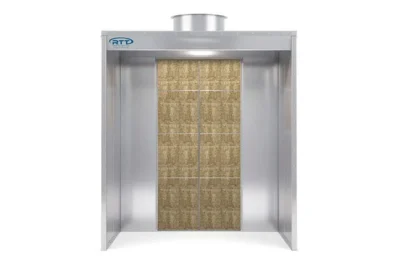
Open Front
- Industrial Paint Booths
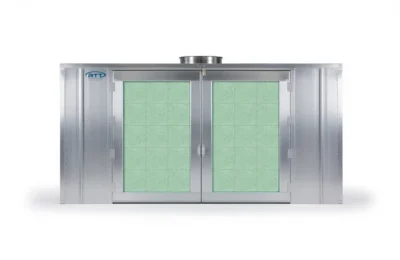
Enclosed
- Industrial Paint Booths
Crossdraft
- Large Equipment Paint Booths
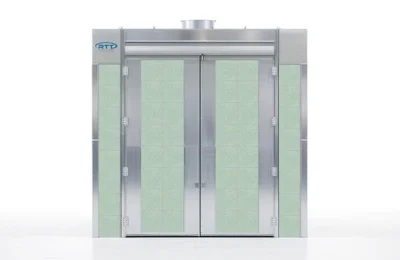
Downdraft
- Large Equipment Paint Booths
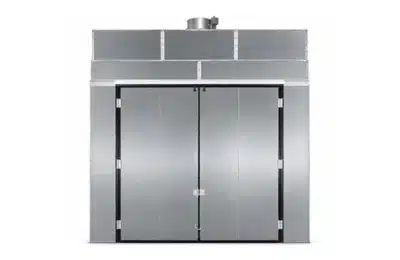
Modified Downdraft
- Large Equipment Paint Booths
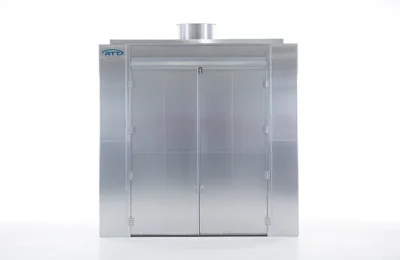
Side Downdraft
- Large Equipment Paint Booths
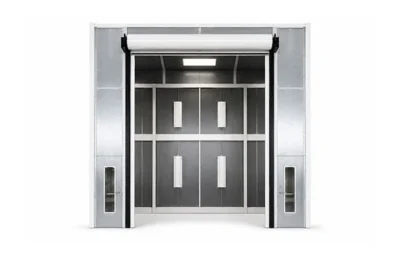
Industrial Paint Mixing Room
- Preparation Equipment
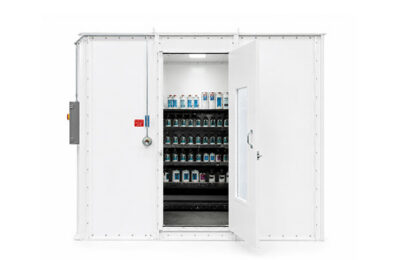
Wash Booth
- Preparation Equipment

CT Series
- Air Makeup Units
FilterLoc Paint Booth Seal
- Accessories
Ductwork
- Accessories
Filter Monitoring System
- Controls
UL Listed Standard
- Control Panels
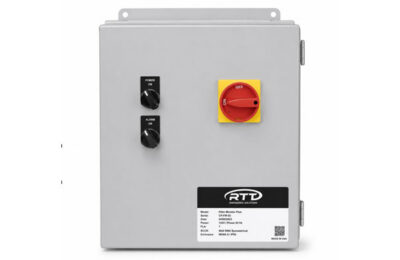
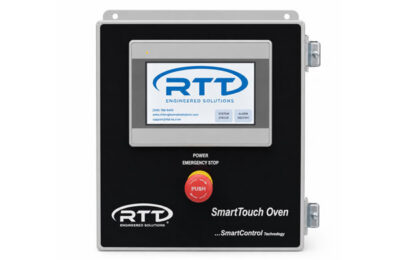
SmartTouch Touchscreen
- Control Panels
Variable Frequency Drive
- Control Panels

E-light LED Lighting
- Accessories