Railway
Enhance safety in railway finishing operations with practical guidance on spray painting and powder coating hazards, air quality management, and compliance standards. Discover best practices and RTT Finishing Solutions built for rail applications.
Spray Painting and Powder Coating in the Railway Industry
Look at a modern passenger train pulling into a station and the finish is often the first thing that registers — crisp livery colors, clean lines, a surface that projects reliability and institutional identity. Look at a freight locomotive idling at a classification yard and you see something different: a working finish built for endurance, carrying a color scheme that has sometimes remained unchanged for decades, its surface testimony to thousands of miles of service in rain, snow, diesel exhaust, and the mechanical abuse of a hard-working machine. Neither the gleam of the commuter train nor the battle-worn durability of the freight locomotive happens by chance. Both are the product of sophisticated coating systems applied by workers navigating a hazard environment that the traveling public never sees and rarely thinks about.
Railway coating operations span an extraordinary range of scales and contexts. At one end are purpose-built manufacturing facilities producing new rolling stock on production lines with robotic spray systems and purpose-designed spray halls. At the other are maintenance depots where a lone painter touches up a cab panel on a locomotive that has been in service for thirty years. Between these extremes are heavy maintenance workshops carrying out complete fleet repaints, component shops coating bogies and wheelsets, and field operations maintaining the vast inventory of track infrastructure, bridges, signals, and lineside equipment that makes up the permanent way.
Across all of these settings, the same fundamental hazards recur: isocyanates in two-component polyurethane topcoats, solvents in primers and intermediates, heavy metals in legacy coatings disturbed during maintenance, and airborne particulate from surface preparation operations. Managing these hazards — through engineering controls, sound process design, and genuine commitment to occupational health — is the subject this article addresses in full.
The Railway Coating Environment: Diversity, Scale, and Demands
The railway industry is not a single coating environment but a collection of distinct ones, each with its own substrate requirements, service conditions, and operational constraints. Understanding this diversity is the starting point for understanding why railway coating is both technically demanding and occupationally hazardous.
Rolling stock — the locomotives, passenger coaches, multiple unit trains, freight wagons, and maintenance vehicles that move on the track — represents the most visible and most technically demanding coating challenge. Rolling stock coatings must survive continuous vibration and mechanical stress, temperature cycling from below freezing to summer cab interiors exceeding 50 degrees Celsius, track ballast impact on underframe and bogie components, cleaning chemical exposure from pressure washing and graffiti removal operations, UV weathering on exterior surfaces, and — on electric traction equipment — exposure to lubricants, transformer oil, and electrical discharges. Service lives of 30 to 50 years are not unusual for railway vehicles, and coating systems are expected to provide protection, or at minimum a sound substrate for maintenance repainting, across much of that lifespan.
Infrastructure coatings — applied to bridges, viaducts, stations, signal gantries, masts, rails, and lineside equipment — face their own service demands. Railway bridges in particular represent a critical coating challenge: often large, structurally complex, located in environmentally aggressive situations near rivers or coastal areas, subject to vibration from passing trains, and with access for maintenance that ranges from difficult to genuinely dangerous. The global inventory of deteriorating railway bridge steelwork represents billions of dollars of deferred maintenance liability for railway operators worldwide, and recoating campaigns for major rail bridge structures are among the most challenging industrial coating projects undertaken anywhere.
New construction and heavy maintenance represent different operational contexts with different options for engineering control. New construction facilities — whether building freight wagons, passenger rolling stock, or locomotives — can invest in purpose-designed coating facilities with enclosed spray halls, automated application equipment, and exhaust treatment systems. Heavy maintenance workshops repainting vehicles at end-of-life intervals operate under similar conditions. Line maintenance depots performing routine repairs, touch-up, and minor overhauls operate in more constrained conditions, and field coating of infrastructure often provides almost no opportunity for engineered containment of any kind.
Railway Coating Systems and Their Chemistry
Corrosion Protection Primers
The foundational layer of any railway coating system is corrosion protection of the steel or aluminum substrate. For steel rolling stock and infrastructure, zinc-rich primers — either inorganic zinc silicate or organic zinc-rich epoxy — provide sacrificial cathodic protection that makes them the corrosion control standard across heavy industry. Zinc phosphate epoxy primers offer an alternative that avoids the high zinc dust content of zinc-rich systems, trading some degree of cathodic protection for improved application versatility and a slightly lower inhalation hazard profile — though the trade-off requires careful evaluation against the corrosion performance demands of the specific application.
Two-component epoxy primers are the dominant primer chemistry for rolling stock in both new construction and heavy maintenance. They provide excellent adhesion to blast-cleaned steel and aluminum, good corrosion barrier properties, and compatibility with the range of intermediate and topcoat systems used in railway applications. Wash primers — thin, reactive coatings based on polyvinyl butyral resins and phosphoric acid — are used as adhesion promotion treatments on aluminum rolling stock components and galvanized steelwork where the surface chemistry is not suited to direct epoxy primer application.
Intermediate and Build Coats
High-build epoxy intermediate coats provide the film thickness that gives the overall coating system its mechanical strength, barrier properties, and ability to bridge surface irregularities. Applied in one or two coats to achieve total intermediate film builds of 100 to 250 microns, these materials are typically two-component amine-cured or amidoamine-cured epoxies with good chemical resistance and compatibility with the polyurethane topcoats applied over them. For underframe and bogie applications where stone chip resistance is paramount, rubber-modified or elastomeric epoxy intermediate coats may be specified to provide the flexibility needed to resist impact-induced coating failure.
Micaceous iron oxide (MIO) pigmented epoxy intermediate coats occupy an important position in railway infrastructure coating systems. The lamellar MIO pigment particles orient parallel to the substrate surface during film formation, creating a tortuous diffusion path for moisture and oxygen that significantly extends coating system service life in aggressive atmospheric environments. MIO epoxy coatings are widely specified for railway bridge steelwork for their well-documented long-term corrosion protection record. The iron oxide pigment carries relatively low toxicity compared to the chromate and lead pigments it replaced in earlier railway specifications, but the amine and amidoamine hardener systems used in MIO epoxy formulations are occupational sensitizers requiring appropriate exposure controls.
Two-Component Polyurethane Topcoats
Two-component aliphatic polyurethane topcoats are the universal standard for railway exterior finishing across both rolling stock and infrastructure applications. The combination of gloss retention, UV stability, color durability, and resistance to railway-specific chemical exposures — diesel exhaust deposits, hydraulic fluids, lubricants, graffiti removal chemicals, and alkaline vehicle washing systems — that characterizes these systems has made them the practical standard for exterior railway surfaces where appearance and long-term performance must be achieved simultaneously.
Railway livery requirements add a dimension to topcoat specification that distinguishes railway finishing from purely functional industrial coating. Train operating companies, freight operators, and transit authorities invest substantially in brand identity through vehicle livery — specific color matches, graphic elements, and finish quality standards that must be reproduced consistently across a fleet and maintained through the vehicle’s operational life. Color accuracy, gloss consistency, and resistance to fading under UV exposure and repeated cleaning operations are specification requirements that sit alongside the protective performance criteria. This places demands on both the coating product and the application process that are not present in contexts where appearance is secondary to function.
Isocyanate hardeners in railway polyurethane topcoats — typically HDI biuret, HDI isocyanurate trimer, or IPDI — are the most significant occupational health concern in railway coating operations. These aliphatic isocyanates are potent respiratory sensitizers whose aerosol during spray application can cause permanent occupational asthma at concentrations below detection thresholds, a hazard that demands supplied-air respiratory protection rather than reliance on air-purifying cartridge respirators.
Underbody, Bogie, and Anti-Chip Coatings
Railway vehicle underframe and bogie areas face the most mechanically aggressive service conditions of any coating zone on a rail vehicle. Track ballast propelled by aerodynamic effects and wheel splash impacts the underframe at velocities capable of breaching conventional paint films within a few hundred kilometers of service. Anti-chip coatings — rubberized bitumen compounds, polyurea systems, and elastomeric epoxy formulations — are specified for underframe areas subject to stone impact, providing a sacrificial flexible layer that absorbs impact energy before it can breach the corrosion protection primer beneath.
Bitumen-based underbody compounds, historically the most common railway underbody protection material, contain aromatic hydrocarbons and petroleum-derived carrier solvents that generate significant VOC emissions and solvent vapor hazard during spray application. Modern alternatives — water-based rubber compounds, solvent-free polyurea systems, and elastomeric powder coatings — have substantially improved the hazard profile of underbody coating operations while matching or exceeding the impact resistance and corrosion protection of bitumen-based systems. Polyurea underbody coatings applied by fast-set plural-component spray equipment are gaining significant market share in new rolling stock construction for their rapid return to service, excellent adhesion, and outstanding resistance to ballast impact.
Intumescent and Fire-Retardant Coatings
Passenger railway vehicles are subject to fire safety requirements under international standards — including EN 45545 in Europe and equivalent national regulations elsewhere — that mandate fire-retardant material performance in specific areas of rolling stock. Intumescent coatings, which expand to form an insulating foam char when exposed to heat, are applied to structural steel elements in passenger coaches, underground rolling stock, and station structures to delay structural failure in fire scenarios. These thin-film intumescent coatings are typically water-based or solvent-borne single-component systems applied by brush, roller, or airless spray, and while their application chemistry is generally less hazardous than two-component topcoat systems, the inorganic additives — ammonium polyphosphate, melamine, and titanium dioxide — they contain contribute to the overall airborne particulate burden in facilities where spray application is used.
Track and Civil Infrastructure Coatings
Railway infrastructure — bridges, viaducts, station steelwork, signal gantries, and lineside structures — requires coating systems designed for maximum longevity and minimum maintenance access frequency. Major railway bridge recoating campaigns typically specify three-coat systems: zinc-rich epoxy primer, MIO epoxy intermediate coat, and aliphatic polyurethane topcoat. This combination provides cathodic protection at the primer level, enhanced barrier resistance and mechanical strength at the intermediate level, and UV-stable color retention at the topcoat level — a system designed to deliver 15 to 25 year service intervals in exposed atmospheric environments. Field application of these systems to in-service bridge structures, often from suspended access platforms over live track or waterways, combines the full chemical hazard profile of industrial coating with access and fall hazards that make it among the most demanding field finishing work in any industry.
Spray Painting Processes in Railway Manufacturing and Maintenance
Airless and Air-Assisted Airless Spray
Airless spray is the primary application method for primer and intermediate coatings on railway rolling stock and infrastructure. The ability to apply high-viscosity, high-build materials in efficient single passes makes airless spray indispensable for the corrosion protection primer and epoxy intermediate coat layers of railway coating systems, where film build requirements cannot be achieved efficiently by conventional air spray equipment. For underframe underbody compounds and rubberized anti-chip coatings, airless spray with heavy-material tips capable of handling viscous or fiber-filled formulations is the standard production method.
Air-assisted airless (AAA) spray systems combine the high-pressure material feed of airless spray with supplemental atomizing air at the tip, producing finer atomization and better finish surface quality than pure airless while retaining the ability to apply high-viscosity materials at useful film build rates. AAA systems are commonly used for intermediate coat application where both film build efficiency and surface smoothness are required as a substrate for polyurethane topcoating. The injection injury hazard of high-pressure airless spray — capable of penetrating skin and subcutaneous tissue if the spray tip contacts the hand — requires strict adherence to safe handling protocols, including engagement of the gun safety lock whenever the trigger is not actively pulled.
HVLP and Conventional Air Spray for Topcoats
Two-component polyurethane topcoats on railway rolling stock are applied by HVLP or conventional air spray equipment to achieve the smooth, high-gloss finish required for exterior livery application. HVLP systems are preferred in enclosed spray booths for their higher transfer efficiency and reduced overspray — economically significant given the high cost of quality polyurethane topcoat materials, and environmentally significant for VOC emission reduction from the reduced overspray volume. Transfer efficiency advantages of HVLP over conventional air spray translate directly into reduced airborne isocyanate concentrations in the spray zone, a secondary occupational health benefit alongside the primary protection provided by engineering controls and respiratory protection.
Plural-Component Spray for Fast-Set Systems
Plural-component spray systems — which mix the two components of two-component epoxy or polyurethane formulations at or near the gun tip rather than pre-mixing in a pot — are used extensively in railway production facilities applying high-build epoxy coatings and polyurea underbody systems. Plural-component application eliminates pot life constraints, allowing continuous spraying of fast-cure formulations that would be impractical to pre-mix and apply within their working life. Heated plural-component systems reduce material viscosity for improved atomization and allow application of high-solids formulations at reduced solvent content — a practical route to VOC emission reduction that is increasingly relevant as railway facilities face tighter air quality compliance requirements.
Robotic Spray Application in New Construction
Large rolling stock manufacturers — particularly producers of high-volume mass transit rolling stock and freight wagon manufacturing operations — have invested in robotic spray systems for primer and topcoat application on vehicle bodies. Robotic application offers consistent film thickness across large surface areas, reduced material waste from optimized spray patterns, and the critical occupational health benefit of removing workers from the spray zone during the highest-exposure phase of coating operations. Workers remain present for setup, part loading, quality inspection, and touch-up, but the bulk of spray application exposure is eliminated for the core painting operation.
Programming robotic spray paths for railway vehicle bodies — which are large, geometrically complex structures with recesses, undercuts, and feature transitions — requires significant investment in offline programming, simulation, and on-line verification. The return on this investment in large-volume production facilities is well established, and robotic painting has become standard practice at major rolling stock production facilities in Europe, China, Japan, and increasingly North America.
Brush and Roller Application for Maintenance and Infrastructure
Brush and roller application remain important methods in railway maintenance and infrastructure coating contexts. Touch-up of rolling stock damage in line maintenance depots, application of coatings in areas inaccessible to spray equipment, and maintenance painting of infrastructure elements during live-track possessions where spray overspray would contaminate the running rail or create visibility hazards for track workers are all situations where brush and roller application is either necessary or preferable to spray methods. The reduced airborne aerosol generation of brush and roller methods significantly lowers inhalation exposure risk for coating applicators compared to spray, but solvent evaporation from applied wet film continues to generate vapor exposure in poorly ventilated maintenance depot environments.
Powder Coating in Railway Applications
Where Powder Coating Is Used in the Railway Industry
Powder coating has established a substantial and growing presence in railway component finishing, though it is not used for primary rolling stock exterior bodywork where the scale of vehicle bodies and the complexity of livery application make conventional spray booth powder coating impractical. The railway components most commonly powder coated include passenger seating frames and components, interior trim panels, grab rails and handrails, window frames, door mechanisms and associated hardware, exterior light housings, junction boxes and electrical enclosures, and a wide range of smaller fittings and brackets used throughout rolling stock construction and fitout.
Track infrastructure hardware — rail fastening components, signal equipment housings, catenary support hardware, and level crossing equipment — is extensively powder coated in component manufacturing facilities, where the batch-processing efficiency of powder coating and its excellent corrosion resistance in outdoor environments make it a technically and economically attractive finishing method. Overhead line equipment, mast bases, and associated steelwork on electrified railways are frequently powder coated before installation to achieve coating system durability suited to the 20 to 40 year replacement cycles typical of this infrastructure.
Performance Requirements for Railway Powder Coatings
Railway powder coating specifications impose performance requirements that go beyond standard industrial powder coating qualifications. Exterior rolling stock components require powder coating systems that demonstrate UV stability and gloss retention comparable to liquid polyurethane topcoats — historically a weakness of conventional polyester powder formulations but increasingly addressed by PVDF (polyvinylidene fluoride) and hyperdurable polyester powder systems that achieve dramatically improved weathering performance. Interior rolling stock applications require compliance with fire safety standards — EN 45545 in Europe, NFPA 130 in the United States — governing flame spread, smoke density, and toxic gas emission characteristics of materials used in passenger railway vehicles. Standard polyester powder coatings may not meet the most stringent fire safety classifications, and specialist low-smoke, low-toxicity powder formulations have been developed to meet these requirements.
Salt spray resistance requirements for railway exterior powder coated components are typically specified at 1,000 hours minimum and frequently at 2,000 to 3,000 hours under ASTM B117 or ISO 9227 test protocols. Achieving these levels of salt spray performance with powder coating requires careful selection of substrate pretreatment — zinc phosphate or zirconium-based conversion coating — combined with an appropriate powder system, typically an epoxy-polyester hybrid or a two-coat epoxy primer plus polyester topcoat powder system.
Combustible Dust Management in Railway Powder Coating Operations
Railway manufacturing and maintenance facilities operating powder coating lines must manage combustible dust hazards consistent with NFPA 654 and NFPA 33 requirements. The enclosed nature of powder coating spray booths, combined with the fine particle size distribution of coating powders, creates the conditions for combustible dust cloud formation if collection systems fail or are inadequately maintained. Facilities producing railway components often handle a broader range of powder colors than facilities in some other industries — to meet livery color requirements of multiple train operating company customers — which increases the frequency of color change operations that require booth purging and filter cleaning, both of which are high-dust-release activities requiring careful procedure compliance.
Surface Preparation for Railway Coating
Abrasive Blasting of Rolling Stock and Infrastructure
Abrasive blast cleaning to defined surface cleanliness and profile standards — most commonly ISO 8501-1 Sa 2.5 (near-white metal) or Sa 3 (white metal) for new construction, and appropriate grades for maintenance applications — is the mandatory surface preparation method for steel rolling stock and infrastructure before primer application. The surface profile created by blasting, measured in microns of peak-to-trough roughness, determines the mechanical adhesion of the primer coat and is as critical to long-term coating performance as the cleanliness of the underlying steel.
Blast cleaning of rolling stock in new construction facilities is typically performed in purpose-built blast halls — enclosed structures with abrasive recovery and recycling systems, high-volume ventilation and dust collection, and separation from painting operations. Modern blast halls for railway rolling stock production use automated or semi-automated blast equipment that traverses the length of vehicle bodies, achieving consistent surface preparation quality across the entire vehicle exterior in a single operational cycle. These enclosed, automated facilities dramatically reduce blast operator exposure to abrasive dust and recycled abrasive contaminants compared to manual open blasting.
Maintenance blasting of existing rolling stock presents a more challenging exposure profile. Existing coating layers being removed by blasting may contain lead-based primers from vehicles constructed before lead restrictions, chromate-containing primers and topcoats from earlier generations of coating specifications, and organic solvent residues from decades of maintenance painting with solvent-borne coatings. The dust generated from maintenance blasting carries the accumulated chemical history of the vehicle’s coating system and requires characterization and appropriate controls before work begins.
Mechanical and Chemical Preparation Methods
Where abrasive blasting is impractical — in line maintenance depots, during field infrastructure maintenance, or for localized spot repairs — mechanical surface preparation using needle guns, angle grinders, wire brushes, and rotary abrasive tools is used to achieve the surface cleanliness required for maintenance primer adhesion. Mechanical preparation generates metal dust and paint particle dust from the existing coating being disturbed — a lead and chromate exposure concern for maintenance workers on older vehicles that requires pre-work coating assessment and appropriate respiratory and dermal protection before grinding or abrading begins.
Chemical surface treatment — solvent wiping, acid etching, and conversion coating application — is used as a complement to mechanical or abrasive preparation for specific substrate types and to promote primer adhesion on aluminum and galvanized steel rolling stock components. Solvent cleaning operations generate vapor exposure from degreasing solvents and require adequate ventilation in maintenance depot settings where natural air movement is often limited.
Lead Paint Management in Railway Maintenance
Lead-based paints were used extensively across the railway industry — in primers, undercoats, and topcoats — until progressive restrictions beginning in the 1970s and 1980s removed them from most new coating specifications in developed markets. However, the long service lives of railway rolling stock and infrastructure mean that lead-containing coatings are routinely encountered in maintenance operations on vehicles and structures built before those restrictions took effect. Heritage and tourist railways operating historic equipment face particularly significant lead paint exposure management challenges, as preservation imperatives may conflict with the practical necessity of disturbing existing lead-containing coatings during maintenance and restoration work.
Assessment of lead content in existing coatings before maintenance work begins — using X-ray fluorescence (XRF) analyzers for non-destructive field screening, confirmed by laboratory analysis where required — is the essential first step in lead paint management for railway maintenance operations. Where lead-containing coatings are confirmed, the full requirements of OSHA’s Lead Standard (29 CFR 1910.1025 for general industry; 1926.62 for construction) apply, including engineering controls to reduce air concentrations, respiratory protection, biological monitoring through blood lead level testing, and medical surveillance.
Containing Fumes and Airborne Pollutants in Railway Coating Operations
Spray Booths for Rolling Stock: Scale and Design
The primary engineering control for airborne contaminant exposure in railway painting operations is the spray booth — and railway vehicle spray booths represent some of the largest purpose-built spray finishing enclosures in any industry. A full-length booth for a passenger multiple unit train set may be 200 meters or more in working length, with internal width and height sufficient to accommodate the vehicle cross-section with adequate working clearance on all sides. These structures are not simply large versions of automotive refinishing booths; they require careful engineering to achieve the airflow uniformity, supply air filtration, and exhaust treatment capacity needed to control contaminant concentrations across their entire working volume.
Downdraft airflow is the design standard for railway vehicle spray booths where it is physically achievable — supply air enters through ceiling-mounted filter plenums and moves downward through the working zone before exiting through floor-level exhaust grates into an underfloor plenum. In booths of railway vehicle scale, achieving uniform downward velocity across the entire ceiling area without dead zones or recirculation regions requires careful supply air plenum design and commissioning airflow measurement programs. For the longest vehicle configurations, supply air zoning — dividing the booth into independently controlled supply and exhaust sections that can be sequenced as painting progresses along the vehicle — allows optimized airflow management without requiring the full booth volume to be served at maximum design capacity continuously.
Semi-downdraft and crossflow booth designs are used where the floor structure required for downdraft exhaust is not achievable — particularly in retrofit applications where existing maintenance depot buildings are being adapted for spray finishing use. While less effective than downdraft designs at transporting overspray away from the painter’s breathing zone, semi-downdraft and crossflow configurations are adequate for many railway maintenance painting applications when complemented by appropriate respiratory protection programs.
Exhaust Filtration and VOC Treatment
Railway vehicle spray booths handling large volumes of two-component polyurethane topcoat generate exhaust air streams with significant isocyanate aerosol and solvent VOC content that require treatment before discharge. Dry filter arrestor media — fiberglass or synthetic panel filters — capture overspray particulate from the exhaust stream as the first stage of treatment. For isocyanate-containing overspray, filter media selection and disposal management require attention to the hazardous nature of the accumulated material.
VOC control in railway coating facilities is addressed through a combination of approaches depending on facility scale, throughput, and regulatory context:
- Regenerative thermal oxidizers (RTOs) are the preferred VOC control technology for high-throughput railway vehicle manufacturing and heavy maintenance facilities, capable of destroying VOCs to destruction efficiencies above 99 percent across the variable concentration and mixed solvent chemistry characteristic of railway coating operations. The ceramic heat-exchange media of RTO systems recover combustion heat for energy efficiency, making them economically viable at the throughput levels of production railway coating facilities.
- Catalytic oxidizers offer VOC destruction at lower temperatures and with lower fuel consumption than thermal oxidizers, and are suitable for facilities with relatively consistent, clean exhaust streams. Railway facilities applying a wide range of coating chemistries — including silicone-containing release agents or phosphorus-containing fire-retardant formulations — must evaluate catalyst compatibility before selecting catalytic oxidation for VOC control.
- Carbon adsorption and solvent recovery systems are used in facilities where solvent recovery for reuse is economically attractive, or where batch painting operations create intermittent exhaust streams that would operate a thermal oxidizer at inefficiently low throughput. Carbon beds loaded with recovered solvent can be regenerated by steam stripping, and the recovered solvent either returned to use or sent for proper disposal.
- Dilution and dispersion through adequate exhaust stack height and atmospheric dispersion modeling is a compliance pathway for facilities with emissions below regulatory threshold levels, though it provides no worker protection benefit and is not a substitute for source control where worker exposures are concerned.
Local Exhaust Ventilation for Component Finishing and Touch-Up
Component finishing operations — coating bogies, wheelsets, interior panels, and smaller hardware items — are typically performed in purpose-built spray enclosures or booths sized to the component rather than the full vehicle. These smaller-scale enclosures are easier to design for effective airflow control and can more readily incorporate exhaust filtration and treatment equipment proportional to their emission loads. Backdraft hoods, open-faced spray enclosures with capture velocities of 0.5 to 1.0 meters per second at the hood face, and fully enclosed turntable booths are all used for railway component finishing depending on component geometry and the spray method being used.
Touch-up painting operations in maintenance depots — the most difficult category of railway painting to enclose effectively — rely on portable local exhaust ventilation where fixed booth infrastructure is unavailable, supplemented by increased reliance on respiratory protection as a compensating control. Portable spray enclosures, portable exhaust fans with filtration, and high-efficiency supplied-air respirators combine to provide a reasonable level of protection for touch-up painters working outside dedicated spray facilities, though none of these measures fully substitute for properly designed fixed ventilation infrastructure.
Ventilation for Infrastructure Coating in the Field
Field coating of railway bridges, viaducts, and lineside structures takes place in environments where engineered containment of spray fumes and overspray is largely impossible. Containment sheeting erected around bridge steelwork during maintenance painting operations — a standard practice for environmental protection to prevent paint overspray and blast debris from contaminating waterways below — provides partial containment of airborne emissions within the sheeting enclosure, but airflow through the containment and the impossibility of exhausting the contained volume through treatment equipment mean that worker respiratory protection, not exhaust engineering, is the primary control for airborne exposure in these environments.
Lead paint abatement operations on railway bridges — necessary before recoating where lead-containing coatings are encountered — require enclosed containment structures with negative pressure ventilation and HEPA filtration of exhaust air to prevent release of lead-containing dust to the surrounding environment. These regulated enclosures are expensive to erect and maintain, but they are legally required under OSHA’s lead standards and EPA regulations governing lead dust emissions from disturbance of lead-containing coatings.
Health Risks to Railway Coating Workers
Isocyanates: The Dominant Respiratory Hazard
Isocyanate exposure from two-component polyurethane topcoat application is the primary occupational respiratory hazard for railway coating workers, mirroring the situation in aerospace and automotive finishing operations that use the same chemistry. The mechanism and consequences of isocyanate sensitization — permanent immunological sensitization to isocyanates that renders any subsequent exposure potentially life-threatening — are the same regardless of the industry context. What differs in railway coating is the scale of application operations: painting a full-length passenger train set exposes painters to sustained isocyanate aerosol over extended work periods, and the large booth volumes involved make achieving protective air concentrations through dilution ventilation alone challenging even in well-designed facilities.
The irreversibility of isocyanate sensitization cannot be overstated from an occupational health management perspective. A railway painter who develops isocyanate-induced occupational asthma cannot safely return to any work environment where isocyanates are present. In a maintenance depot where two-component topcoats are routinely used for vehicle repairs and repaints, sensitization effectively ends the affected worker’s role in that facility. Supplied-air respirators providing continuous-flow or pressure-demand protection from clean, oil-free compressed air are the only adequate respiratory protection during isocyanate spray operations — half-mask air-purifying respirators with organic vapor cartridges do not provide adequate isocyanate protection and should not be used as the primary respiratory protection for polyurethane topcoat spray application.
Epoxy Resin and Amine Sensitization
Two-component epoxy primer and intermediate coat systems — the backbone of railway corrosion protection chemistry — expose applicators to uncured bisphenol-A diglycidyl ether (BADGE) epoxy resins and to the amine or amidoamine hardener components used to cure them. Both the epoxy resin and hardener components are occupational sensitizers. Skin contact is the dominant sensitization route for epoxy systems, and the consequences of sensitization — occupational contact dermatitis and, following dermal sensitization, the potential for subsequent inhalation exposures to trigger systemic reactions — are as serious for railway painters as for workers in any other epoxy-intensive industry.
Railway maintenance depot environments create multiple routes for unintended epoxy skin contact: spray mist deposition on exposed skin during painting operations, contact with wet primer on vehicle surfaces during inspection or touch-up, and handling of mixing containers and application equipment without adequate glove protection. The prevalence of occupational contact dermatitis among railway coating workers reflects both the intensity of epoxy exposure in rail vehicle production and maintenance and the historically variable quality of dermal protection programs in maintenance depot settings.
Solvent Vapor Exposure
Solvent vapors from epoxy primers, polyurethane intermediate coats, thinners, and cleaning solvents contribute a chronic low-level exposure burden in railway coating facilities that, while generally lower in acute risk than isocyanate exposure, carries its own long-term health consequences. Toluene, xylene, methyl ethyl ketone, methyl isobutyl ketone, ethyl benzene, and glycol ether solvents are among the common components of railway coating solvent systems. Chronic mixed solvent exposure at subclinical concentrations over multi-decade careers has been associated with neurological effects — fatigue, cognitive slowing, mood disturbance — that are difficult to attribute to specific causes but represent a real occupational health burden for long-tenure coating workers.
Railway maintenance depots present particular solvent exposure challenges because of their typically large, partially enclosed floor plans with variable natural ventilation. A painter applying solvent-borne primer by brush or roller in a poorly ventilated depot corner where a vehicle is spotted for maintenance painting may encounter solvent vapor concentrations substantially exceeding those in a purpose-built spray booth operating at design airflow, precisely because the engineered ventilation of the booth is not present. Monitoring solvent vapor concentrations in maintenance depot painting locations — rather than assuming that the open character of the depot provides adequate dilution — is an important component of effective exposure control programs in rail maintenance contexts.
Lead and Heavy Metals in Legacy Railway Coatings
The railway industry’s long vehicle and infrastructure service lives mean that lead-containing coatings remain a pervasive maintenance exposure concern. Locomotives, passenger coaches, freight wagons, and infrastructure structures built before lead restrictions still populate active fleets and ongoing maintenance programs. Workers sanding, grinding, needle gunning, or abrasively blasting these surfaces are at risk of lead dust inhalation and ingestion, and the blood lead levels documented in railway maintenance workers performing these tasks without adequate controls have in some studies exceeded the levels associated with neurological and cardiovascular health effects.
Chromate-containing coatings also persist in railway maintenance contexts, particularly in military railway rolling stock and older infrastructure applications where zinc chromate and lead chromate primers were specified for maximum corrosion performance. The carcinogenic hazard of Cr(VI) in these coatings is identical to that in aerospace chromate primer applications — inhalation of Cr(VI)-containing dust during abrasive disturbance of chromate-primed railway surfaces carries elevated lung cancer risk that requires appropriate engineering controls, respiratory protection, and biological monitoring.
Zinc Dust Inhalation from Zinc-Rich Primers
Zinc-rich primers, widely used as the first coat in railway corrosion protection systems, contain high concentrations of zinc dust — typically 80 to 90 percent zinc by weight in the dry film. Spray application of zinc-rich primers generates airborne zinc dust concentrations that, without adequate ventilation and respiratory protection, can substantially exceed the OSHA PEL for zinc oxide fume of 5 mg/m³ as an 8-hour TWA. Acute overexposure to zinc oxide fume causes metal fume fever — a self-limiting flu-like syndrome that resolves within 24 to 48 hours but returns with subsequent exposures and may not be recognized by affected workers or their supervisors as an occupational illness. Chronic overexposure to zinc compounds has been associated with impaired lung function and pulmonary fibrosis in some worker populations.
Noise Exposure in Blasting and Spray Operations
Abrasive blast cleaning equipment generates noise levels routinely exceeding 100 to 110 dBA at the operator’s ear — substantially above the OSHA action level of 85 dBA and PEL of 90 dBA. Railway maintenance depots also have background noise from wheel truing lathes, air tools, and vehicle movement that contributes to overall noise dose for workers whose daily routes bring them through or near these areas even without direct involvement in blasting or spray operations. Hearing protection is mandatory for blasting and many spray operations, and noise control at source — through enclosed blast chambers, sound-attenuating spray booth designs, and specification of quieter ventilation equipment — should be pursued to reduce the hearing conservation program burden on workers and management alike.
Graffiti Removal Chemical Exposure
Railway rolling stock is a persistent target for graffiti, and graffiti removal is a routine element of rolling stock maintenance operations with its own chemical exposure profile. Graffiti removal products include strong alkaline cleaners, solvent-based formulations, and proprietary chemical blends that may contain methylene chloride (dichloromethane), N-methylpyrrolidone (NMP), dimethyl sulfoxide (DMSO), or caustic alkalis. Methylene chloride — historically common in graffiti removers for its effectiveness against a wide range of paint chemistries — is a probable human carcinogen and is metabolized in the body to carbon monoxide, creating both carcinogenic and asphyxiation hazards. OSHA has significantly restricted methylene chloride use and exposure limits, and the railway industry has largely transitioned to methylene chloride-free graffiti removal products, though legacy products may still be encountered in some maintenance depot stores.
Regulatory Compliance in Railway Coating Operations
EPA Air Emission Standards
Railway manufacturing and maintenance facilities in the United States that emit hazardous air pollutants above specified threshold quantities are subject to EPA National Emission Standards for Hazardous Air Pollutants (NESHAP) under the general provisions of the Clean Air Act. Unlike automotive refinishing (Subpart HHHHHH) or shipbuilding (Subpart II), there is no railway-specific NESHAP subpart — railway coating facilities are regulated under the general provisions applicable to their emission source categories, which may include the surface coating NESHAP for miscellaneous metal and plastic parts (40 CFR Part 63, Subpart MMMM) or the general provisions of Part 63 depending on the facility’s emission profile and industrial classification.
State air quality regulations impose additional requirements that vary significantly by jurisdiction. California’s stringent VOC content rules for industrial coatings, administered through the California Air Resources Board and regional air quality management districts, affect railway coating facilities operating in California by limiting the VOC content of primer, intermediate coat, and topcoat products that may be used in covered operations. These product-level restrictions effectively require high-solids or waterborne formulations in California markets, and railway manufacturers and maintenance facilities in that state have correspondingly transitioned to lower-VOC coating systems to achieve compliance.
OSHA Occupational Exposure Standards for Railway Facilities
Railway coating operations in the United States are subject to OSHA General Industry Standards (29 CFR Part 1910) for manufacturing and maintenance facilities, and to Construction Standards (29 CFR Part 1926) for field coating operations on infrastructure that meet the definition of construction work. The most operationally significant OSHA requirements for railway coating include:
- Lead Standard (29 CFR 1910.1025 / 1926.62): Applies to operations disturbing lead-containing coatings on railway vehicles and infrastructure, requiring initial exposure determination, air monitoring where exposures may exceed the action level of 30 micrograms per cubic meter, engineering and work practice controls, respiratory protection, biological monitoring through blood lead level testing at defined frequencies, and medical removal protection for workers with elevated blood lead levels.
- Hexavalent Chromium Standard (29 CFR 1910.1026): Applies where chromate-containing coatings are applied or disturbed, with a PEL of 5 micrograms per cubic meter as an 8-hour TWA and an action level of 2.5 micrograms per cubic meter. Requirements include air monitoring, engineering controls, respiratory protection, and medical surveillance including periodic assessment of respiratory symptoms and pulmonary function.
- Respiratory Protection Standard (29 CFR 1910.134): Requires a written respiratory protection program, medical evaluation before use, quantitative or qualitative fit testing for tight-fitting respirators, and documented training covering respirator selection, donning, doffing, limitations, and maintenance. For isocyanate spray operations, the program must specify supplied-air respirators as the required protection level and address airline system maintenance and emergency escape provisions.
- Hazard Communication Standard (29 CFR 1910.1200): Requires current safety data sheets for all chemical products, compliant container labeling, and documented training on chemical hazards, exposure routes, and protective measures. Railway maintenance facilities using a large and frequently changing inventory of coating products require systematic SDS management to ensure that current information is accessible to workers at the point of use.
- Process Safety Management (29 CFR 1910.119): May apply to railway facilities storing flammable coating materials or cleaning solvents above threshold quantities, triggering requirements for process hazard analysis, operating procedures, pre-startup safety review, mechanical integrity programs, and emergency response planning.
Fire Safety Standards for Railway Coating Facilities
NFPA 33 — the Standard for Spray Application Using Flammable or Combustible Materials — governs spray finishing facilities in railway manufacturing and maintenance contexts. Key requirements include electrical classification of spray booth interiors as Class I hazardous locations, minimum ventilation rates to maintain solvent vapor concentrations below 25 percent of the lower flammable limit during spray operations, prohibition of ignition sources within defined distances of spray areas, and automatic suppression system requirements for certain facility configurations. For railway vehicle spray booths, which may have significant volumes of flammable coating materials present during application of full vehicle coats, compliance with NFPA 33 ventilation requirements is a meaningful engineering challenge that demands adequate fan capacity, proper filter maintenance, and interlocked controls that shut down spray operations if ventilation fails.
NFPA 654 — covering combustible particulate solids — applies to railway powder coating operations, governing both spray booth design and the storage and handling of powder inventory. NFPA 130, the Standard for Fixed Guideway Transit and Passenger Rail Systems, establishes fire safety material performance requirements for railway vehicle interiors that directly affect the selection of coating and finishing materials used in passenger rolling stock, including requirements that may mandate specialist low-smoke, low-toxicity coating formulations for interior application.
International Standards and Railway-Specific Specifications
Railway coating operations outside the United States are governed by national and regional regulatory frameworks that parallel U.S. requirements in many respects while differing in specific limits and procedural requirements. In Europe, the Chemical Agents Directive (98/24/EC) and Carcinogens and Mutagens Directive (2004/37/EC) establish occupational exposure framework requirements for chemical agents including isocyanates, chromates, and lead compounds, with member states implementing these directives through national occupational exposure limit frameworks. The EU’s REACH regulation governs the registration, evaluation, and authorization of chemical substances in coating products, and restrictions on specific hazardous substances under REACH — including current restrictions on certain isocyanates requiring mandatory training for industrial users — directly affect railway coating operations in European markets.
Railway-specific coating specifications — issued by infrastructure managers, vehicle operators, and procurement authorities — impose technical requirements for coating system performance that operate alongside but independently of regulatory requirements. Network Rail’s Railtrack specifications in the UK, Deutsche Bahn’s coating standards in Germany, and SNCF’s specifications in France each define approved coating systems, application requirements, inspection procedures, and performance acceptance criteria for rolling stock and infrastructure coatings on their networks. Compliance with these operator specifications is a commercial prerequisite for rolling stock manufacturers and maintenance contractors, effectively extending technical coating requirements beyond what regulations alone would mandate.
What Responsible Railway Finishing Operations Do
The railway facilities that manage coating hazards most effectively share a set of practices that reflect systematic rather than reactive approaches to occupational health and environmental management. These practices are recognizable across different railway operating contexts — manufacturing, heavy maintenance, and line maintenance — even though their specific implementation varies with the scale and nature of operations.
They assess coating systems before maintenance work begins, not after a worker is already exposed. Pre-work assessment of existing coatings on vehicles and infrastructure scheduled for maintenance painting — using XRF screening for lead and chromate content, reviewing historical maintenance records for coating system information, and requesting coating system data from original equipment manufacturers — is the foundation of effective hazard management for railway maintenance coating operations. Workers who know what they are dealing with before they pick up a grinder or blast nozzle can be protected. Workers who discover lead-containing dust after the fact cannot be retrospectively protected from exposures that have already occurred.
They invest in enclosed spray booth infrastructure in manufacturing and heavy maintenance facilities as a capital priority, not an afterthought. The economics of enclosed spray booths for railway vehicle finishing are straightforward: reduced material consumption from improved transfer efficiency, faster throughput from controlled drying conditions, lower respiratory protection program costs when engineering controls reduce exposure to levels manageable with less intensive PPE, and reduced regulatory compliance risk. Facilities that treat spray booths as an operational asset rather than a compliance cost make better decisions about booth maintenance, filter replacement schedules, and airflow verification programs.
They manage respiratory protection programs with genuine rigor — not as a paperwork exercise, but as a system whose correct operation they verify and maintain. For railway coating facilities, this means medical evaluation records that are current, fit test records that reflect the actual respirator models in use, training documentation that covers the specific hazards present in the facility rather than generic respiratory protection content, and equipment maintenance programs that ensure supplied-air respirator hoses, manifolds, and breathing air supplies are inspected and serviced at appropriate intervals. Supervisors in these facilities understand that a respirator not worn during an isocyanate spray operation provides exactly as much protection as no respirator at all.
They conduct systematic occupational exposure monitoring at frequencies driven by risk — higher frequency for operations with known high exposure potential (polyurethane topcoat spray, zinc-rich primer spray, lead paint disturbance), lower frequency for well-controlled processes where monitoring has consistently demonstrated compliance. Monitoring results are reviewed against OSHA PELs and the more protective NIOSH RELs and ACGIH TLVs, and exceedances trigger corrective action rather than documentation and deferral. Biological monitoring — blood lead for lead-exposed workers, urinary chromium for Cr(VI)-exposed workers — provides the additional layer of verification that confirms whether air monitoring and engineering controls are achieving actual reductions in worker body burden.
They train workers not just on procedure but on mechanism and consequence. A painter who understands what happens immunologically during isocyanate sensitization — and what it means for their ability to earn a living — has a personal stake in their respiratory protection compliance that no compliance requirement alone can create. The same applies to lead exposure: a maintenance worker who understands that childhood blood lead poisoning through household contamination carried home on work clothing is a real consequence of inadequate hygiene practices will take decontamination procedures more seriously than one who has only been told that washing hands before eating is required.
Looking Forward: The Future of Railway Coating and Hazard Control
The railway coating industry is being shaped by converging forces that are collectively pushing toward lower-hazard, lower-emission coating systems, more automated application processes, and more rigorous occupational health management — though the pace of change varies significantly between the manufacturing and maintenance segments of the industry.
Waterborne two-component polyurethane topcoat systems — which replace much of the organic solvent in conventional two-component topcoats with water, substantially reducing VOC emissions while maintaining the isocyanate crosslinking chemistry that provides durability — are gaining qualification in railway specifications and market share in railway manufacturing facilities, particularly in Europe where regulatory pressure on VOC emissions from industrial coating is more advanced than in some other markets. These systems do not eliminate isocyanate hazard — the isocyanate hardener remains present and the respiratory protection requirements are identical to solvent-borne systems — but they meaningfully reduce solvent vapor exposure for spray booth workers and improve the environmental emission profile of coating operations.
Powder coating technology for railway applications continues to advance, with UV-cure powder systems and low-temperature cure formulations expanding the range of substrates and component geometries that can be finished by powder methods. The VOC-free character of powder coating makes it attractive from an air quality compliance perspective, and advances in powder coating fire performance — enabling compliance with EN 45545 and NFPA 130 requirements — are opening interior rolling stock applications that were previously inaccessible to powder coating.
Robotic spray application, already established in major rolling stock manufacturing facilities, is gradually extending to heavy maintenance contexts as the economics of robotic automation improve and the software tools for programming complex spray paths become more accessible. The occupational health benefits of removing workers from the spray zone during the highest-exposure phases of large vehicle coating operations are compelling, and the combination of robotic application with improved exhaust treatment technology represents the most significant near-term opportunity for reducing the occupational chemical exposure burden in railway coating manufacturing.
The persistent challenge of the maintenance segment — line maintenance depots, field infrastructure painting, and heritage railway operations — is less amenable to the technology solutions that are transforming manufacturing coating. Here, the path forward runs through more systematic pre-work hazard assessment, better-resourced respiratory protection programs, more regular occupational exposure monitoring, and the gradual replacement of older vehicles and infrastructure whose lead and chromate coating legacy creates the most serious ongoing exposure risk.
Railway systems carry hundreds of millions of passengers and billions of tonnes of freight safely every year, and the workers who coat and protect the vehicles and structures that make this possible deserve a working environment where their health is protected with the same seriousness that their employers bring to the safety of the traveling public. Achieving that standard — across the full diversity of railway coating environments, from automated spray halls to maintenance pits to bridge steelwork high above live track — is the ongoing challenge and the ongoing obligation of the industry.
This article is intended for informational purposes only. Specific regulatory requirements vary by jurisdiction, facility type, and the nature of coating operations performed. Railway manufacturers, operators, and maintenance contractors should consult current federal, state, and applicable international regulations, railway operator specifications, and qualified industrial hygienists and coatings specialists when developing hazard control, coating selection, and compliance programs.
RTT Solutions for the Railway Industry
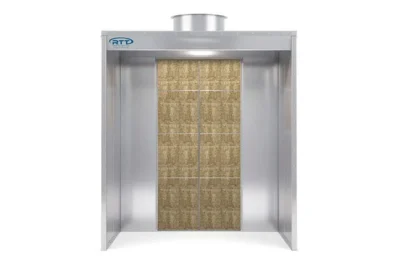
Open Front
- Industrial Paint Booths
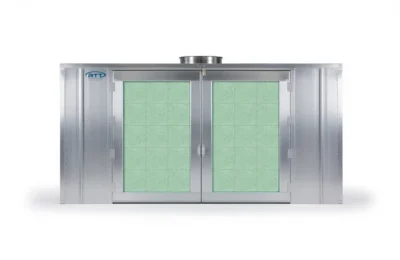
Enclosed
- Industrial Paint Booths
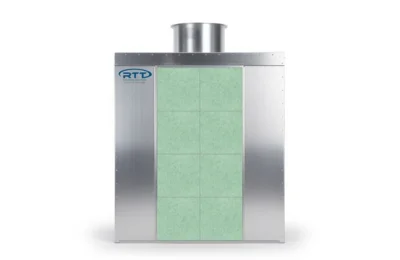
Industrial Exhaust Chamber
- Industrial Paint Booths
Crossdraft
- Large Equipment Paint Booths
Downdraft
- Large Equipment Paint Booths
Modified Downdraft
- Large Equipment Paint Booths
Side Downdraft
- Large Equipment Paint Booths
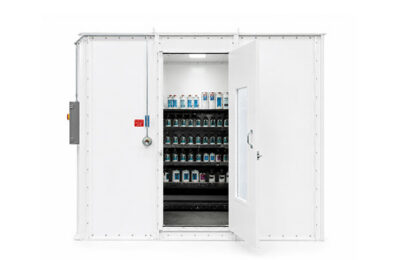
Industrial Paint Mixing Room
- Preparation Equipment
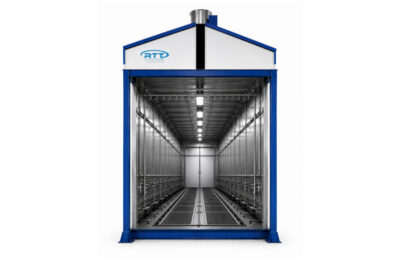
Multi-Stage Process Washer
- Preparation Equipment
Wash Booth
- Preparation Equipment

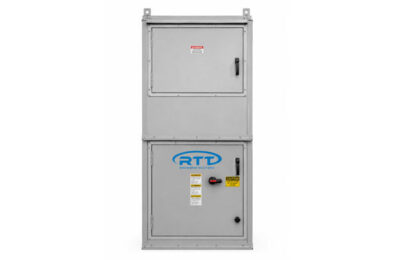
CT Series
- Air Makeup Units
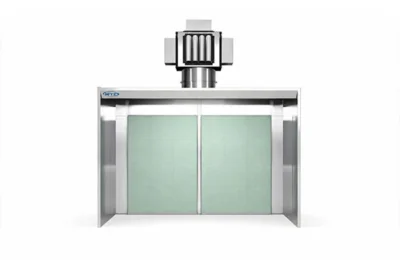
Batch
- Powder Coating Booths
Cartridge Batch
- Powder Coating Booths
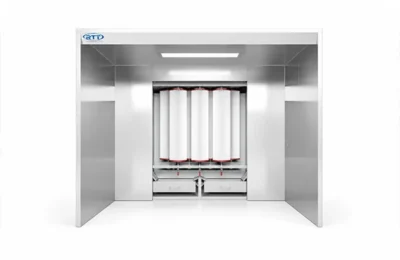
Pass Through
- Powder Coating Booths
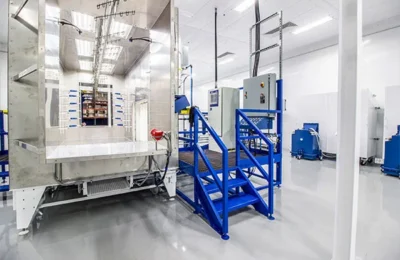
FilterLoc Paint Booth Seal
- Accessories
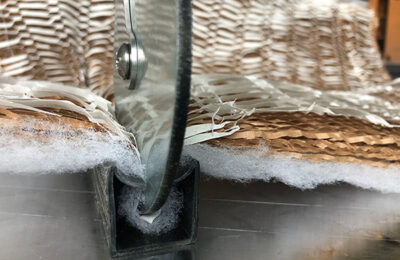
Ductwork
- Accessories
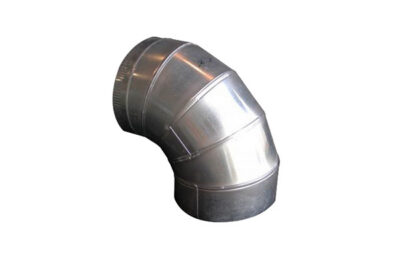
Filter Monitoring System
- Controls
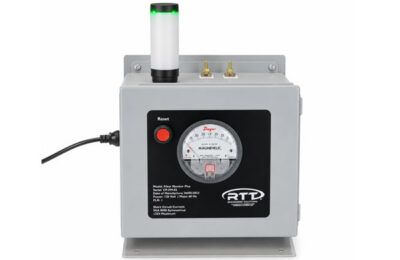
UL Listed Standard
- Control Panels
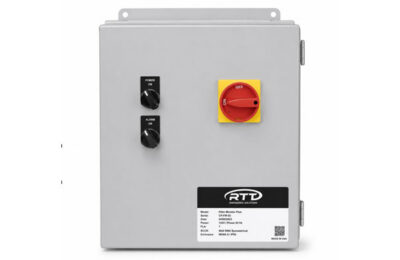
Magnetic Motor Starter
- Control Panels
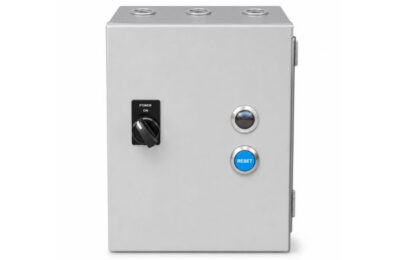
SmartTouch Touchscreen
- Control Panels
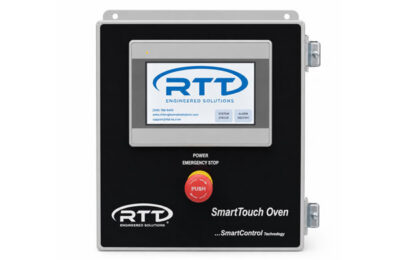
Variable Frequency Drive
- Control Panels

E-light LED Lighting
- Accessories