Automotive
Navigate the risks of automotive spray painting and powder coating with practical guidance on worker safety, air quality, and compliance standards. Explore industry best practices and RTT Finishing Solutions’ systems engineered for reliable, compliant performance.
Paint and Powder Coating in the Automotive Industry
Walk into a busy automotive body shop or finishing facility and your senses are immediately engaged. The hiss of a spray gun, the sharp tang of solvents in the air, the shimmer of a freshly coated panel catching the light. These environments are where raw steel and aluminum are transformed into the gleaming surfaces drivers admire but behind that visual payoff lies a complex web of chemical processes, industrial engineering, and regulatory obligation that most people never consider.
This article explores the major coating processes used in automotive manufacturing and refinishing, how facilities manage the airborne hazards they generate, and the very real health and compliance stakes involved when that management falls short.
From the Factory to the Body Shop: Two Worlds of Automotive Coating
Before diving into specific processes, it helps to understand that automotive coating happens in two fundamentally different environments: original equipment manufacturer (OEM) assembly plants and aftermarket refinishing shops. The scale, chemistry, and regulatory pressure differ substantially between them, though many of the underlying hazards are the same.
OEM plants apply coatings to new vehicles on massive, largely automated production lines. A typical new vehicle passes through five or more distinct coating stages electrocoating, primer surfacer, basecoat, clearcoat, and sometimes additional specialty treatments before it rolls off the line. These facilities invest heavily in purpose-built spray booths, robotic applicators, and industrial-scale exhaust treatment systems.
Refinishing shops, by contrast, vary from large collision repair centers to small independent garages. They work on a vehicle-by-vehicle basis, often using conventional or high-volume low-pressure (HVLP) spray equipment, and operate under tighter resource constraints. The chemistry they work with is largely the same as that in OEM plants, but the engineering controls around it may be considerably more modest.
Major Coating Processes in Automotive Applications
Liquid Spray Painting
Spray painting remains the dominant finishing method across both segments of the industry. The basic principle hasn’t changed much in a century paint is atomized into fine droplets and propelled onto a surface, but the formulations and equipment have evolved considerably.
Solvent-borne coatings were for decades the industry standard. They deliver excellent flow, gloss, and durability, but they contain high concentrations of volatile organic compounds (VOCs) the chemical backbone of many air quality regulations. Traditional lacquers and single-stage enamels fall into this category. While still used in some refinishing contexts, their market share has declined sharply as regulatory pressure has mounted.
Waterborne basecoats have largely replaced solvent-borne systems in OEM plants across North America and Europe, and increasingly in professional refinishing as well. Water replaces much of the organic solvent as the carrier medium, dramatically reducing VOC emissions. The tradeoff is longer flash times and greater sensitivity to temperature and humidity during application, which is why waterborne booths often incorporate heating and air circulation systems to accelerate drying.
Two-component (2K) urethane systems are the workhorse of professional refinishing. A 2K clearcoat or topcoat consists of a resin component mixed with an isocyanate hardener immediately before use. The chemistry produces exceptionally durable, chemical-resistant films which is why nearly every modern collision repair ends with a 2K clearcoat. But isocyanates are also among the most significant occupational respiratory hazards in the finishing trades, a point we’ll return to in depth.
High-solid and low-VOC formulations represent the industry’s ongoing effort to reconcile performance with environmental compliance. By increasing the proportion of film-forming solids and reducing solvent content, manufacturers have produced coatings that meet increasingly stringent VOC limits without fully abandoning organic chemistry.
Powder Coating
Powder coating takes an entirely different approach. Rather than suspending pigment and resin in a liquid carrier, powder coating uses finely ground particles of resin and pigment applied electrostatically and then cured under heat. The absence of liquid solvent means powder coating emits essentially no VOCs during application a significant environmental and regulatory advantage.
The process works like this: metal parts are grounded electrically, and the powder gun imparts an electrostatic charge to the particles as they exit the nozzle. The charged particles are attracted to the grounded workpiece and adhere uniformly to its surface. The coated part then passes through a curing oven — typically at temperatures between 160°C and 200°C — where the powder melts, flows, and cross-links into a continuous, hard film.
In automotive manufacturing, powder coating is used extensively for underbody components, wheels, chassis parts, brackets, and other structural elements where corrosion resistance and mechanical toughness matter more than color-matching flexibility. It is less commonly used for exterior body panels in OEM applications, primarily because achieving the ultra-smooth Class A surface finish required for exterior paintwork is more technically challenging with powder than with liquid systems though advances in powder technology are gradually narrowing that gap.
Electrocoating (e-coat) is a related process and the most widely used primer system in automotive OEM manufacturing. In e-coating, the entire vehicle body is submerged in a tank containing a water-based paint emulsion, and electrical current is applied to deposit the coating uniformly across all surfaces including interior cavities that spray guns cannot reach. E-coat provides the foundational corrosion protection layer on virtually every new vehicle produced today.
The Human Cost: Health Risks to Workers
The engineering controls described above exist because the occupational health stakes in finishing environments are genuinely serious. Several classes of hazard deserve specific attention.
Isocyanates: The Primary Respiratory Threat
Isocyanates are the hardener component in 2K polyurethane coatings and are widely considered the leading occupational cause of work-related asthma in industrialized countries. When 2K clearcoats and primers are sprayed, isocyanate molecules become airborne in both vapor and aerosol form. Inhalation can cause sensitization a permanent immunological response after which even trace exposures can trigger severe asthmatic attacks.
What makes isocyanates particularly dangerous is that sensitization can occur at concentrations below the limits of detection by most workplace monitoring methods, and the consequences are irreversible. Once a worker is sensitized, there is no safe level of isocyanate exposure that can be tolerated occupationally. This effectively means the end of work in environments where isocyanates are present a serious career-ending outcome that is entirely preventable with proper controls.
Regulatory exposure limits for isocyanates are set at very low levels — OSHA’s ceiling limit for methylene diisocyanate (MDI) is 0.02 ppm, while NIOSH recommends a ceiling of 0.02 mg/m³ for all isocyanates. In practice, supplied-air respirators (SARs) providing a continuous or pressure-demand flow of clean air are the only respiratory protection considered adequate for isocyanate spray operations.
Volatile Organic Compounds and Solvents
Solvent vapors from paints, thinners, and reducers cause a range of acute and chronic health effects. Acute high-level exposure to common paint solvents toluene, xylene, ethylbenzene, acetone, methanol, and others causes dizziness, headache, nausea, and impaired cognitive function. Chronic lower-level exposure has been associated with peripheral neuropathy, liver and kidney damage, and, for some solvents, increased cancer risk.
The shift toward waterborne coatings and high-solids formulations has reduced average VOC exposure levels in automotive painting, but solvent exposure remains a real concern, particularly in shops with inadequate ventilation.
Metallic Particulates and Pigments
Sanding and grinding operations generate significant quantities of fine metallic dust from body filler, primer, and substrate materials. Some legacy coatings and bodywork materials contained lead, chromium, and other heavy metals that remain present in older vehicles and require precautions during repair. Isocyanate-free hardeners sometimes contain other sensitizing agents such as amines.
Powder coating processes can generate fine polymer and pigment dust during application. While powders used in automotive applications are generally not acutely toxic, fine-particle inhalation carries its own long-term respiratory burden.
Thermal Decomposition Products
When coatings are cured at elevated temperatures, thermally sprayed, or subjected to welding or grinding near painted surfaces, thermal decomposition of coating materials can produce formaldehyde, acrolein, carbon monoxide, and other toxic byproducts. Facilities must account for these hazards in both their process design and their emergency response procedures.
The Regulatory Framework: What Compliance Actually Requires
Automotive finishing operations sit at the intersection of multiple overlapping regulatory frameworks, each addressing a different facet of the hazard picture.
Air Quality: EPA and State-Level VOC Regulations
The U.S. Environmental Protection Agency’s National Emission Standards for Hazardous Air Pollutants (NESHAP) include specific rules for automotive surface coating operations, both at the OEM level (40 CFR Part 63, Subpart IIII) and for refinishing shops (40 CFR Part 63, Subpart HHHHHH). The refinishing rule, which applies to shops with actual HAP emissions above specified thresholds, mandates the use of compliant coatings and the operation of spray booths with functioning exhaust systems.
At the state level, regulations often go further than federal minimums California’s South Coast Air Quality Management District, for instance, has some of the most stringent VOC content limits for automotive coatings in the world, effectively dictating product formulations sold in that market.
For powder coating operations, the absence of solvent-borne VOC emissions means they generally face lighter air quality regulatory burdens, though particulate emission controls and oven exhaust management remain relevant.
Worker Safety: OSHA Standards
OSHA regulates airborne chemical exposures in automotive finishing through the General Industry standards and, where applicable, the Construction standards for body shops doing restoration work. Key regulatory requirements include:
The Hazard Communication Standard (29 CFR 1910.1200) requires that workers have access to safety data sheets for all chemical products used, that containers are labeled, and that workers receive training on chemical hazards.
Permissible Exposure Limits (PELs) establish legally enforceable airborne concentration limits for specific chemicals, including solvents, isocyanates, and metal compounds. OSHA’s PELs for many substances are widely criticized as outdated NIOSH Recommended Exposure Limits (RELs) and ACGIH Threshold Limit Values (TLVs) are often considerably lower and better reflect current health evidence. Responsible employers use these more protective benchmarks.
The Respiratory Protection Standard (29 CFR 1910.134) requires a written respiratory protection program, medical evaluation of workers who use respirators, fit testing for tight-fitting respirators, and training. For isocyanate spray operations, supplied-air respirators rather than air-purifying half-masks are the appropriate selection.
NFPA 33, the Standard for Spray Application Using Flammable or Combustible Materials establishes fire safety requirements for spray finishing facilities, including electrical classification of spray booth interiors and the prohibition of ignition sources within defined distances of spray areas.
What Good Practice Looks Like
Across all these processes and regulatory requirements, a coherent picture emerges of what responsible operations do to manage coating-related hazards effectively.
They invest in properly designed, maintained, and verified ventilation. A spray booth is only as good as its airflows, its filters, and its exhaust system, all of which require regular inspection, testing, and replacement. Booth pressure differentials should be checked regularly. Filter change intervals should be based on actual pressure drop readings rather than calendar schedules alone.
They select coating products with both performance and hazard profile in mind. Where waterborne or low-VOC alternatives meet performance requirements, responsible operations use them. The industry’s gradual migration away from high-VOC solvent-borne products has been driven in part by regulatory compliance cost avoidance, but in part also by genuine recognition that reducing chemical hazard exposure is the right thing to do.
They provide workers with appropriate respiratory protection and critically, they verify that it fits, that workers know how to use it, and that the program is actually managed rather than existing only on paper. The rate of respiratory sensitization and occupational asthma in automotive finishing workers is directly correlated with the quality of respiratory protection programs.
They conduct air monitoring. Periodic measurement of airborne concentrations of key contaminants isocyanates, VOCs, particulates provides objective evidence of whether controls are working and where additional measures may be needed.
And they train workers not just on the mechanics of using PPE, but on why it matters, what the actual health consequences of inadequate protection are, and how to recognize early symptoms of chemical exposure. Workers who understand the stakes are more likely to use controls consistently, even when supervision is absent and shortcuts are tempting.
RTT Solutions for the Automotive Industry
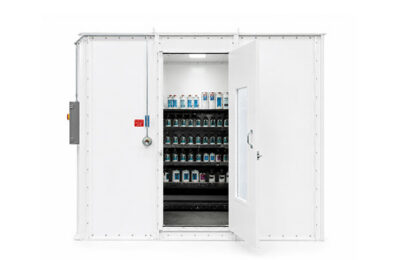
Automotive Paint Mixing Room
- Preparation Equipment
Crossdraft
- Large Equipment Paint Booths
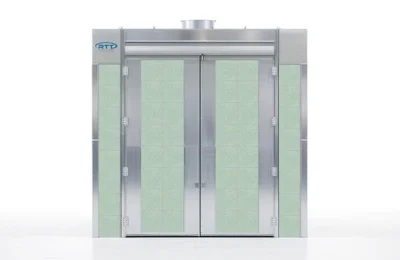
CT Series
- Air Makeup Units
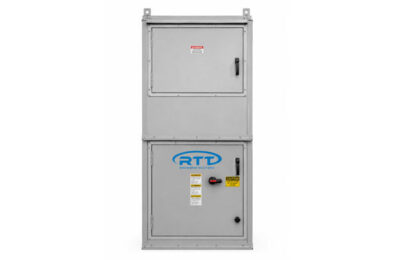
Downdraft
- Large Equipment Paint Booths
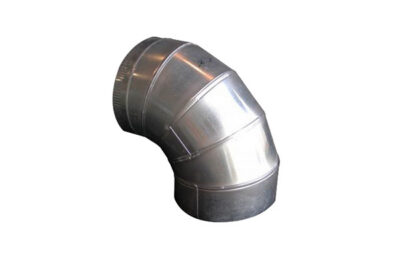
Ductwork
- Accessories
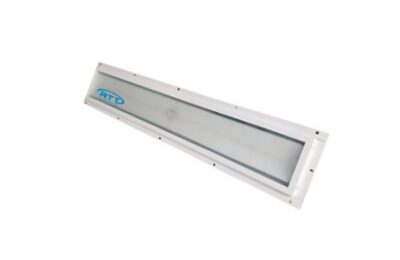
E-light LED Lighting
- Accessories
EZ Classic Crossdraft
- Automotive Paint Booths
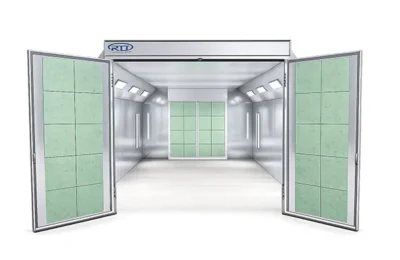
EZ Modified Downdraft
- Automotive Paint Booths
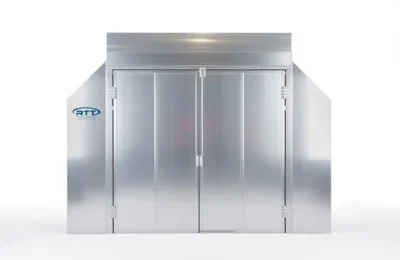
EZ Pit Downdraft
- Automotive Paint Booths
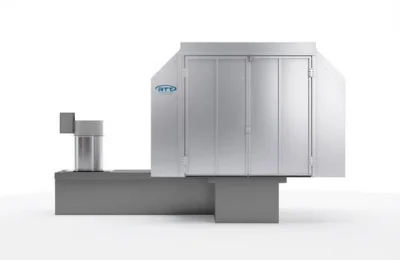
EZ Side Downdraft
- Automotive Paint Booths
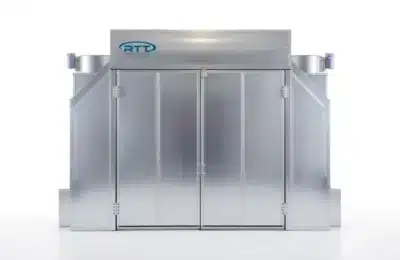
Filter Monitoring System
- Controls
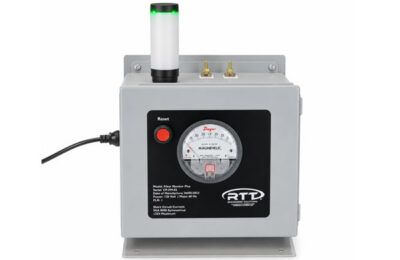
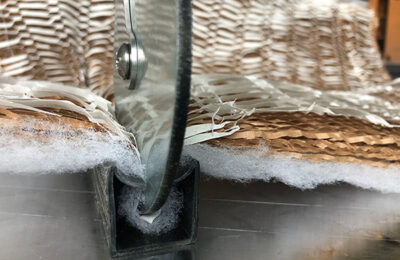
FilterLoc Paint Booth Seal
- Accessories
Finishing Prep Station
- Preparation Equipment
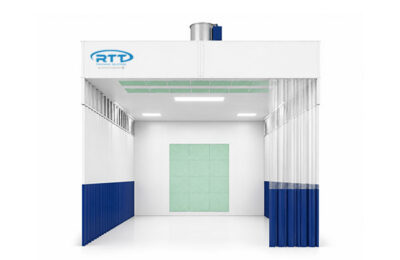
Modified Downdraft
- Large Equipment Paint Booths
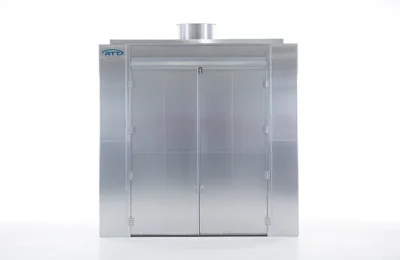
Open Front
- Industrial Paint Booths
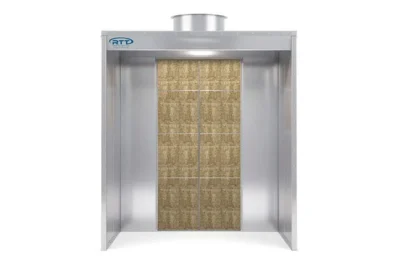
Side Downdraft
- Large Equipment Paint Booths
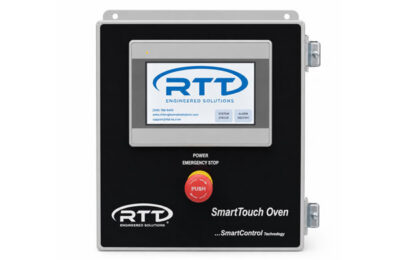
SmartTouch Touchscreen
- Control Panels
UL Listed Standard
- Control Panels
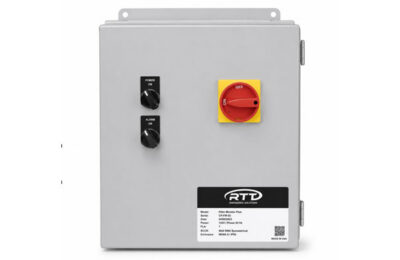
Variable Frequency Drive
- Control Panels
