Woodworking
Spray Finishing and Coating in the Woodworking Industry
The finish on a piece of furniture or cabinetry is often the last thing a buyer consciously notices — and the first thing they unconsciously judge. A smooth, even sheen on a kitchen cabinet door, the warm depth of an oil-rubbed tabletop, the crisp painted finish on a custom built-in: these surfaces signal quality before a hand ever touches the wood beneath them. What buyers rarely consider is what went into creating those surfaces — the chemistry of the finish materials, the skill of application, the ventilation systems moving air through the finishing room, and the occupational hazards navigating every step of that process.
Wood finishing is one of the oldest coating trades, practiced in forms recognizable today for centuries. But the modern woodworking finishing operation — whether a one-person custom cabinet shop or a high-volume flat-panel furniture manufacturer running automated finishing lines — works with a chemistry portfolio that has transformed dramatically over the past five decades. Nitrocellulose lacquers, conversion varnishes, catalyzed coatings, two-component polyurethanes, waterborne systems, UV-cure finishes, and powder coatings for wood substrates all appear in the contemporary wood finishing landscape. Each brings its own performance characteristics and its own occupational hazard profile.
The woodworking industry also carries a hazard that distinguishes it from most of the other finishing industries examined in this series: the substrate itself is a significant airborne health concern. Wood dust — generated in abundance during machining, sanding, and surface preparation operations that are integral to woodworking — is both a respiratory hazard and, for certain wood species, a confirmed human carcinogen. Managing wood dust and finish chemical exposures simultaneously, often in small-shop environments with limited resources for engineering controls, is the central occupational health challenge in wood finishing.
This article examines the primary coating and finishing processes used across the woodworking industry, the ventilation and containment systems designed to manage airborne hazards, and the health and compliance obligations that govern this sector of industrial finishing.
The Wood Finishing Environment: From Cabinet Shops to Automated Lines
Wood finishing operations exist across a spectrum of scale and sophistication that is wider than in almost any other coating industry. At one end, a single-person custom furniture maker applies oil finishes by hand in a garage workshop. At the other, a flat-panel furniture manufacturer runs automated finishing lines where medium-density fiberboard (MDF) panels pass through UV-cure coating stations at hundreds of panels per hour without a human hand touching them between loading and unloading. Between these extremes lies a vast middle ground: custom cabinet shops ranging from five to fifty workers, millwork producers finishing architectural woodwork for commercial buildings, flooring manufacturers running high-volume coating operations on hardwood strip flooring, door and window manufacturers applying primed finishes to wood and composite frames, and musical instrument makers applying dozens of thin lacquer coats over weeks to achieve the specific acoustic and aesthetic properties their customers require.
The substrate diversity in woodworking adds a layer of finishing complexity not present in metalworking contexts. Solid wood species vary enormously in grain structure, porosity, extractive content, and surface chemistry — factors that all affect finish adhesion, absorption, and appearance. Softwoods such as pine and fir present different finishing challenges than open-grained hardwoods such as oak or ash, which differ again from close-grained species such as maple or cherry. Engineered wood products — MDF, particleboard, plywood, oriented strand board, and laminated veneer lumber — each have their own surface characteristics affecting finish selection and application parameters. Composite and PVC substrates used alongside wood in contemporary millwork and cabinetry add further substrate diversity to the finishing operation.
This diversity of scale, substrate, and application context means that no single ventilation strategy, coating chemistry, or regulatory approach fits all wood finishing operations. What does hold across all of them is the fundamental reality that applying liquid coatings by spray, and sanding wood surfaces before and between coats, creates airborne hazards that require systematic management.
Wood Finishing Systems and Their Chemistry
Nitrocellulose Lacquers
Nitrocellulose lacquer is the historic foundation of the wood finishing industry and remains in wide use today, particularly in custom furniture, cabinetry, and musical instrument finishing. Nitrocellulose — cellulose that has been treated with nitric acid to introduce nitrate ester groups — dissolves readily in ketone and ester solvents to form fast-drying, clear or pigmented lacquer films that sand easily, buff to high gloss, and can be repaired by application of fresh lacquer that dissolves into and bonds with the existing film. These properties made nitrocellulose lacquer the dominant wood finishing material from the 1920s through the 1980s, and its ease of use and repairability continue to make it the finish of choice in many custom shop environments.
The limitations of nitrocellulose lacquer are equally well established. The dry film is thermoplastic — it softens under heat and can be dissolved by solvents, making it unsuitable for surfaces exposed to hot pots, alcoholic beverages, or household cleaning chemicals. Film thickness limitations mean that multiple coats are required to achieve the build needed for furniture-quality surfaces. And its solvent content is high: typical nitrocellulose lacquers contain 70 to 85 percent solvent by volume, consisting primarily of ketones (acetone, methyl ethyl ketone), esters (ethyl acetate, butyl acetate), and aromatic hydrocarbons (toluene) that evaporate rapidly during and after application, generating substantial VOC emissions and creating fire and explosion hazards in the spray environment.
Nitrocellulose is also inherently flammable — the same chemical reactivity that gives it film-forming properties makes it a fire risk in storage and application, and the combination of nitrocellulose with flammable solvents in an atomized spray creates conditions in the spray zone that demand rigorous electrical classification, grounding, and ignition source exclusion consistent with NFPA 33 requirements.
Pre-Catalyzed and Post-Catalyzed Lacquers
Catalyzed lacquers — sometimes called conversion coatings or conversion varnishes in the woodworking trade — address the durability limitations of nitrocellulose by incorporating acid-catalyzed cross-linking chemistry into the film. Pre-catalyzed lacquers contain an acid catalyst mixed into the lacquer before it reaches the end user; post-catalyzed lacquers require the addition of an acid catalyst by the finisher immediately before use. Both types produce films that cross-link during drying to form a thermoset polymer network significantly harder, more chemical-resistant, and more heat-resistant than nitrocellulose lacquer film.
The cross-linking chemistry in catalyzed lacquers typically involves formaldehyde-releasing compounds — urea-formaldehyde, melamine-formaldehyde, or glycoluril-formaldehyde resins — reacting under acid catalysis to form a cross-linked polymer network. The formaldehyde released during and after application is an occupational inhalation hazard and a classified human carcinogen (IARC Group 1). Formaldehyde concentrations in enclosed spray environments applying catalyzed lacquers can reach multiples of occupational exposure limits in inadequately ventilated spaces, and the irritant properties of formaldehyde — eye, nose, and throat irritation at concentrations above 0.1 ppm — often provide early warning of inadequate ventilation before concentrations reach the more serious health thresholds.
Conversion varnishes — a closely related product category popular in cabinet shop finishing — use similar acid-catalyzed chemistry to produce particularly durable, scratch-resistant films well suited to kitchen cabinetry and other high-demand interior furniture applications. Their formaldehyde-releasing chemistry places them in the same occupational exposure management category as catalyzed lacquers.
Two-Component Polyurethane and Acid-Cure Finishes
Two-component polyurethane finishes — combining a polyol or acrylic polyol resin with an isocyanate hardener — are used in wood finishing where maximum durability, chemical resistance, and UV stability are required. High-end furniture, bar tops, commercial flooring, and exterior architectural woodwork are common applications where the performance advantages of two-component polyurethane systems justify the additional handling complexity and cost compared to single-component alternatives.
The isocyanate hardeners in two-component polyurethane wood finishes present the same occupational respiratory sensitization hazard as in aerospace, automotive, marine, and railway coating applications. The specific isocyanates used in wood finishing two-component systems include both aliphatic types (HDI, IPDI) for exterior and UV-stable applications and aromatic types (TDI, MDI) in some interior application systems — the aromatic isocyanates are more volatile and generally considered more hazardous than aliphatic types, adding urgency to respiratory protection requirements in shop environments where aromatic isocyanate-containing finishes are used.
Acid-cure or Swedish finishes — based on acid-catalyzed alkyd or urea-alkyd chemistry — occupy a similar performance tier to two-component polyurethanes for hardwood floor finishing and are used extensively in flooring refinishing operations. These systems cure through acid-catalyzed condensation reactions and release formaldehyde during cure, presenting formaldehyde inhalation hazards that require attention in enclosed finishing environments.
Waterborne Wood Finishes
Waterborne finishes — in which water replaces the majority of organic solvent as the carrier medium — have grown from a marginal share of the wood finishing market in the 1980s to a major and in some applications dominant position today, driven by VOC regulations, workplace solvent exposure reduction goals, and improving product performance. Waterborne acrylic, waterborne polyurethane, and waterborne acrylic-polyurethane hybrid finishes are available across the full range of sheen levels and performance tiers for both spray and wipe-on application.
Modern waterborne wood finishes have largely closed the performance gap with their solvent-borne counterparts in interior furniture and cabinet applications, and they offer genuine advantages in production environments: dramatically lower VOC emissions and solvent vapor concentrations in the spray environment, reduced fire risk from the near-absence of flammable solvent, and simpler waste management for overspray and equipment cleaning. The trade-offs — longer dry times between coats, greater sensitivity to application temperature and humidity, and the tendency of waterborne finishes to raise wood grain on initial coats, requiring additional sanding steps — are manageable in a well-organized production workflow and have become well understood by experienced waterborne finishers.
Waterborne finishes are not hazard-free, however. The coalescent solvents used to promote film formation in waterborne systems — glycol ethers, texanol, and similar compounds — are present at concentrations lower than the solvent content of solvent-borne systems but represent real inhalation and dermal hazards in spray environments. Some waterborne finishes contain biocides to prevent microbial growth in the water-based formulation that are respiratory or dermal sensitizers. And waterborne two-component polyurethane systems — which achieve the performance of solvent-borne two-component polyurethanes with substantially reduced VOC content — retain the isocyanate hardener component and all of the respiratory sensitization hazard associated with it.
UV-Cure Coatings
Ultraviolet-cure coatings represent the most significant technological advance in high-volume wood finishing over the past three decades. In UV-cure systems, liquid coating formulations containing photoinitiators and reactive monomers and oligomers are applied to the wood surface and then exposed to high-intensity UV radiation — from medium-pressure mercury arc lamps, iron- or gallium-doped mercury arc lamps, or LED UV arrays — which triggers rapid free-radical or cationic polymerization of the coating film, converting it from liquid to solid in a fraction of a second.
The advantages of UV-cure technology for high-volume wood finishing are compelling. Cure times measured in seconds rather than minutes or hours enable production line speeds and throughput unachievable with thermally dried or chemically crosslinked systems. The absence of solvent in most UV-cure formulations eliminates VOC emissions from the evaporation phase of coating application — UV-cure coatings are typically greater than 95 percent solids by weight, compared to 15 to 30 percent solids for solvent-borne lacquers. This near-total elimination of solvent emissions makes UV-cure technology attractive from both regulatory compliance and workplace exposure perspectives.
UV-cure coatings present their own occupational hazard profile, however. The reactive monomers and oligomers in uncured UV coating formulations — particularly acrylate monomers such as hexanediol diacrylate (HDDA), tripropylene glycol diacrylate (TPGDA), and trimethylolpropane triacrylate (TMPTA) — are potent skin sensitizers and irritants. Acrylate sensitization can occur through skin contact alone, and sensitized individuals may subsequently develop reactions to acrylate-containing products in other contexts, including dental composites and adhesive products. UV radiation exposure from unshielded or inadequately shielded lamp systems presents a separate hazard: UV-B and UV-C radiation from the mercury arc lamps used in industrial UV curing causes photokeratitis (arc eye) and photodermatitis from even brief unshielded exposure.
Stains, Dyes, Sealers, and Fillers
The finishing process for most wood products involves multiple material categories beyond the topcoat system. Stains — solvent-borne or waterborne colorants applied to enhance or modify the natural wood color — precede the topcoat application and add solvent exposure during the staining phase. Grain fillers used on open-grained wood species such as oak, ash, and walnut fill the open pores in the wood surface to create a smooth topcoat substrate; many grain fillers are solvent-borne and generate significant vapor exposure during application and wiping. Sanding sealers — first-coat materials designed to seal the wood grain and provide a sanding base for topcoats — are present in essentially every multi-coat wood finishing system and contribute their own solvent or waterborne carrier emissions to the overall finishing environment exposure picture.
Oils and waxes — linseed oil, tung oil, danish oil blends, beeswax, and carnauba wax — are used in traditional and artisan wood finishing contexts. While generally lower in acute toxicity than the catalyzed and isocyanate-containing systems used in production finishing, oil finishes based on drying oils have their own hazard: oil-soaked rags are a significant spontaneous combustion risk, and several fatal fires in woodworking businesses have been attributed to improper disposal of oil-saturated finishing rags left in piles or bins rather than spread flat or stored in water-filled sealed containers as fire safety protocols require.
Spray Finishing Processes in Woodworking
HVLP Spray Application
High-volume low-pressure (HVLP) spray equipment is the dominant application method in custom and mid-size woodworking finishing operations. HVLP guns atomize coating materials using high air volume at reduced atomizing pressure — typically below 10 psi at the air cap — producing a softer, slower spray pattern that deposits on the target surface with high transfer efficiency and reduced overspray bounce-back compared to conventional high-pressure air spray. Transfer efficiencies of 65 to 75 percent are typical for HVLP application, substantially exceeding the 25 to 40 percent of conventional air spray and directly reducing the quantity of airborne overspray requiring containment and the volume of coating material wasted to the atmosphere.
HVLP equipment is well suited to the relatively low-viscosity finishing materials used in wood finishing — lacquers, waterborne finishes, stains, and sealers all atomize effectively at HVLP pressures. For higher-viscosity materials such as high-build primers, thick gel stains, or heavily loaded pigmented coatings, air-assisted airless or gravity-feed conventional spray may provide better atomization. In many production cabinet shops, HVLP turbine systems — self-contained units that generate their own high-volume air supply — are preferred over compressor-fed HVLP guns for their portability and the consistently dry, warm air they supply to the spray gun regardless of compressed air system conditions.
Airless and Air-Assisted Airless Spray
Airless spray is used in woodworking primarily for application of high-build primer surfacers, thick polyurethane coatings, and in large commercial millwork operations where production speed demands the higher fluid delivery rates of airless equipment. The fine aerosol generated by airless spray at high hydraulic pressures creates denser mist concentrations in the spray zone than HVLP application of the same material — a factor that increases the importance of adequate booth ventilation when airless spray is used with isocyanate-containing or other high-hazard finishing materials in woodworking contexts.
Air-assisted airless systems are gaining ground in production woodworking finishing as a compromise between the film quality of HVLP and the throughput of pure airless spray. For production-speed application of catalyzed lacquers, conversion varnishes, and waterborne topcoats on cabinet door panels and flat components, AAA systems provide the fluid delivery rate and atomization quality needed for high-throughput production while maintaining a finish quality suitable for furniture and cabinetry applications.
Automated and Robotic Flat-Line Finishing
High-volume flat-panel finishing operations — serving kitchen cabinet manufacturers, furniture component producers, and architectural panel suppliers — use automated flat-line systems where panels travel on conveyor systems through sequential application and cure stations. Spray application stations use fixed reciprocating or oscillating spray guns, or robotic spray arms, to apply stain, sealer, and topcoat layers as panels pass through. UV-cure stations cure each applied coat in seconds under high-intensity lamp arrays before the panel advances to the next application station.
Automated flat-line finishing represents the highest-control finishing environment in the woodworking industry from an airborne hazard management perspective. The application stations are enclosed, ventilated, and largely inaccessible to workers during operation. Spray zones are isolated from the rest of the facility. UV cure stations are shielded from worker exposure. The primary worker exposures in automated flat-line operations occur during system maintenance, jam clearing, quality inspection, and changeover operations rather than during normal production runs — a pattern that demands maintenance-specific hazard assessments and procedures rather than relying on the production controls alone.
Conventional Air Spray for Custom and High-Gloss Work
Conventional air spray with a standard suction-feed or pressure-feed gun remains in use in custom furniture, architectural millwork, and musical instrument finishing where specific finish characteristics — the ability to lay out a very wet, level coat for high-gloss piano finishing, or precise control of color blending in guitar sunburst finishes — are best achieved with conventional spray technique. The lower transfer efficiency of conventional spray compared to HVLP makes it less appropriate as a general-purpose production finishing method from both economic and environmental perspectives, but for specialized applications where finish quality parameters cannot be fully achieved by HVLP, it retains a role.
Piano finishing, in particular, represents an extreme case of high-gloss wood finishing that involves dozens of lacquer coats applied and sanded over extended production cycles to achieve the mirror-smooth, deeply reflective surfaces characteristic of quality piano cases. The cumulative solvent vapor and lacquer aerosol exposure over a piano finishing production cycle is substantial, and the finishing environments of piano manufacturers require ventilation engineering appropriate to the continuous high-volume lacquer application involved.
Powder Coating on Wood Substrates
The Technical Challenge of Powder Coating Wood
Powder coating on wood substrates was, until relatively recently, considered a contradiction in terms. Conventional thermoset powder coatings require oven cure temperatures of 160°C to 200°C — well above the temperature at which most wood substrates would char, degrade, or release moisture-driven steam that disrupts the powder film. The electrostatically charged powder application process requires a conductive substrate, and dry wood is a poor electrical conductor.
Both of these barriers have been addressed by technical innovations that have made powder coating on wood a growing production reality. Low-temperature cure powder formulations — using UV-initiated or specially designed thermally-activated chemistries that cure at 110°C to 130°C — have extended powder coating to MDF and other engineered wood substrates without substrate damage. Pre-heating of MDF substrates in a forced-air oven before powder application raises the surface temperature and moisture content to levels that provide adequate conductivity for electrostatic powder adhesion. UV-cure powder coatings — applied electrostatically to a substrate pre-heated to create surface conductivity, then cured by UV exposure rather than thermal treatment — extend powder coating to heat-sensitive wood composites that cannot tolerate even the reduced temperatures of low-temperature cure systems.
Applications and Advantages in Wood Products Manufacturing
MDF is the wood substrate most commonly powder coated in production environments, and kitchen cabinet doors are the highest-volume application. The ability to apply powder coating to routed MDF profiles — including the complex shaped edges of raised-panel door designs — with consistent film thickness and without the sag, run, and bridging defects that challenge liquid coating application on vertical surfaces is a significant production advantage. Powder-coated MDF cabinet doors can achieve Class A surface quality comparable to high-quality spray-applied liquid finishes, with the additional benefits of zero VOC emissions during the cure phase and high transfer efficiency from overspray recovery and recycling.
Furniture components, particularly flat and simply profiled MDF and particleboard parts used in RTA (ready-to-assemble) furniture and office furniture systems, are increasingly powder coated in dedicated production facilities. Window and door frame components in wood-composite and engineered wood constructions are powder coated in some European markets where the technology and supply chain infrastructure for wood powder coating are more developed than in North America.
Hazards Specific to Wood Powder Coating
Powder coating on wood substrates introduces a specific hazard not present in metal powder coating: the combination of combustible wood dust from MDF substrate handling and machining with the combustible polymer powder used for coating creates a particularly challenging combustible dust environment. MDF generates fine wood fiber and resin dust during cutting, routing, and sanding operations, and this dust can contaminate the powder coating application area if workflow and housekeeping are not carefully managed. A mixture of wood dust and coating powder represents a combined explosive and fire hazard that requires the full range of combustible dust management controls — adequate ventilation, dust collection, equipment grounding, and prohibition of ignition sources — applied with attention to both dust types simultaneously.
Acrylate monomers released from UV-cure powder formulations during the cure phase present inhalation and skin sensitization hazards analogous to those of liquid UV-cure coatings. The thermal pre-treatment of MDF substrates before powder application releases formaldehyde from the urea-formaldehyde or melamine-urea-formaldehyde resin binders used in MDF manufacture — a hazard that requires ventilation of the pre-heating oven and the substrate loading and unloading areas adjacent to it.
Surface Preparation: Sanding, Sealing, and the Wood Dust Problem
Wood Dust as an Occupational Hazard
Wood dust is the single most significant occupational health concern in the woodworking industry, and its management runs through every phase of woodworking operation — machining, shaping, sanding, and between-coat preparation — not just the finishing phase. The hazard profile of wood dust depends on the species being worked, the particle size generated by the specific machining operation, and the duration and frequency of exposure. Two broad hazard categories apply:
Certain hardwood dusts — particularly oak, beech, and other hardwoods — are classified as confirmed human carcinogens by IARC (Group 1) and are established causes of sinonasal adenocarcinoma, a rare but particularly aggressive cancer of the nasal cavity and paranasal sinuses. The epidemiological evidence linking hardwood dust exposure to nasal cancer is among the strongest in occupational carcinogen research, with relative risks of 40 to 900 times background incidence documented in heavily exposed wood furniture workers. Softwood dusts and mixed wood dusts are classified as probable (Group 2A) carcinogens. The occupational standard for wood dust in the United States — OSHA’s PEL of 5 mg/m³ for wood dust as a nuisance particulate under the Z-Table — is widely regarded as inadequate to protect against the carcinogenic risk of hardwood dust, and NIOSH’s recommended exposure limit of 1 mg/m³ reflects a substantially more protective standard based on current carcinogenicity evidence.
Beyond cancer risk, wood dust causes occupational asthma through sensitization to wood-specific allergens — compounds extracted from the wood that trigger immune-mediated airway responses. Western red cedar dust is among the most potent occupational respiratory sensitizers identified, causing occupational asthma in a significant proportion of heavily exposed workers. Iroko, mahogany, walnut, and a range of exotic timber species also contain sensitizing agents in their dust. Once sensitized, a worker may react to airborne wood dust concentrations too low to cause symptoms in non-sensitized individuals, and the sensitization is generally irreversible.
Sanding Between Coats
Between-coat sanding — necessary in multi-coat wood finishing to level raised grain, remove dust nibs, and promote inter-coat adhesion — generates fine particulate from both the wood substrate and the partially cured coating film being abraded. The hazard profile of this dust depends on the coating system: sanding of nitrocellulose lacquer generates lacquer-containing dust with solvent residues; sanding of catalyzed lacquer generates particles containing formaldehyde-cross-linked resin; sanding of UV-cured coating generates acrylate-containing particles that may carry unreacted monomer residues if the coating was not fully cured.
Orbital sanders, belt sanders, and wide-belt drum sanders used in production woodworking generate dust at rates that can overwhelm inadequate dust collection systems rapidly. In finishing rooms where between-coat sanding is performed by hand or portable orbital sander, the integration of dust collection with the sanding operation — through vacuum-backed sanding pads that capture dust at the source before it can become airborne — is both a quality measure (removing dust before it can settle back onto the wet finish) and an occupational health control.
Abrasive Blasting and Surface Pretreatment
While abrasive blasting is not a standard wood surface preparation method, compressed air blowing to remove sanding dust and fine abrasive paper cleaning of wood surfaces are routine in finishing operations and can generate brief but intense airborne dust pulses. Compressed air blowing of wood parts to remove sanding dust is an ineffective dust control measure that redistributes dust into the shop atmosphere; vacuum cleaning and tack cloth wiping are preferred methods that capture rather than disperse the dust generated by sanding operations.
Containing Fumes and Airborne Pollutants in Wood Finishing Operations
Spray Booths for Wood Finishing: Design and Requirements
The spray booth is the primary engineering control for both airborne finish material exposure and fire and explosion hazard management in wood finishing operations. Woodworking spray booths differ from metal finishing spray booths in several important respects: wood dust accumulated in a spray booth — tracked in on workpieces or generated by sanding operations adjacent to the booth — adds a combustible solid component to the flammable vapor environment, requiring more rigorous housekeeping than booths used exclusively for metal substrate finishing. The lower substrate thermal mass of wood compared to metal also means that wood finishing booths often do not require the heated air supply systems used to accelerate drying in automotive refinishing contexts, though climate-controlled supply air is important for waterborne finish application where humidity affects drying behavior.
Downdraft spray booths provide the best airflow pattern for wood finishing — supply air from ceiling plenums moves downward through the work zone, carrying overspray and solvent vapors away from the finisher’s breathing zone toward the floor exhaust. For cabinet door and flat panel finishing where the workpieces are hung vertically on rolling racks or laid flat on table supports, the downward airflow direction is well matched to the orientation of the spray pattern and the coating deposition. Crossflow booth designs, where supply air enters through the back wall and exhausts through the front, are commonly used in small cabinet shops and provide adequate performance for most woodworking applications when properly sized for the volume of finishing material being applied.
Face velocity at the spray booth opening is the primary performance parameter for worker exposure protection. OSHA and NFPA 33 specify minimum face velocities for spray booths; for wood finishing booths applying flammable coating materials, a minimum face velocity of 100 feet per minute (0.5 meters per second) at any open working face is the standard minimum, with higher velocities warranted for operations applying high-VOC materials or generating high overspray volumes. Filter maintenance is critical to face velocity maintenance: overspray-loaded exhaust filters increase airflow resistance and reduce booth face velocity progressively as they become loaded, potentially degrading worker protection and increasing fire risk from accumulated overspray if filter change intervals are not managed by pressure drop monitoring rather than calendar scheduling.
Exhaust Filtration and VOC Control in Wood Finishing
Spray booth exhaust filtration in wood finishing must handle both overspray particulate and the wood dust that enters the booth on workpieces. Fiberglass media and polyester filter panels capture overspray and dust from the exhaust stream. For high-throughput production facilities applying large volumes of solvent-borne finishes, exhaust air may contain VOC concentrations above regulatory thresholds, requiring treatment before discharge.
VOC control options for wood finishing exhaust streams include:
- Regenerative thermal oxidizers (RTOs) are appropriate for large-scale wood finishing production facilities — kitchen cabinet manufacturers, furniture component producers, and hardwood flooring manufacturers — with consistent high-volume solvent emissions. The mixed organic solvent chemistry of wood finishing exhaust streams — combinations of ketones, esters, aromatic hydrocarbons, and alcohols from lacquer solvents — is well suited to RTO destruction, which achieves near-complete VOC conversion to carbon dioxide and water without concern for the catalyst compatibility issues that affect catalytic oxidizer selection.
- Carbon adsorption systems are appropriate for facilities with intermittent production schedules, where thermal oxidizers would operate inefficiently during production gaps. Carbon beds loaded with recovered solvent can be regenerated or replaced, and the recovered solvent may have reclaimable value depending on composition and purity.
- Transition to compliant low-VOC coating systems is the most fundamental VOC control strategy for facilities that can meet performance requirements with waterborne or UV-cure finishes, eliminating or dramatically reducing solvent emissions at the source rather than treating them in the exhaust stream. Many wood finishing facilities that have successfully transitioned to waterborne or UV-cure production finishing systems have found that source reduction through coating reformulation is more cost-effective in the long run than installing and operating exhaust treatment equipment.
Dust Collection Systems for Woodworking Facilities
Dust collection is the engineering control backbone of wood dust exposure management in woodworking facilities. Central dust collection systems — networks of ducting connecting individual woodworking machines and sanding stations to a central collector — capture wood dust at or near its generation point before it can disperse into the shop atmosphere. Properly designed and maintained dust collection systems are capable of reducing airborne wood dust concentrations in woodworking facilities to levels approaching the NIOSH REL of 1 mg/m³, in contrast to shop environments without dust collection where concentrations of 10 to 50 mg/m³ or higher are routinely measured during active machining.
Cyclone pre-separators remove the bulk of coarser wood chips and shavings from the air stream before it reaches the primary filter, extending filter life and reducing the load on the primary collection stage. Baghouse filters and cartridge collector systems provide fine particulate removal from the cleaned air before recirculation or exhaust. The fire and explosion risk from collected wood dust in collector bins and bags requires attention: spontaneous combustion of accumulated fine dust, particularly in cyclone systems where fine dust is separated and concentrated, is a recognized fire hazard that requires management through prompt removal of collected material, prohibition of hot work near collectors, and installation of spark detection and suppression systems in collector inlet ducts in facilities where incandescent material from grinding or cutting operations could enter the dust collection system.
Ventilation for Small Shops: Practical Realities
The engineering control options available to a large cabinet manufacturer with a purpose-built finishing room and capital for spray booth installation differ fundamentally from those available to a three-person custom furniture shop operating in a shared industrial unit. Small woodworking shops face a practical tension between the ventilation infrastructure required for effective hazard control and the economic constraints that make that infrastructure difficult to justify as a capital investment.
For small shops that cannot justify a full downdraft spray booth, portable spray enclosures, crossflow spray rooms constructed from stud framing and filtered panels, and open-faced filter-wall spray stations provide intermediate levels of engineering control that reduce but do not eliminate exposure. These approaches must be supplemented by respiratory protection — at minimum, a properly fitted half-mask with organic vapor and particulate cartridges for finishing operations with non-isocyanate materials; supplied-air respirators for operations using two-component isocyanate-containing finishes even in small-shop contexts. The temptation to minimize respiratory protection requirements in a small shop because “there’s not that much ventilation needed in a small space” is a common and dangerous misconception: the air volume per worker is not necessarily larger in a small shop than a large one, and the proximity of walls and surfaces to the spray zone in a small space can create higher overspray concentrations than in a larger booth operating at the same face velocity.
Health Risks to Wood Finishing Workers
Wood Dust and Nasal Cancer: The Carcinogenic Hazard
Sinonasal adenocarcinoma — cancer of the nasal cavity and paranasal sinuses — is the occupational cancer most specifically and strongly associated with the woodworking industry. The epidemiological evidence is unambiguous: workers in wood furniture manufacturing with heavy hardwood dust exposure have been documented with relative risks of nasal cancer 40 to 900 times the background rate in general populations. The latency period between initial exposure and cancer diagnosis is typically 30 to 45 years, meaning that workers exposed to hardwood dust at career entry may not manifest disease until decades later and long after retirement, complicating both individual attribution and epidemiological tracking.
The specific wood species most strongly implicated in nasal cancer risk are hardwoods — particularly European beech (Fagus sylvatica) and oak (Quercus spp.), both widely used in furniture manufacturing. However, the regulatory and precautionary standard applied by most occupational health authorities treats all hardwood dust as carrying elevated carcinogenic risk, and mixed woodworking operations handling both hard and softwoods should manage all wood dust exposures with the more protective hardwood-focused standards.
There is no safe exposure level that has been identified for hardwood dust carcinogenicity. OSHA’s current PEL of 5 mg/m³ for wood dust as a nuisance particulate is explicitly not based on carcinogenicity risk — it predates the definitive evidence that emerged from European epidemiological studies in the 1970s and 1980s. NIOSH’s recommended exposure limit of 1 mg/m³ reflects an attempt to reduce but not eliminate excess cancer risk, and some European regulatory limits (including the UK’s WEL of 3 mg/m³ for hardwood dust, moving toward 1 mg/m³) reflect similar precautionary reductions. Even at these limits, residual carcinogenic risk cannot be ruled out, making engineering controls and respiratory protection an ongoing requirement regardless of compliance with formal exposure limits.
Occupational Asthma from Wood and Finish Sensitizers
Occupational asthma is the most common occupational respiratory disease in woodworking, and it can be triggered by sensitization to either wood-specific allergens or finish chemical sensitizers — or both simultaneously, since woodworking exposes workers to both categories of sensitizer concurrently. Western red cedar plicatic acid is the best-characterized wood-specific respiratory sensitizer, but allergenic compounds in iroko, mahogany, walnut, and exotic species such as African zebrawood and cocobolo have also been documented as causes of occupational asthma in woodworkers. Sensitization to a specific wood allergen typically means that affected workers react to that species even at low concentrations but may tolerate other species, though cross-sensitization between related species can occur.
Finish chemical sensitizers in the woodworking environment include isocyanates from two-component polyurethane finishes, acrylate monomers from UV-cure coating systems, formaldehyde from catalyzed lacquers and conversion varnishes, and amine compounds from epoxy-based finishing materials. Each of these sensitizers acts through a distinct immunological mechanism, but the clinical consequence — occupational asthma that persists or worsens with continued exposure and may cause permanent airways disease even after removal from exposure — is similar across all of them.
Formaldehyde Exposure from Catalyzed Coatings and Engineered Wood
Formaldehyde is a confirmed human carcinogen (IARC Group 1) associated with nasopharyngeal cancer and leukemia at occupational exposure levels. In woodworking finishing operations, formaldehyde is released from two sources: the acid-catalyzed cross-linking reactions in catalyzed lacquers, conversion varnishes, and acid-cure finishes during and after application; and the urea-formaldehyde and melamine-formaldehyde resin binders in MDF, particleboard, and plywood substrates, which continue to release formaldehyde throughout the product lifecycle, with release rates elevated by cutting, machining, and heating operations.
OSHA’s PEL for formaldehyde is 0.75 ppm as an 8-hour TWA, with a short-term exposure limit of 2 ppm. At concentrations above 0.1 ppm, formaldehyde causes eye, nose, and throat irritation that is often the first subjective indication of inadequate ventilation in a finishing operation using catalyzed coatings. Facilities where the sharp, acrid odor of formaldehyde is noticeable in the spray room or surrounding areas during finishing operations should treat this as a signal to evaluate ventilation adequacy and measure actual concentrations rather than assuming that irritation-level concentrations are acceptable as long as they are below the OSHA PEL.
Acrylate Sensitization from UV-Cure Coatings
Acrylate monomers in uncured UV-coating formulations are among the most potent occupational skin sensitizers encountered in industrial coating operations. Sensitization can occur through skin contact alone — without inhalation — making splash, splatter, and inadvertent contact during system maintenance, lamp change, and coating application the critical exposure routes. The small molecular size of acrylate monomers allows rapid skin penetration, and sensitization can develop after relatively brief exposure periods in susceptible individuals.
Once sensitized to acrylates, affected individuals may react to a broad range of acrylate-containing products beyond industrial UV coatings — including nail gel products, adhesive dressings, dental composites, and printed circuit board materials — making acrylate sensitization a career-altering and lifestyle-affecting condition. The incidence of occupational acrylate sensitization in UV-cure coating operations is significantly underestimated in the occupational health literature because many affected workers leave the industry without seeking medical attribution of their condition, and because the connection between workplace UV-coating exposure and reactivity to consumer acrylate products is not always recognized by treating dermatologists.
Solvent Encephalopathy and Chronic Neurological Effects
Long-career woodworking finishers who have worked extensively with solvent-borne lacquers, stains, and thinners in inadequately ventilated environments represent a population at risk for the chronic neurological effects of mixed organic solvent exposure. Occupational solvent syndrome — characterized by fatigue, memory impairment, mood disturbance, reduced psychomotor speed, and, in severe cases, peripheral neuropathy — has been documented in populations with high cumulative solvent exposures, including furniture workers. The neurological effects of chronic solvent exposure are largely irreversible once established, with limited recovery even after removal from exposure.
The toluene, xylene, and ketone solvents historically dominant in woodworking lacquer formulations are the primary contributors to solvent-related neurological risk. Toluene, in particular, is a central nervous system depressant at acute concentrations and has been associated with cognitive and cerebellar effects with chronic exposure. The progressive transition to waterborne and high-solids finishing systems in the industry has substantially reduced average solvent exposure levels in production finishing environments, but small shops continuing to use high-VOC solvent-borne lacquers in inadequately ventilated conditions remain at risk.
Contact Dermatitis from Finish Components
Occupational contact dermatitis — both irritant and allergic — is among the most prevalent occupational diseases in woodworking. The combination of skin-irritating solvent exposure, sensitizing wood extractives deposited on skin surfaces during sanding and handling, and sensitizing finish components including epoxy resins, acrylates, and amine hardeners creates a multi-pathway dermatitis risk for woodworking finishers. Hands and forearms are the most commonly affected areas, and the condition ranges from mild, manageable irritation to severe, incapacitating dermatitis that prevents work with any of the sensitizing agents involved.
The management of contact dermatitis in woodworking requires both barrier protection — chemical-resistant gloves appropriate to the specific materials being handled — and systematic avoidance of skin exposure during high-risk operations. The challenge in a production finishing environment is that glove use may be inconsistent — finishers remove gloves to handle workpieces that require tactile feedback during quality assessment, to adjust spray equipment, or simply for comfort during extended wearing periods — creating opportunities for inadvertent skin contact with sensitizing materials even in operations where glove use is nominally required.
Regulatory Compliance in Wood Finishing Operations
EPA Air Emission Standards for Wood Furniture Manufacturers
The EPA’s National Emission Standards for Hazardous Air Pollutants for Wood Furniture Manufacturing Operations — codified at 40 CFR Part 63, Subpart JJ — applies to facilities that produce wood furniture or wood furniture components and emit hazardous air pollutants above specified threshold quantities. Subpart JJ establishes limits on the HAP content of finishing materials, cleaning solvents, and adhesives used in covered operations, with separate limits for topcoats, stains, washcoats, sealers, and other coating categories reflecting the different emission reduction potential across these product types.
Subpart JJ allows facilities to comply through several pathways: using compliant low-HAP finishing materials that meet specified HAP content limits by category; implementing a spray booth and finishing material management plan that demonstrates equivalent emission reductions; or pursuing an add-on control option using exhaust treatment to capture and destroy HAP emissions from non-compliant finishing materials. The material substitution pathway — transitioning to waterborne or other low-HAP finishing systems — has been the dominant compliance approach for most facilities because it achieves compliance without the capital investment and operational cost of add-on control equipment, and because the performance of low-HAP alternatives has improved sufficiently to meet most production quality requirements.
Smaller wood finishing operations that do not manufacture furniture — custom cabinet shops, millwork producers, and flooring installers — are not subject to Subpart JJ but may be regulated under state and local air quality rules that impose VOC content limits or operational requirements on coating operations above defined emission thresholds. The patchwork of state regulations governing small-source wood finishing emissions varies considerably by jurisdiction, with California’s South Coast AQMD rules among the most stringent in the country.
OSHA Standards for Wood Finishing Operations
Wood finishing operations are subject to OSHA General Industry Standards (29 CFR Part 1910) for fixed facilities and Construction Standards (29 CFR Part 1926) for on-site finishing work in construction contexts. The most operationally significant requirements include:
- Formaldehyde Standard (29 CFR 1910.1048): Establishes a PEL of 0.75 ppm as an 8-hour TWA and a STEL of 2 ppm, with an action level of 0.5 ppm triggering monitoring and medical surveillance requirements. Facilities applying catalyzed lacquers, conversion varnishes, or acid-cure finishes must evaluate formaldehyde exposures and implement controls where the action level is exceeded. The standard requires medical surveillance for exposed workers and hazard communication to workers about formaldehyde’s carcinogenicity.
- Respiratory Protection Standard (29 CFR 1910.134): Requires a written program, medical evaluation, fit testing, and training for all workers using respirators. In wood finishing, this encompasses both organic vapor and particulate exposures from lacquer spray and sanding operations, and the more intensive requirements for supplied-air respirators in operations using isocyanate-containing two-component finishes.
- Hazard Communication Standard (29 CFR 1910.1200): Requires current SDS for all chemical products, container labeling, and documented worker training. The diversity of finish materials, solvents, thinners, and cleaning chemicals in a finishing operation requires systematic SDS management and training that addresses the specific chemicals actually in use rather than generic content.
- Wood Dust — General Duty Clause: Where OSHA’s PEL for wood dust (5 mg/m³ as a nuisance particulate) is inadequate to protect against recognized hazards, OSHA may cite employers under the General Duty Clause (Section 5(a)(1)) for failure to provide a workplace free from recognized hazards causing or likely to cause death or serious physical harm. The carcinogenicity of hardwood dust is well established in the scientific literature, and employers who do not take reasonable steps to reduce hardwood dust exposures below the inadequate PEL may face General Duty Clause liability even when they technically comply with the numeric limit.
NFPA Fire and Explosion Safety Requirements
NFPA 33 governs spray application of flammable and combustible finishing materials in woodworking facilities, establishing requirements for spray booth design, electrical classification of spray zones, minimum ventilation rates, filter maintenance, and prohibition of ignition sources. For wood finishing operations using nitrocellulose lacquers — which are both flammable and contain cellulose nitrate, a material with its own combustion energy contribution — the fire and explosion risk management requirements of NFPA 33 carry particular urgency. Nitrocellulose lacquer overspray accumulated in spray booths, on filters, and in exhaust ducts is a documented cause of spray booth fires in woodworking facilities, and the filter maintenance and cleaning requirements of NFPA 33 are specifically designed to prevent this accumulation reaching ignition thresholds.
NFPA 664, the Standard for the Prevention of Fires and Explosions in Wood Processing and Woodworking Facilities, addresses wood dust explosion hazards specifically and comprehensively, covering dust collection system design, duct velocities required to maintain wood dust suspension, fire and spark detection in collection ductwork, and explosion venting for dust collection equipment. Compliance with NFPA 664 is a technical and management challenge for woodworking facilities with complex dust collection systems serving multiple machines across large floor areas.
EPA TSCA Formaldehyde Standards for Composite Wood Products
The EPA’s Formaldehyde Standards for Composite Wood Products, implementing the Formaldehyde Standards for Composite Wood Products Act and codified in 40 CFR Part 770, establish limits on formaldehyde emissions from MDF, particleboard, and hardwood plywood products sold in the United States. While these regulations primarily govern the composite wood product manufacturing industry, they affect wood finishing operations through the formaldehyde content of the engineered wood substrates they use — lower-emitting substrate materials produce lower formaldehyde concentrations in the finishing facility environment during machining and thermal exposure operations. Woodworking finishing facilities using CARB Phase 2 or TSCA Title VI compliant composite wood products benefit from reduced baseline formaldehyde exposure from substrate off-gassing compared to facilities using older, higher-emission substrates.
What Responsible Wood Finishing Operations Do
The woodworking finishing operations that best protect their workers and manage their environmental obligations share a set of practices that span the full range of shop sizes — from single-person operations to large production facilities — because the fundamental hazard management principles do not change with scale even though the specific implementation does.
They treat wood dust collection as a core production system, not an afterthought. Dust collection in well-run woodworking operations is connected to every machine that generates wood dust, operates continuously during production, and is maintained — filters cleaned or replaced, collection bags emptied, ductwork inspected — on a schedule driven by production volume and measured performance rather than convenience. The connection between inadequate dust collection and both occupational health and fire safety consequences is understood and taken seriously at every level of the organization, from the shop owner to the newest employee.
They select finishing products with health and environmental performance as criteria alongside technical and economic performance. Where a waterborne system meets the finish quality requirements of the application, a responsible operation uses it — not under regulatory compulsion alone, but because reducing solvent vapor exposure for finishing workers is the right operational decision. Where UV-cure technology fits the production workflow, they invest in it and manage the acrylate sensitization hazard that comes with it through engineering controls and skin protection programs rather than pretending the hazard does not exist. Where a catalyzed lacquer is specified for its durability performance, they manage formaldehyde exposure with adequate ventilation and monitoring rather than accepting it as unavoidable.
They maintain spray booths as functioning ventilation systems rather than as rooms where painting happens to take place. Face velocity measurements, filter condition monitoring through pressure differential gauges, exhaust fan performance verification, and booth cleaning to prevent overspray accumulation are routine maintenance activities in well-run finishing operations. When booth performance degrades — filter loading increasing resistance, fan belt slipping, makeup air damper sticking — it is repaired promptly rather than operated in degraded condition until a convenient maintenance window.
They provide respiratory protection that matches the actual hazard. For lacquer spray with organic vapor, a properly fitted half-mask with current organic vapor and P100 combination cartridges is appropriate. For isocyanate topcoat spray in any setting, supplied-air respiratory protection is the standard, and that standard is enforced consistently, including by supervision that understands why it matters and does not informally sanction shortcuts. Respirator cartridge change schedules are based on the specific solvents and concentrations involved rather than on vague “replace when you smell it” guidance that is both inadequate and inconsistent with the fact that some hazardous substances — including isocyanates at the concentrations that cause sensitization — have no reliable odor warning.
They conduct health surveillance for workers with chronic exposure to the industry’s most serious hazards — rhinoscopic examination and nasal cytology for long-tenure workers with hardwood dust exposure, periodic pulmonary function testing for workers with sensitizer exposure histories, and skin examination for workers with regular contact with acrylates or epoxy-containing finish materials. These surveillance activities serve as both a protection for individual workers — catching early signs of disease when intervention is still possible — and as a monitoring system for the adequacy of engineering controls, because emerging patterns of adverse health outcomes in a workforce are a signal that exposures are not as well controlled as they appear.
Looking Forward: The Future of Wood Finishing and Hazard Control
The trajectory of wood finishing technology is toward higher solids, lower emissions, and faster cure — a direction that aligns the industry’s economic interests with its environmental and occupational health improvement goals in ways that make the trend durable. UV-cure technology is the most dramatic expression of this direction and continues to expand its reach within wood finishing, moving from flat-panel applications into more complex three-dimensional profiles as LED UV sources replace mercury arc lamps with more flexible, lower-heat, longer-life alternatives that can be configured for a wider range of substrate geometries.
Waterborne two-component polyurethane systems continue to improve in performance and applicability, and the remaining performance gaps with solvent-borne two-component systems in specific demanding applications are narrowing with each generation of formulation development. The occupational health advantage of substantially reduced solvent vapor exposure — even while retaining the isocyanate respiratory hazard — makes waterborne two-component systems worth the application adjustment investment for operations where solvent-borne alternatives were the previous standard.
Bio-based coating materials — finishes derived from renewable plant-based chemistries rather than petroleum-derived monomers — are a growing area of research and commercial development in wood finishing. Tung oil, linseed oil, and other drying oil derivatives have been the basis of traditional wood finishing for centuries, but modern bio-based approaches extend to bio-derived acrylates, polylactic acid-based coatings, and plant-extracted terpene resins that offer reduced petroleum dependence alongside potentially improved biodegradability and toxicological profiles. Commercial penetration of fully bio-based high-performance finishes in production wood finishing is limited but growing.
The persistent challenge of the small shop — where the majority of custom and artisan woodworking takes place, where regulatory oversight is thinnest, where resources for engineering controls are most limited, and where occupational health awareness is most variable — will not be solved by technology alone. Education, accessible training resources, affordable ventilation products scaled to small-shop environments, and trade association leadership on occupational health standards all have roles to play in improving the hazard management baseline in the segment of the industry where the greatest gap between best practice and common practice currently exists.
Wood has been worked by human hands for as long as there have been human hands to work it. The tools and materials of the trade have changed dramatically over centuries of development, and the finishing materials and processes of the contemporary woodworking industry are among the most chemically sophisticated of any applied to any substrate. Managing the hazards those materials bring to the workers who apply them is not an obstacle to the craft — it is an obligation that the industry owes to the people whose skill and labor make everything from a kitchen cabinet to a concert grand piano possible.
This article is intended for informational purposes only. Specific regulatory requirements vary by jurisdiction, facility size, and the nature of finishing operations performed. Woodworking manufacturers and finishing contractors should consult current federal, state, and local regulations and qualified industrial hygienists when developing hazard control, finishing material selection, and compliance programs.
RTT Solutions for the Woodworking Industry
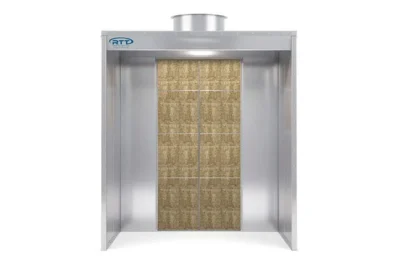
Open Front
- Industrial Paint Booths
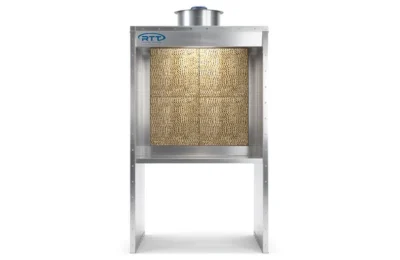
Open Front Bench
- Industrial Paint Booths
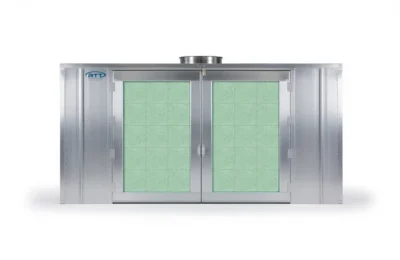
Enclosed
- Industrial Paint Booths
Industrial Exhaust Chamber
- Industrial Paint Booths
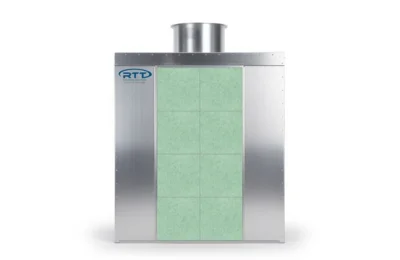
Batch Cure Chamber
- Ovens
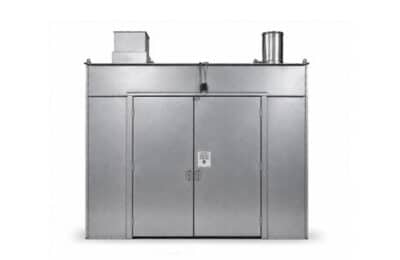
Industrial Paint Mixing Room
- Preparation Equipment
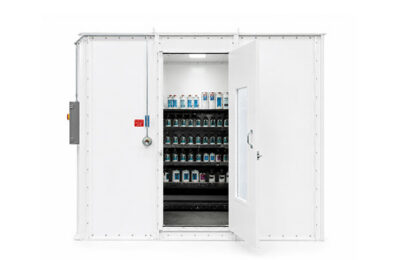
EZ Classic Crossdraft
- Automotive Paint Booths
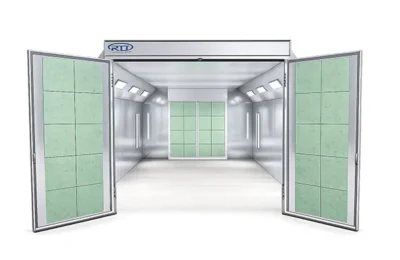
Finishing Prep Station
- Preparation Equipment
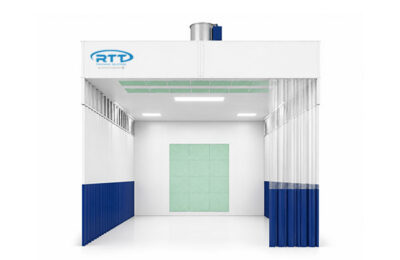
CT Series
- Air Makeup Units
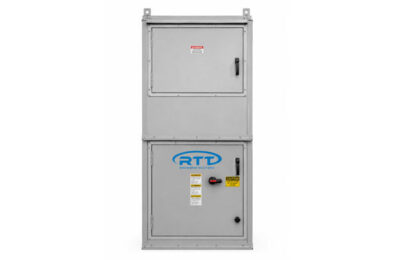
EZ Modified Downdraft
- Automotive Paint Booths
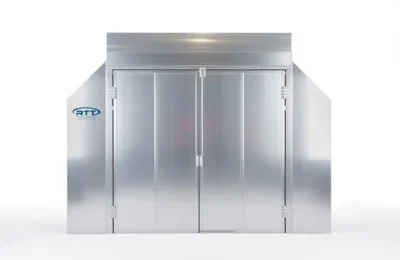
EZ Side Downdraft
- Automotive Paint Booths
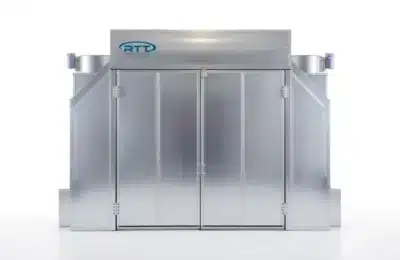
EZ Pit Downdraft
- Automotive Paint Booths
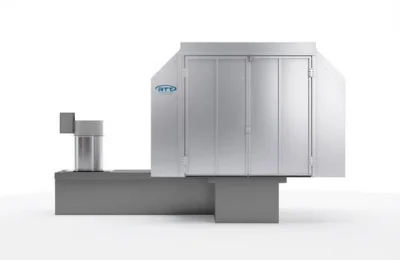
Batch
- Powder Coating Booths
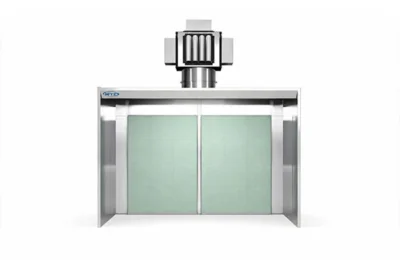
Cartridge Batch
- Powder Coating Booths
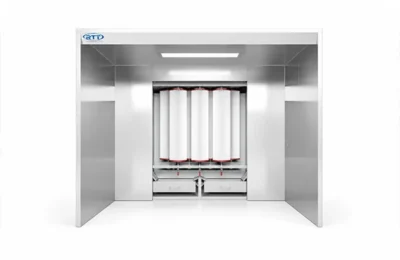
Pass Through
- Powder Coating Booths
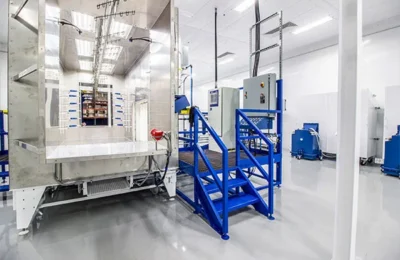
FilterLoc Paint Booth Seal
- Accessories
Ductwork
- Accessories
Filter Monitoring System
- Controls