
Side Downdraft Large Equipment Paint Booth
Downdraft Airflow for Large Equipment. No Pit Required.
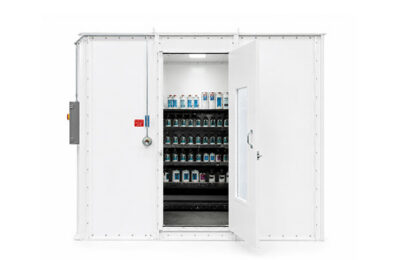
RTT Finishing Solutions’ Side Downdraft Large Equipment Paint Booths deliver downdraft airflow for large-scale industrial finishing across aviation, rail, marine, mining, trucking, wind energy, and heavy equipment markets – without the cost or structural requirements of a pit installation. Fresh air enters through ceiling filters drawn from the cleaner upper levels of the shop, travels downward through the spray zone, and exhausts at floor level through filter systems along both sides of the booth. This ceiling-to-side-floor airflow path removes harmful paint fumes and overspray consistently away from the operator throughout the finishing cycle. Standard interior widths run from 14 to 20 feet, heights from 12 to 20 feet, and lengths from 26 to 60 feet, in both solid back and drive-through configurations.
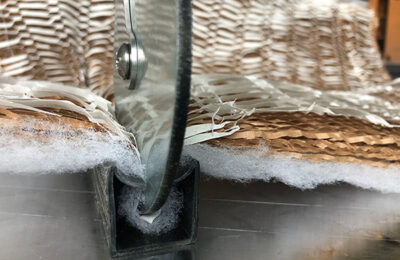
RTT offers Side Downdraft Large Equipment Paint Booths in three construction tiers to match the structural demands of the application. Standard duty uses a 10-gauge support structure. Heavy duty uses W6×9 structural steel. Xtreme duty uses I-beam construction with trusses for the most demanding environments. All three tiers use 18-gauge precision-punched prime-quality galvanized steel panels and support members for nut-and-bolt field assembly. FilterLoc™ Paint Booth Seal technology secures high-efficiency W-Series RP Paint Arrestor blanket filters with a tighter seal to the booth frame, eliminating overspray bypass and simplifying filter changeouts.
E-Light LED Lighting fixtures – available in 4,000 and 8,000 lumen models – provide code-compliant illumination rated Class 1 Division 2 (Groups A, B, C, D) and Class 2 Division 2 (Groups F and G), with no safety interlock required. RTT is the only paint booth manufacturer to offer a 5-year warranty. Custom sizes and configurations are available for applications outside the standard sizing range.
Features
- Side downdraft airflow: filtered ceiling intake draws fresh air from upper shop levels; filtered floor-level exhaust along both sides of the booth
- 18-gauge precision-punched prime-quality galvanized steel panel construction; nut-and-bolt assembly
- Three construction tiers: Standard duty (10-gauge support structure), Heavy duty (W6×9 structural steel), Xtreme duty (I-beam construction with trusses)
- High-efficiency W-Series RP Paint Arrestor blanket filters included standard
- FilterLoc filter retention technology seals filters to booth frame; eliminates overspray bypass
- Brand-name tubeaxial fans and motors
- 36″ wide personnel door: square tube frame, 18-gauge galvanized steel skin, observation window, field-adjustable slotted hinges (two-axis adjustment)
- Available in solid back, drive-through, or reverse flow configurations
- Available in pressurized, non-pressurized, and pre-filtered variants
- 5-year warranty
- Meets and exceeds all applicable OSHA and NFPA regulations
Benefits
- Achieve downdraft airflow without excavating a pit – the side-exhaust floor plenum replaces a recessed pit with a surface-mounted solution, lowering installation cost and facility impact.
- Remove harmful paint fumes and overspray consistently – ceiling-to-side-floor airflow draws contaminated air away from the operator and the product surface throughout the finishing cycle.
- Reduce prep time between jobs – efficient downdraft overspray control minimizes airborne contamination settling on surfaces inside the booth.
- Provide a healthier workplace environment – floor-level side exhaust removes solvent vapors at the lowest point of the booth, away from the breathing zone.
- Match the construction tier to the structural demands of your application – Standard (10-gauge), Heavy (W6×9 structural steel), and Xtreme (I-beam with trusses) duty options available without a custom design.
- Accommodate large equipment without custom engineering – standard widths to 20 feet, heights to 20 feet, and lengths to 60 feet cover most trucks, rail cars, aircraft components, and wind energy assemblies.
- Eliminate overspray bypass at the exhaust filter – FilterLoc technology seals W-Series RP Arrestor filters directly to the booth frame, preventing unfiltered air from escaping around the filter media.
- Meet NESHAP compliance requirements – 3-stage and NESHAP filtration options are available to meet applicable air quality regulations.
- Cover your booth with the industry’s only 5-year warranty.
Sizes & Specifications
RTT can design and build spray booths in a variety of sizes and configurations. Although our team can engineer a custom booth to fit your needs, below are standard sizes that are quickly available to you.
| Standard Duty Model Number |
Heavy Duty Model Number |
Interior Dimensions | Option Configuration |
Access Doors Qty |
Nominal Door Opening | |||||
|---|---|---|---|---|---|---|---|---|---|---|
| Width | Height | Length | Width | Height | Qty | Type | ||||
| SDS-16-16-26-N-SB | HDS-16-16-26-N-SB | 16' | 16' | 26' | Non-Pressurized (N) Solid Back (SB) | 1 | 11'4" | 13'10" | 1 | Solid |
| SDS-16-16-28-N-SB | HDS-16-16-28-N-SB | 16' | 16' | 28' | Non-Pressurized (N) Solid Back (SB) | 1 | 11'4" | 13'10" | 1 | Solid |
| SDS-16-16-30-N-SB | HDS-16-16-30-N-SB | 16' | 16' | 30' | Non-Pressurized (N) Solid Back (SB) | 1 | 11'4" | 13'10" | 1 | Solid |
| SDS-16-16-40-N-SB | HDS-16-16-40-N-SB | 16' | 16' | 40' | Non-Pressurized (N) Solid Back (SB) | 2 | 11'4" | 13'10" | 1 | Solid |
| SDS-16-16-50-N-SB | HDS-16-16-50-N-SB | 16' | 16' | 50' | Non-Pressurized (N) Solid Back (SB) | 3 | 11'4" | 13'10" | 1 | Solid |
| SDS-16-16-60-N-SB | HDS-16-16-60-N-SB | 16' | 16' | 60' | Non-Pressurized (N) Solid Back (SB) | 4 | 11'4" | 13'10" | 1 | Solid |
| Sizing Option Range | 14'–20'* | 12'–20'* | Standard length sizing illustrated above^ | |||||||
* Standard sizing of width and height are in increments of 2 ft. | ^ Standard length sizing is illustrated above. | Alternative Options: Pressurized (P), Pre-Filtered (PF).
Options & Configurations
- Construction tier: Standard duty (10-gauge support structure), Heavy duty (W6×9 structural steel), or Xtreme duty (I-beam construction with trusses)
- Filtration: 2-stage, 3-stage, or NESHAP filtration
- Configuration: Solid back, drive-through, or reverse flow
- Pressurized, non-pressurized, or pre-filtered plenum
- Roll-up, bi-fold, or tri-fold doors
- Air replacement units and intake chambers
- Conveyor and crane slots/openings
- Air solenoid valve interlocked to exhaust fan and spray equipment air supply
- Powder-coated white exterior finish (upgrade from standard galvanized)
- Control panel and electrical components (purchased separately – motor starters, multi-fan, VFD, touch screen, or PLC-based controls available; adds ETL-listed system certification)
- Custom height, width, and depth to meet site-specific requirements
Bright, Efficient Lighting – Included
Each booth includes E-Light LED lighting, offering:- Lower energy consumption
- True color rendering
- Extended life and reduced maintenance costs
LED housings are constructed of 22-gauge steel and powder-coated white. E-Lights are ETL listed for U.S. and Canada, rated Class 1 Division 2 (Groups A–D) and Class 2 Division 2 (Groups F & G).
RTT lighting is calculated and engineered using photometric software. E-Light fixtures are ETL listed and designed for proper use in spray booths. Because of this, our E-Light does not require a safety interlock saving on installation cost and additional maintenance.
Controls and Control Panels
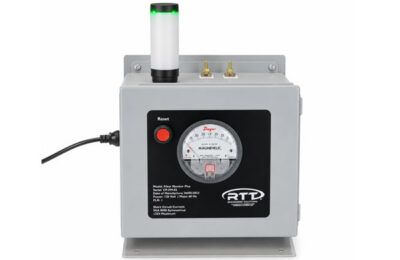
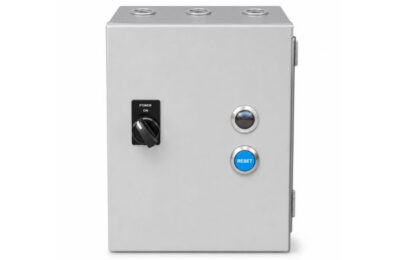
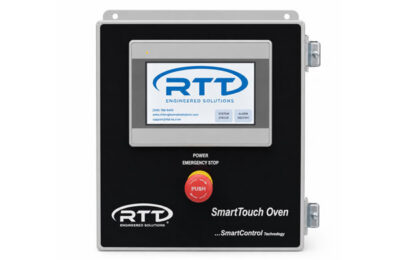
RTT offers pre-wired motor starters, UL-listed control panels, VFD controls, and optional touchscreens to simplify operation, fan speed adjustment, and booth balancing. All panels feature a single-point connection for quick and easy installation. In addition, we offer monitoring systems that allow you to optimize the performance of your finishing system.
Filter Monitoring System
- Controls
UL Listed Standard
- Control Panels
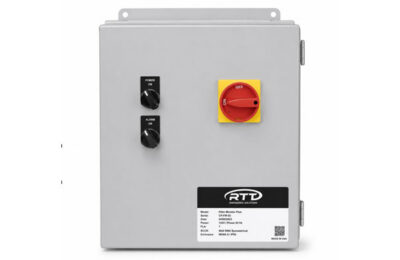
Magnetic Motor Starter
- Control Panels
SmartTouch Touchscreen
- Control Panels
Variable Frequency Drive
- Control Panels

Paint Booth Filters
RTT offers a wide range of replacement paint booth filters — built from virgin paper materials and stocked for fast lead times. Whatever your application or filtration efficiency requirement, we have a solution ready to ship.
3000 Standard
- 3XXX-Series RP Paint Arrestors
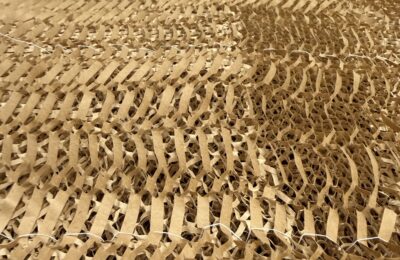
3100 Standard High Capacity
- 3XXX-Series RP Paint Arrestors
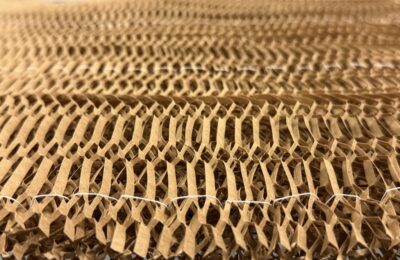
3200 Spra-Gard High Efficiency
- 3XXX-Series RP Paint Arrestors
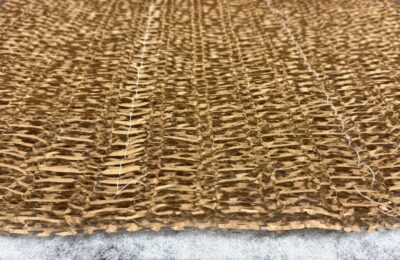
3300 Spra-Gard High Efficiency
- 3XXX-Series RP Paint Arrestors
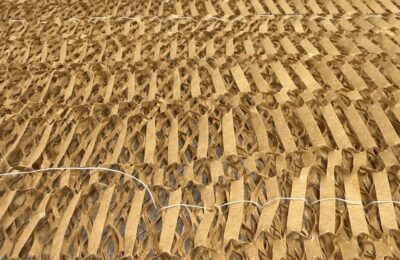
3400 Spra-Gard High Capacity High Efficiency
- 3XXX-Series RP Paint Arrestors
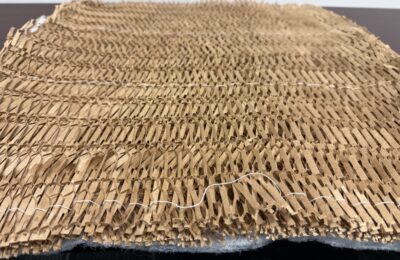
3600 Spra-Gard High Capacity High Efficiency
- 3XXX-Series RP Paint Arrestors
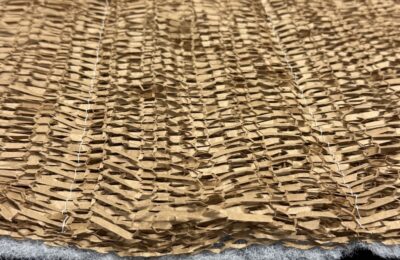
3700 Spra-Gard High Capacity High Efficiency
- 3XXX-Series RP Paint Arrestors
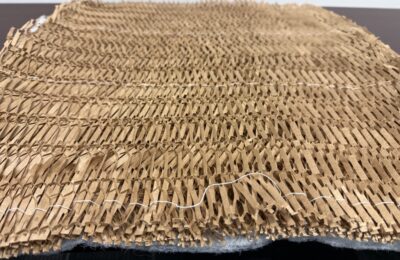
W-5000 High Efficiency
- W-Series RP Paint Arrestors
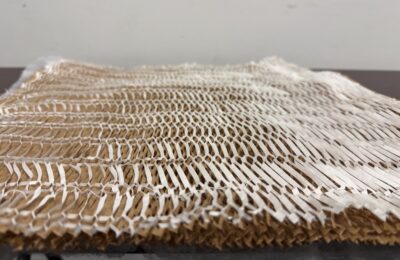
W-5100 Ultra Efficiency
- W-Series RP Paint Arrestors
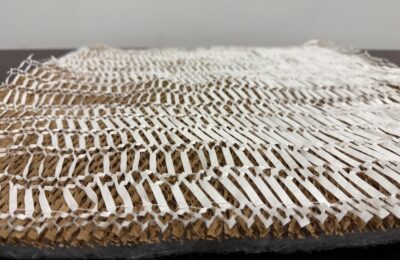
W-5200 High Capacity Ultra Efficiency
- W-Series RP Paint Arrestors
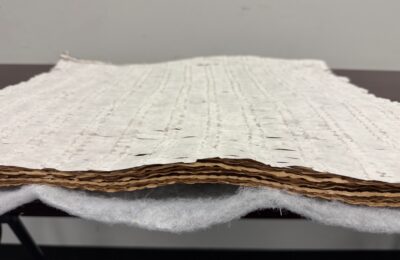
Services
RTT provides end-to-end services tailored to every phase of your project, so you never have to look further than one trusted partner.
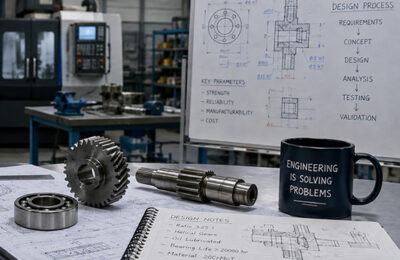
Custom Engineered Solutions
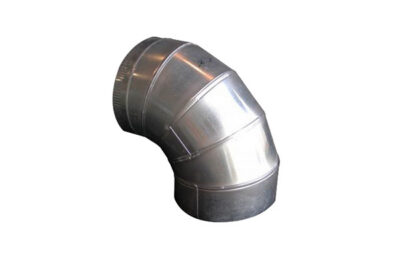
Ductwork
Installations
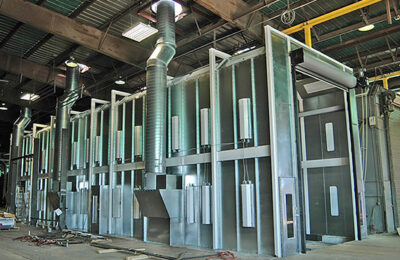
Maintenance
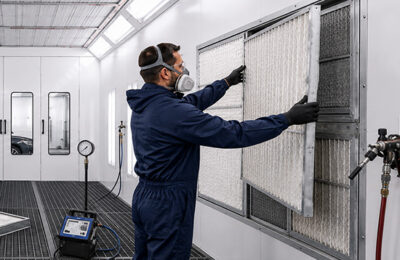
Product Training
Help and Support
Access the resources, documentation, and technical support information you need to keep your RTT equipment operating safely, efficiently, and at peak performance.
Product Literature
Extending the Life of Your Spray Booth
Frequently Asked Questions
When Should I Change the Filters on My Spray Booth?
When it comes to determining when to change your spray booth filters, first we must differentiate between intake filters and exhaust filters. Intake filters are located where the outside or shop air is introduced to the spray booth working environment. These filters work to ensure that the air introduced into the spray booth is free from debris, which can cause defects in your coatings. Exhaust filters are in separate locations, depending on the design and construction of your spray booth. The primary function of these filters is to capture overspray from the booth working environment and prevent harmful and hazardous particulates from being exhausted into the atmosphere by the booth exhaust fans. The function of both filter types is paramount to the spray booth functioning properly and ensuring the best possible coating finish. Spray booths are designed to meet National Standards, such as OSHA and the NFPA.
When filter maintenance is neglected, the performance of the spray booth will fall below the standards’ requirements. When the spray booth performs below the designed param¬eters, proper airflow will not be present and the likelihood of overspray or dust to accumulate on the coated part increases exponentially. Because there are many different filter constructions available, it is difficult to mandate a certain time interval for filter change outs. There are many other factors that play a part in the life span of the filters, including cleanliness of the surrounding environment, type of coating being sprayed, application styles and equipment used, spray booth air speed, spray booth design and construction and design of the filters can all affect the life of the filter. However, there are some key indicators that your filters are coming to the end of their effective life span:
Intake Filters:
• When an increase in debris or dust is noticed in the booth or in the coatings.
• If you have a manometer or Magnehelic gauge to measure pressure, drop through the filter, change at the suggested loading of the manufacturer.
• Filters have been installed for six months.
Exhaust Filters:
• When overspray is noticed to be lingering in the booth more than usual.
• The spray booth fan is operating at 100% capacity.
• If you have a manometer or Magnehelic gauge to measure pressure, drop through the filter, change at the suggested loading of the manufacturer.
• Applying a coating that is capable of spontaneous combustion or other harmful compounds.
• Filters have been installed for one month.
It is best practice to establish a filter maintenance program with the help of RTT Finishing Solutions. Improper filter maintenance can affect more than just the finished coating. It can also affect the health and safety of your employees as well as the profitability of your business.
Where Should the Temperature Sensor Be Located on My Spray Booth?
RTT recommends that the temperature probe be in the discharge ductwork of the Air Make-up Unit (AMU). The probe is to be located as far from the discharge location of the AMU as possible before entering the paint booth intake plenum. This configuration helps to avoid sharp spikes in temperature and will even out the ramp and soak time of the burner. Eliminating the possibility of an over-temperature situation inside the AMU. In rare instances, the temperature probe may be in the intake plenum of the spray booth. Please consult with RTT Technical Support before locating the temperature probe anywhere other than the AMU discharge ductwork.
Why Are My Spray Booth Doors Being Blown Open?
This is typically caused by excessive incoming gas pressure affecting system balance. When gas pressure exceeds regulator ratings:
• Airflow and burner output become unstable
• The system may create positive pressure inside the booth
• Doors can blow open due to improper pressure differential
Check the valve train regulator, system gas pressure, and follow the manufacturer’s recommended pressure ranges.
My Spray Booth and Oven Controls Require a Password to Change Settings - What Is It?
Operator passcode is 2050
Oven – All passcodes in the Oven Operation & Maintenance manual. Maintenance passcode is 1111
My Exhaust Fan Is Not Running Even Though My Booth Has Power — What Could Be Causing It?
There could be several issues that could cause your exhaust fan not to operate. If you have confirmed you have power, do you have a fault on your Variable Frequency Drive (VFD)? Check to see if there is a fault code displayed on the VFD. Depending on the make and model of your VFD these codes can differ.
Related Products
Enclosed
- Industrial Paint Booths
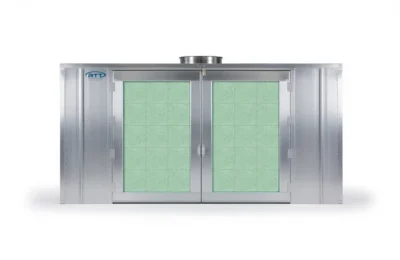
Industrial Paint Mixing Room
- Preparation Equipment
FilterLoc Paint Booth Seal
- Accessories
Filter Monitoring System
- Controls